
US-Israel Strikes on Iran Trigger Global Energy Crisis
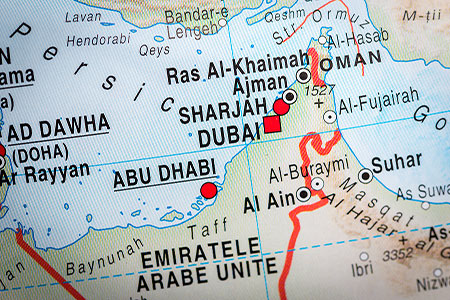
On February 28, the United States and Israel executed unexpected missile strikes on Iran, escalating tensions in the region and raising fears of a wider conflict. The attacks have particularly impacted the Strait of Hormuz, a crucial passage for global energy supplies, leading to significant disruptions in oil and liquefied natural gas (LNG) exports. As a result, global markets are experiencing sharp price fluctuations, with Brent crude oil prices surging and LNG shipments effectively halted.
Market Reactions and Supply Disruptions
Following the missile strikes, Brent crude oil prices soared over 8% in early trading on March 2, briefly surpassing $82 per barrel before settling around $78. West Texas Intermediate (WTI) crude was trading near $72. The situation has led to a near-complete halt of shipping through the Strait of Hormuz, which is responsible for a significant portion of the world’s oil and LNG exports. Since the strikes, LNG tanker movements have ceased, disrupting approximately 120 billion cubic meters per year of supply from Qatar and the UAE, a volume comparable to the gas Europe has lost from Russia since 2021.
In the petrochemical sector, China’s methanol futures rose by more than 6% due to concerns over Iranian supply, as Iran is the world’s second-largest methanol producer. Analysts from ICIS warn that if the disruption continues, Brent crude prices could approach or exceed $100 per barrel. The strikes coincided with ongoing nuclear negotiations in Geneva, further complicating the already volatile market landscape.
In a significant development, QatarEnergy has suspended LNG production at the world’s largest export facility, exacerbating the crisis. European gas prices have surged by 48% since the missile strikes, with the ICIS TTF front-month benchmark reaching $13.94 per MMBtu on March 2, marking a 26% increase from the previous close. The volatility continued as prices climbed an additional 20% amid trading uncertainty following the production halt.
Implications for Global Energy Supply
As of now, no LNG vessels have transited the Strait of Hormuz since February 28, effectively cutting off around 20% of global LNG supply. While there is no formal blockade, tankers remain anchored due to increased security and insurance risks, raising concerns about supply continuity. Oil markets are also feeling the impact, with Brent crude rising over 10%. However, prices have yet to reflect a complete structural supply shock, as the global oil market was previously well-supplied.
Although Europe imports a relatively small share of its LNG directly from Qatar, Asia’s dependence on this supply is much greater. This disparity is likely to heighten competition for flexible LNG cargoes, driving global prices even higher. With European storage levels at just 30% at the beginning of February, the continent faces increased vulnerability ahead of the summer refill season. If disruptions persist into the second quarter, further increases in gas and oil prices are anticipated, particularly if shipping disruptions and insurance constraints continue to limit supply flows.
