
USS John F. Kennedy Delivery Accelerated Amidst Accountability Push
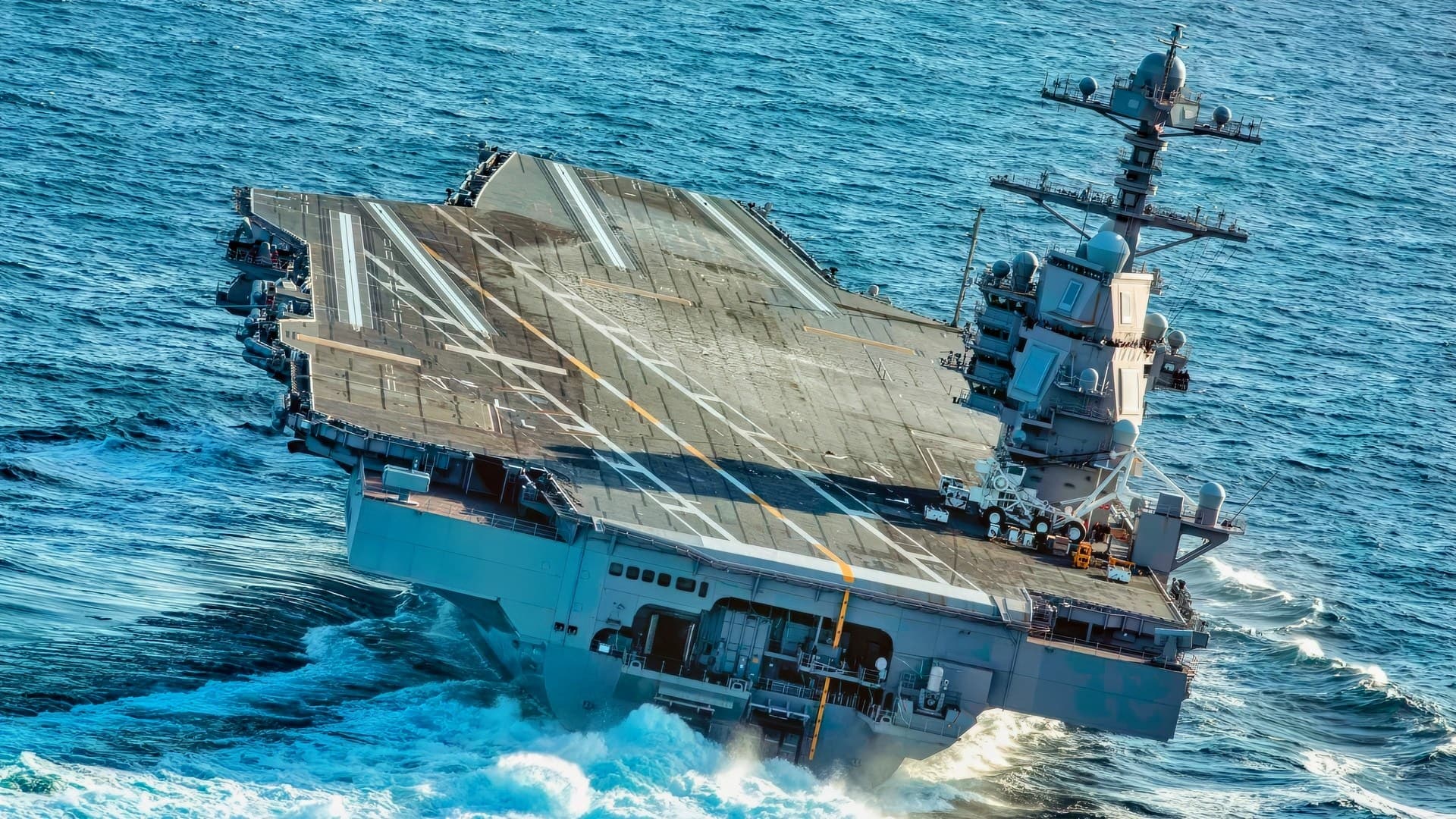
The U.S. Department of Defense has expedited the delivery timeline for the USS John F. Kennedy (CVN-79), now scheduled for March 2027. This decision follows a stern warning from Defense Secretary Pete Hegseth to Newport News Shipbuilding, emphasizing that further delays and cost overruns will not be tolerated. The announcement, made on January 6, 2026, comes in the wake of the USS Gerald R. Ford’s successful combat debut during Operation Absolute Resolve off the coast of Venezuela, which showcased the advanced technologies of the Ford-class carriers.
Hegseth’s visit to the shipbuilding yard in Virginia underscored the urgency of the situation. He made it clear that shipyard leadership must be held accountable for production timelines, stating that their jobs are “on the line” if they fail to meet expectations. This directive reflects the Trump administration’s commitment to resolving industrial bottlenecks and modernizing the Navy’s fleet swiftly. The accelerated construction of the USS John F. Kennedy is seen as a critical step in addressing the Navy’s operational needs and ensuring the effectiveness of its carrier fleet.
Ford-Class Carriers: From Challenges to Operational Necessity
The Ford-class carriers represent the first comprehensive redesign of U.S. nuclear-powered aircraft carriers since the Nimitz-class was introduced in the 1970s. While these ships are similar in size to their predecessors, they incorporate new systems aimed at enhancing sortie generation, reducing crew workload, and providing ample electrical power for future technologies. However, these advancements have not come without challenges. The lead ship, USS Gerald R. Ford, faced significant delays and cost overruns, entering service years late and approximately $2-3 billion over budget. Persistent issues with its electromagnetic aircraft launch system (EMALS), advanced arresting gear (AAG), and weapons elevators have drawn criticism from various oversight bodies.
Despite these setbacks, the Navy maintains that the Ford-class offers long-term advantages that cannot be achieved through incremental upgrades to the Nimitz fleet. The successful deployment of the USS Gerald R. Ford in real-world operations has validated this argument. During Operation Absolute Resolve, the carrier provided critical intelligence, surveillance, reconnaissance, and electronic warfare support, marking its first active combat use. This operational success has likely influenced the decision to fast-track the construction of additional Ford-class carriers, reinforcing the Navy’s commitment to modernizing its fleet.
Accountability and Future Production Goals
During Secretary Hegseth’s visit to Newport News Shipbuilding, he emphasized the need for accountability within the shipbuilding enterprise. He warned that delays and cost overruns would no longer be tolerated, and that the leadership’s performance would directly impact their jobs. Hegseth’s remarks were not only directed at the Ford-class program but also aimed at the broader U.S. shipbuilding industry, which is currently grappling with workforce shortages and aging infrastructure.
Carrier John F. Kennedy Delivery Delayed 2 Years, Fleet Will Drop to 10 Carriers
Huntington Ingalls Industries, the parent company of Newport News Shipbuilding, responded to Hegseth’s comments by highlighting recent investments in workforce hiring and facility expansion. They noted improvements in shipyard throughput over the past year, although challenges remain in meeting future production demands. The urgency of delivering the USS John F. Kennedy on time is seen as a litmus test for the American shipbuilding industry, determining whether it can meet the efficiency demands imposed by the current administration or if more drastic measures will be necessary to ensure the Navy’s operational readiness.
