
USS Thresher Disaster: A Legacy of Safety
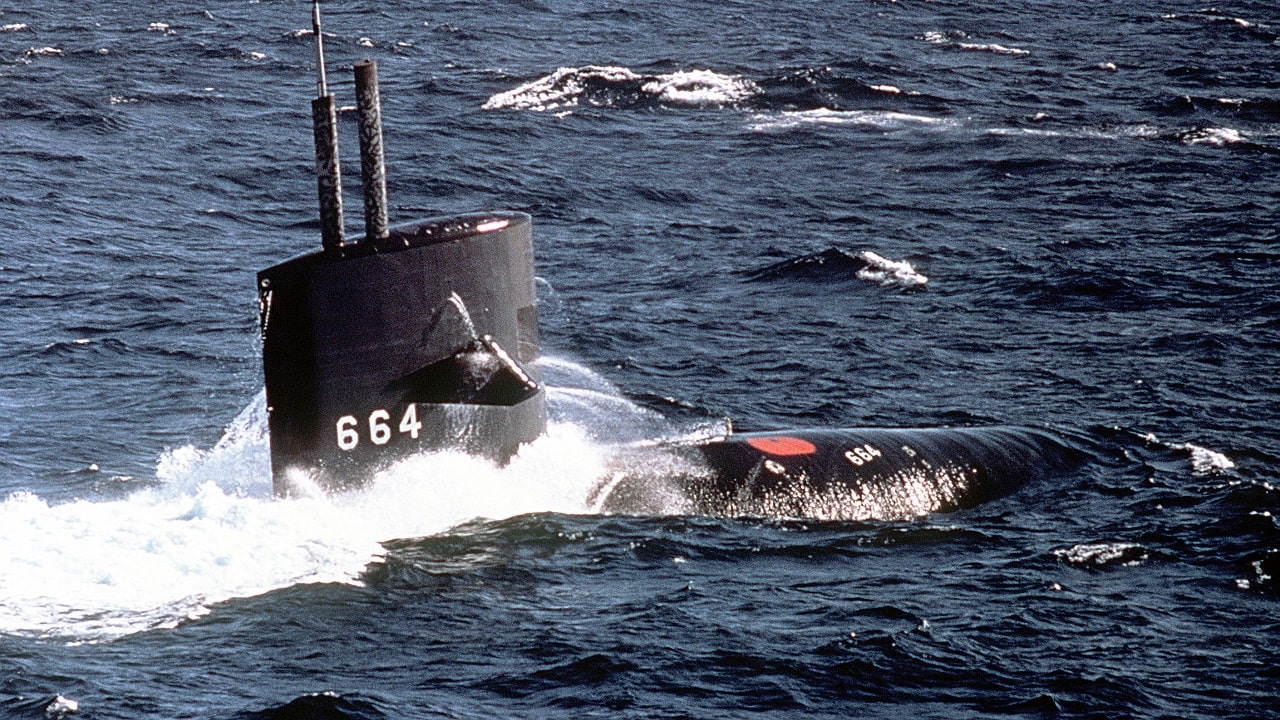
The sinking of the USS Thresher on April 10, 1963, during deep-dive trials off Cape Cod, remains a significant cautionary tale for the U.S. Navy. The submarine, which was lost with 129 crew members aboard, was later discovered shattered on the ocean floor. Investigators believe a seawater piping failure likely triggered a catastrophic series of events, leading to flooding and loss of power. This tragedy prompted the establishment of the SUBSAFE program, which has since ensured the safety of U.S. submarines.
U.S. Navy Submarine Disaster: What Happened
On that fateful day in April 1963, the USS Thresher sank approximately 220 miles east of Cape Cod, Massachusetts, during what was intended to be a routine deep-sea diving test. The submarine was the lead vessel of its class and represented cutting-edge technology in naval warfare. At the time of its sinking, 129 sailors and civilian personnel were on board.
During the dive, Thresher began to descend in a circular pattern, intermittently pausing to test its systems and maintain communication with the support ship Skylark. However, communications soon became garbled, with Skylark receiving incoherent messages from Thresher, including a faint reference to “900.” Shortly thereafter, all contact was lost.
An extensive search operation was launched, involving surface ships, submarines, and advanced deep-ocean search equipment. The vessel was eventually located by the Trieste bathyscaphe, an Italian deep-diving vessel known for its historic dives. Thresher was found at a depth of approximately 8,400 feet, with its remains scattered across a wide debris field.
Investigations concluded that the submarine likely descended past its crush depth after suffering uncontrollable flooding and a loss of power. The primary cause was determined to be a failure in a saltwater piping joint, which allowed rapid flooding under high pressure. This incident led to electrical failures, an emergency reactor shutdown, and ultimately, the loss of propulsion. While uncertainties remain regarding the exact sequence of events, the disaster highlighted critical vulnerabilities in submarine design and operation.
The SUBSAFE Program
In response to the Thresher tragedy, the U.S. Navy established the SUBSAFE program later in 1963. This rigorous certification and quality-assurance initiative was designed to prevent future flooding-related losses of submarines. SUBSAFE focuses on systems exposed to external sea pressure, enforcing strict standards for design, materials, fabrication, traceability, testing, and documentation.
Every submarine, whether newly built or undergoing major overhauls, must now be certified as SUBSAFE before it can dive. The implementation of this program has yielded significant results. Between 1915 and 1963, the U.S. Navy lost 16 submarines to non-combat accidents. Since the inception of SUBSAFE, no certified submarine has been lost, with the only exception being the USS Scorpion in 1968, which was not SUBSAFE-certified at the time.
Why Thresher Matters Today
The legacy of the Thresher disaster continues to resonate within the U.S. Navy, serving as a crucial reminder of the importance of safety culture, oversight, and proactive planning for potential failures. Modern submarines, including the Columbia-class and Virginia-class, incorporate advanced technologies that increase operational complexity. While these advancements enhance capabilities, they also introduce new risks.
The Thresher incident underscores the necessity for rigorous engineering decisions, thorough inspections, and a disciplined approach to planning. The lessons learned from this tragedy have reshaped the Navy’s approach to submarine safety, ensuring that the SUBSAFE program remains a vital component of naval operations for years to come.
As the Navy continues to develop more advanced submarines with enhanced capabilities, the lessons of the Thresher disaster are more relevant than ever, reminding officials of the critical need for safety and accountability in submarine operations.
