
Vancouver Explores E-Methanol as Future Shipping Fuel
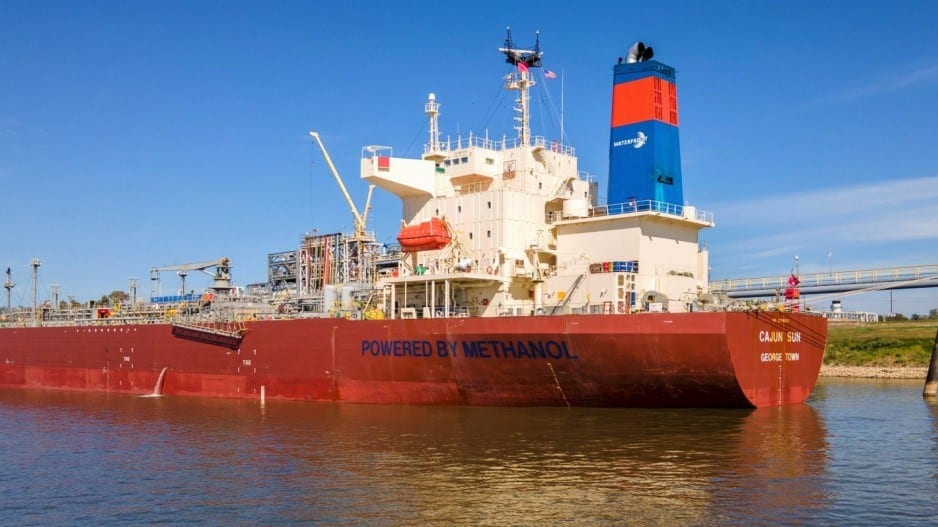
A recent report by Oceans North and engineering firm Arup highlights the potential for e-methanol production near the Canadian Port of Vancouver. Released on Monday, the study outlines a gradual development plan for e-methanol as a bunker fuel, projecting initial production to begin in the early 2030s. While the report does not specify a project site, it offers insights into the potential supply chain, production timelines, and infrastructure needs.
Projected Production and Demand
The study envisions a phased approach to e-methanol production, starting with an estimated output of 50,000 metric tons per year in the early 2030s. This production could increase to 200,000 metric tons annually by around 2040. At this capacity, the fuel could meet the needs of approximately ten methanol-fueled bulk carriers operating between North America and Asia, as well as two cruise ships on the Vancouver-Alaska route.
The report emphasizes the importance of establishing a robust supply chain to support this initiative. It outlines projected bunker fuel demand and the necessary infrastructure to facilitate the production and distribution of e-methanol. Although the study does not propose a specific project, it provides a comprehensive overview of what such a supply chain could entail over the coming decades.
New study suggests EU regulations will make economic case for methanol in shipping
Cost and Challenges of E-Methanol Production
The report estimates the levelised cost of e-methanol production at approximately $1,860 per metric ton. This figure considers capital expenditures (CAPEX), operational expenditures (OPEX), and the weighted average cost of capital (WACC). The total cost of constructing the e-methanol production facility is projected to be around $731 million USD.
E-methanol, produced using renewable electricity, green hydrogen, and captured CO2, has the potential to reduce emissions by 90-100% compared to traditional heavy fuel oil (HSFO). However, the study identifies significant challenges that must be addressed. These include the need for substantial amounts of renewable electricity and water, access to suitable industrial land near the port, and the current high costs of e-methanol compared to conventional bunker fuels.
The authors of the study stress that their findings aim to foster discussions about future fuel options rather than indicate a definitive development plan. They highlight the necessity for long-term offtake agreements and supportive policies to advance e-methanol beyond the conceptual stage.
