
Venezuela Deploys Naval Escorts Amid U.S. Blockade Threat
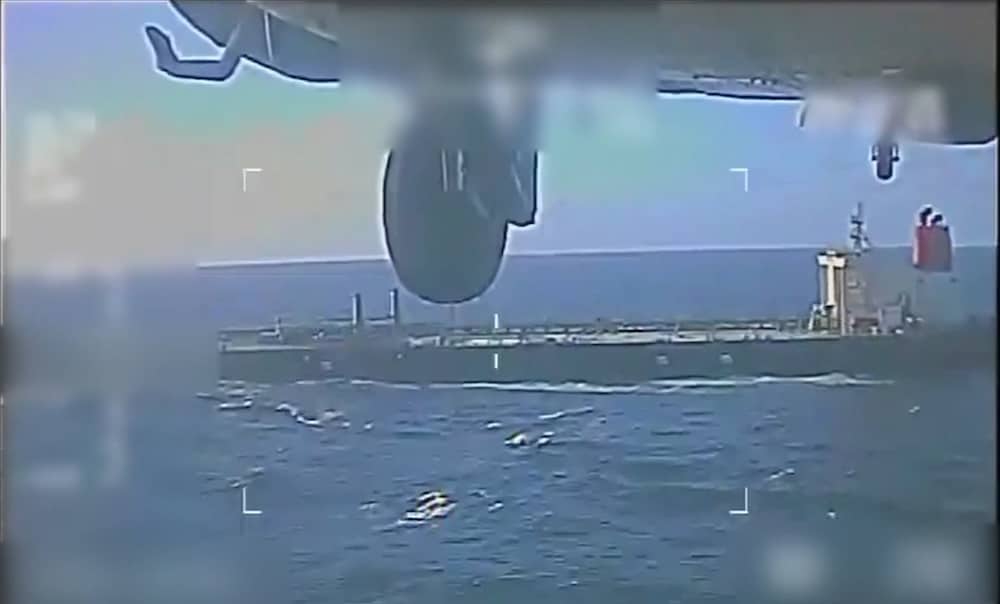
Venezuela has initiated the deployment of naval escorts for oil byproduct vessels leaving its ports, reflecting heightened maritime tensions after U.S. President Donald Trump threatened a “total and complete” blockade on sanctioned oil tankers. Reports indicate that Venezuelan ships carrying cargoes like urea and petroleum coke have begun their journeys under naval protection, amid growing concerns about the legality of these operations.
Escalating Maritime Tensions
According to The New York Times, Venezuelan vessels began sailing from Puerto José under naval escort between Tuesday evening and Wednesday morning. Ship-tracking data corroborates this activity, and a U.S. official has confirmed awareness of the naval operations, stating that various responses are being considered. The exact status of the escorted ships concerning U.S. sanctions remains unclear.
In a bid to minimize concerns, Venezuela’s state oil company, PDVSA, emphasized that its vessels operate with “full security, technical support, and operational guarantees” as part of their right to free navigation. This statement comes amid a backdrop of increased scrutiny following Trump’s blockade announcement, where he accused President Nicolás Maduro’s administration of utilizing oil revenues to support criminal activities, including drug trafficking and human rights abuses. Maduro denounced the blockade as illegal, warning it could lead to a “new Vietnam.” This diplomatic standoff escalated after U.S. forces seized the sanctioned tanker Skipper off the Venezuelan coast in December, which Caracas labeled as “international piracy.”
Complexities of the Sanctioned Fleet
Data from TankerTrackers.com reveals the intricate dynamics of Venezuela’s oil-exporting fleet under scrutiny. The firm identifies 75 vessels operating in Venezuela, with 38 specifically under U.S. sanctions. Of these, 26 tankers are deemed capable of exports, including 15 currently loaded with oil. The breakdown features various tanker sizes, including six Very Large Crude Carriers (VLCCs) and several Suezmax and Aframax tankers.
Interestingly, reports indicate that a Panama-flagged VLCC, which is U.S.-blacklisted, managed to enter Venezuelan waters while manipulating its Automatic Identification System (AIS) to conceal its actual location. This incident highlights the challenges of monitoring vessel movements in the region.
Maritime risk specialist Windward has also reported a significant uptick in high-risk tanker activity, noting over 130 vessel visits to the Caribbean within the past month. This surge includes 19 sanctioned vessels and numerous others operating under dubious flags. The firm observed a 95% year-on-year increase in such activities, indicating a potential shift in maritime operations.
Windward further highlighted growing ties between Russia and Venezuela, noting that Moscow now supplies diluent to PDVSA following the cessation of U.S. shipments. The volume of Russian naphtha imported by Venezuela has tripled compared to the entirety of 2024. The recent arrival of the Russian tanker Seahorse reinforces the evolving dynamics of this maritime landscape.
As the situation develops, experts caution that further escalations could lead to more sophisticated tactics for evading sanctions, including GNSS manipulation and ship-to-ship transfers, reminiscent of strategies employed by Iran. The sentiment from Windward encapsulates the growing urgency: “The dark fleet’s days of operating with impunity are numbered.”
