
Venezuela’s Oil Market Faces Turbulence Following Maduro’s Arrest
The recent arrest of former Venezuelan leader Nicolás Maduro has sent shockwaves through the global tanker markets. U.S. President Donald Trump announced that the United States will take control of up to 50 million barrels of sanctioned Venezuelan crude oil. This significant move could dramatically alter oil flows across the Atlantic Basin. Trump revealed that Venezuela’s interim authorities have agreed to transfer between 30 million and 50 million barrels of “high-quality, sanctioned oil” to the U.S., with the proceeds managed directly by the White House. Energy Secretary Chris Wright has been directed to act swiftly, with plans for the crude to be transported via floating storage and unloaded at U.S. ports.
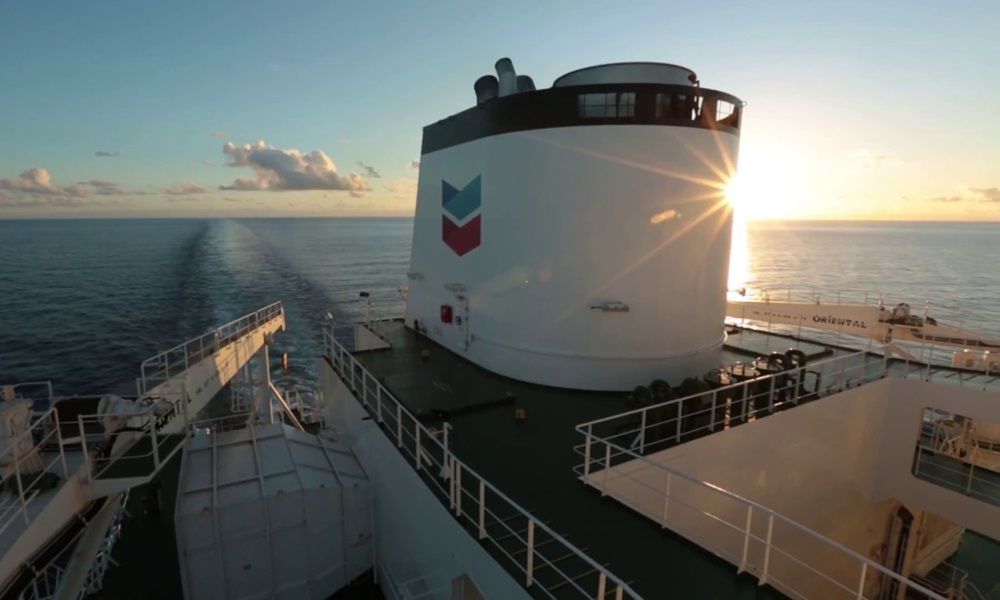
The implications of this announcement are profound, particularly as Chevron increases its operations in Venezuelan waters. The U.S. oil giant has chartered a small fleet of tankers, with at least 11 vessels scheduled to arrive at the Jose and Bajo Grande ports this month. Chevron, operating under a U.S. Treasury license, is currently the only Western company allowed to produce and export Venezuelan crude, accounting for approximately 25% of the country’s oil output. This surge in activity underscores the shifting dynamics in the region’s oil market.
Geopolitical Tensions and Shipping Logistics Intensify
As the U.S. ramps up its involvement in Venezuelan oil, geopolitical risks surrounding sanctioned shipping have escalated. Reports indicate that Russia has deployed naval assets to escort an oil tanker in the North Atlantic, which is under surveillance by U.S. forces. This vessel, previously involved in transporting Venezuelan crude, was reportedly sailing between Scotland and Iceland after changing its name and flag following a failed U.S. Coast Guard boarding attempt in the Caribbean. U.S. officials have expressed a preference for seizing sanctioned vessels, raising concerns about potential maritime confrontations between U.S. and Russian interests.
Brokers are already analyzing the potential impacts on the tanker market. According to Braemar, a complete redirection of Venezuelan exports—averaging around 800,000 barrels per day by 2025—toward U.S. Gulf refineries would significantly increase regional tonne-miles. Heavy sour Venezuelan crude is highly sought after by U.S. Gulf refiners aiming to optimize yields. Braemar estimates that aframax tonne-miles on the Venezuela-U.S. Gulf route could quadruple compared to last year’s averages, resulting in approximately 26 additional aframax voyages each month, in addition to the nine Venezuelan-loading voyages already associated with Chevron.
This increase in Venezuelan imports is expected to displace pipeline barrels from Canada, leading to longer-haul voyages to markets in India, China, and Europe. Such shifts would further bolster demand for aframax and potentially suezmax tankers.
Future Implications for Global Oil Supply Chains
The ripple effects of these developments will be felt most acutely in Asia. Previously, a significant volume of discounted Venezuelan crude—around 330,000 barrels per day—was directed to independent refiners in China’s Shandong province, with an additional 191,000 barrels per day supplied to state-owned refiners. However, with the U.S. taking control of Venezuelan exports, these refiners may face challenges in sourcing alternative supplies. Braemar notes that there are approximately 70 million barrels of Iranian, Russian, and Venezuelan crude currently in floating storage, much of which is already in East Asia.
Venezuela’s Maritime Landscape Faces Transformation Amid Rising Risks
Over time, Chinese state-owned refiners will need to replace about 200,000 barrels per day of Venezuelan crude. Potential alternatives include compliant imports from Iraq, such as Basrah Heavy, which could generate around three additional Very Large Crude Carrier (VLCC) voyages per month. Additionally, Canadian crude could be sourced from the U.S. West Coast on aframax tankers, potentially adding up to 10 China-bound voyages monthly as demand weakens following refinery closures.
Meanwhile, the displaced dark fleet tonnage is unlikely to remain idle. Of the 76 shadow VLCCs that transported Venezuelan crude in 2025, 44 remain unsanctioned and may shift to the Iranian trade, allowing Tehran to boost exports after a significant drop in volumes due to a shortage of available tonnage. The evolving landscape of the global oil market continues to present new challenges and opportunities for stakeholders across the industry.
