
Wall Street Faces Muted Open Amid Rising Treasury Yields
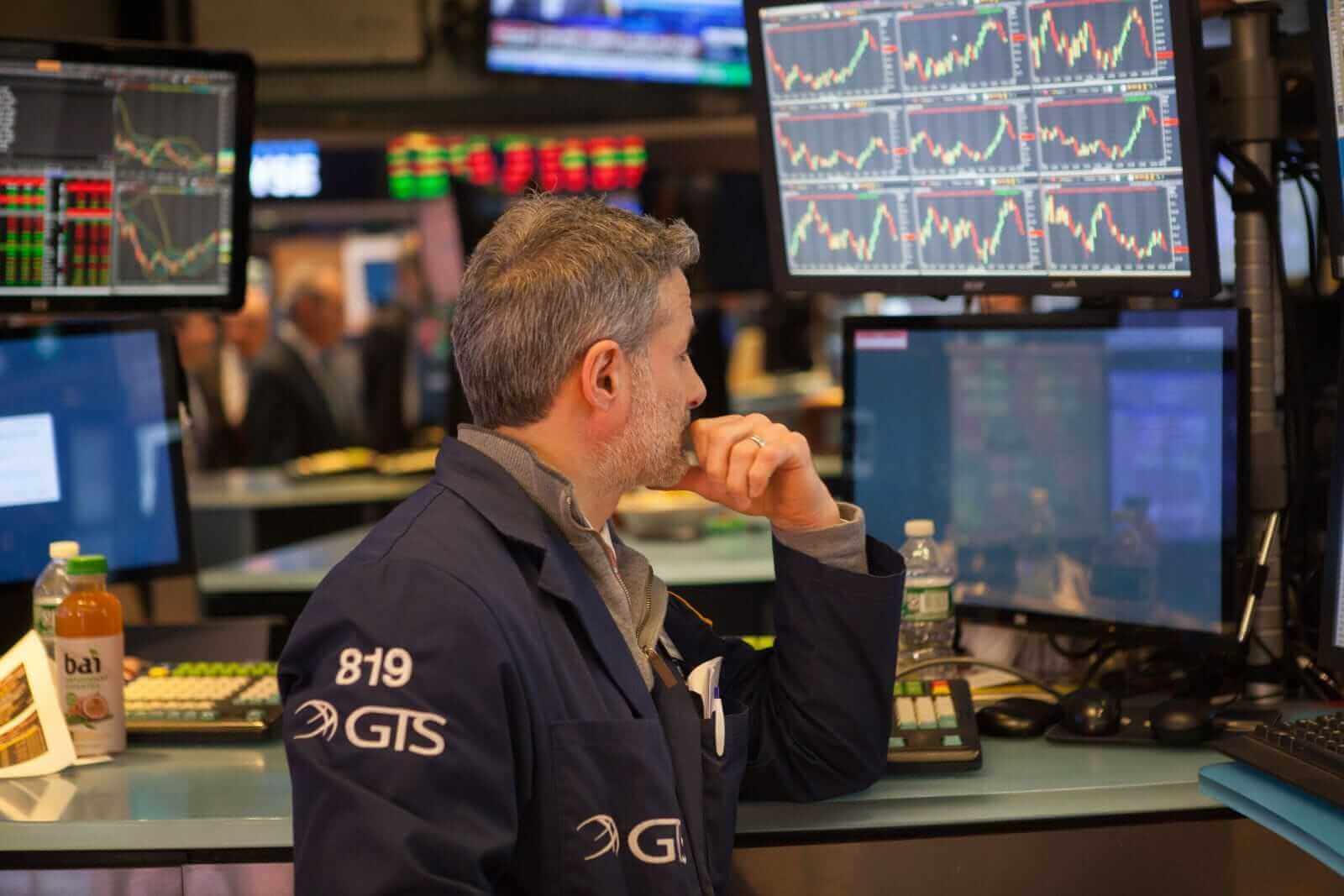
March S&P 500 E-Mini futures (ESH26) dipped by 0.03%, while March Nasdaq 100 E-Mini futures (NQH26) fell by 0.19% this morning, indicating a subdued start for Wall Street. The decline in futures comes as rising Treasury yields dampen investor enthusiasm. The yield on the 10-year Treasury note increased by three basis points to 4.24%, following a report from Bloomberg that Chinese regulators advised financial institutions to reduce their U.S. Treasury holdings due to concerns over concentration risks and market volatility. This uptick in Treasury yields also mirrored a rise in Japanese government bond yields, spurred by Prime Minister Sanae Takaichi’s recent electoral victory.
Investors are gearing up for a week filled with significant U.S. economic data, including monthly employment and inflation reports, comments from Federal Reserve officials, and earnings announcements from several high-profile companies. Last Friday, major equity indices on Wall Street closed sharply higher, with the Dow Jones Industrial Average reaching a new all-time high. Chip stocks surged after Nvidia CEO Jensen Huang highlighted strong demand for artificial intelligence, leading to notable gains for ARM Holdings and Nvidia. Conversely, Amazon.com saw a decline of over 5% after announcing plans to invest $200 billion in AI infrastructure.
Key Economic Indicators and Fed Commentary This Week
This week’s economic calendar is packed with crucial data that could influence market sentiment. The January jobs report, delayed due to a partial government shutdown, is set to be released on Wednesday. This report will include revisions to job growth estimates through March 2025, which are anticipated to show a significant slowdown in hiring. Additionally, the January Consumer Price Index (CPI) data will be published on Friday, providing further insights into inflation trends. Investors are particularly keen to see if inflation is on a downward trajectory, which could pave the way for future interest rate cuts.
Federal Reserve Vice Chair Philip Jefferson expressed cautious optimism regarding the U.S. economic outlook, suggesting that strong productivity growth could help bring inflation back to the central bank’s 2% target. He emphasized the Fed’s commitment to controlling inflation, indicating that the risk of a one-time shift leading to sustained inflation is low. Atlanta Fed President Raphael Bostic echoed this sentiment, stressing the importance of maintaining a restrictive monetary policy to combat entrenched inflation.
Market participants are also closely monitoring comments from various Fed officials throughout the week. Rate futures currently reflect an 84.2% probability of no rate change at the upcoming Fed meeting, with a 15.8% chance of a 25 basis point rate cut. As investors assess the potential for future rate adjustments, they will also be looking for insights from the ongoing fourth-quarter corporate earnings season, with reports expected from major companies such as Cisco Systems, McDonald’s, and Ford.
Overall, as Wall Street braces for a week of critical economic data and corporate earnings, the focus remains on how these factors will shape investor sentiment and market dynamics in the coming days.
