
West African Ports Face Stowaway Crisis Amid Rising Costs for Shipping Companies
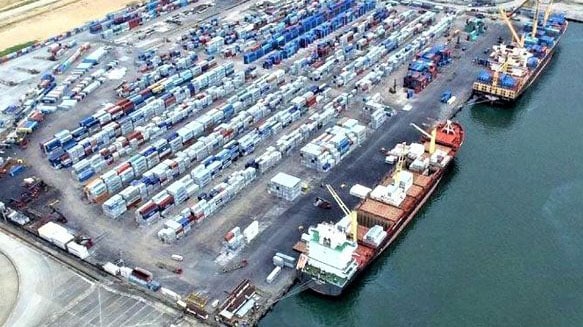
Port authorities in West Africa are increasingly imposing hefty fines and repatriation costs on shipping companies due to a surge in stowaway incidents. This trend has raised alarms as the region has been identified as a global hotspot for stowaway embarkations. According to data from the International Group of P&I Clubs (IGP&I) and the International Maritime Organisation’s (IMO) Global Integrated Shipping Information System (GISIS), African ports accounted for nearly 60% of all stowaway embarkations recorded between 2019 and 2023.
The types of vessels affected include bulk carriers, container ships, general cargo vessels, and car carriers. Stowaways often hide in hard-to-access areas such as empty containers, cargo holds, and even rudder compartments, making detection challenging for ship crews. The China P&I Club has reported that port authorities in most West African nations require shipowners to cover the full cost of repatriating stowaways. This includes fines, visa and ticket fees, escort personnel expenses, and medical treatment.
In many cases, port authorities demand prepayment of all related charges before allowing stowaways to disembark. If payments are not made, vessels may be detained, leading to further complications for shipping companies. The IGP&I has indicated that the average cost of a stowaway incident has escalated to nearly $30,000 per case, with about $10,000 attributed to each stowaway. Shipowners often face additional expenses that are not covered by P&I Clubs, including deductibles and other uninsured costs.
Significant Financial Burdens on Shipping Companies
A recent circular from the BUDD Group highlighted the financial implications for shipping companies operating in West Africa. For instance, the Ghana Ports and Harbours Authority (GPHA) imposes a $5,000 fine for disembarking a non-Ghanaian stowaway at Ghanaian ports. Additionally, the Ghana Immigration Service levies another $5,000 fine, resulting in a total penalty of $10,000 per stowaway. The financial burden increases significantly when multiple stowaways are involved, as costs for accommodation, security, and repatriation arrangements become more complex and risky.
In Gabon, a shipowner faced fines totaling $80,000 imposed by various authorities, including the Office of the Ports and Harbours Authority and immigration officials. The vessel was only permitted to sail after all repatriation costs were prepaid. In Nigeria, the Shipping Association of Nigeria (SAN) has criticized the imposition of a $2,000 fine for each stowaway found onboard by the Nigeria Immigration Service (NIS). SAN Chairman Boma Alabi described this policy as punitive and unfair, arguing that shipping companies are victims of ongoing security breaches at Nigerian ports.
Bulker Breaks Apart in Storms Causing Oil Spill off South Africa
Alabi noted that the stowaway issue has exacerbated frustrations for shipping lines, with approximately 15 ships docking in Nigeria each year and an average of three stowaways apprehended weekly. Data from Africa Risk Compliance (ARC) Limited further emphasizes the financial strain, estimating the average cost of managing stowaways in the Gulf of Guinea region at $17,100 per incident and $6,600 per stowaway. As the stowaway crisis continues to escalate, shipping companies in West Africa face mounting challenges and costs.
