
Western Australia Takes a Leap Towards Low-Carbon Future with WAH2 Blue Ammonia Plant
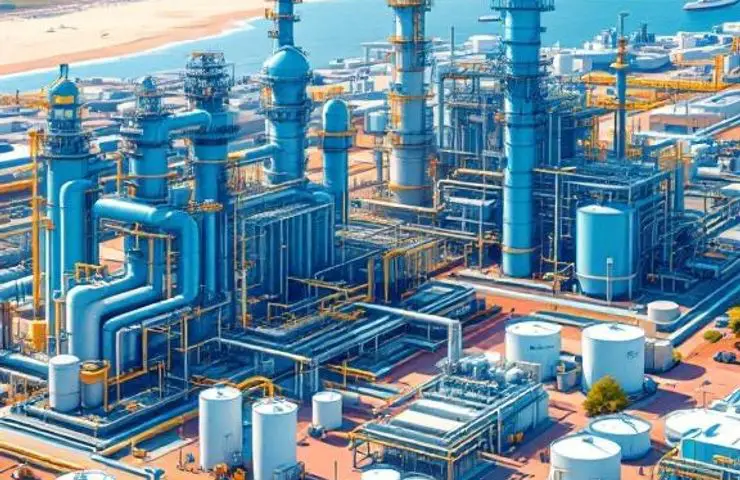
In a significant move towards sustainable energy, NH3 Clean Energy has appointed Linde Engineering to lead the engineering, procurement, and construction (EPC) design of its upcoming WAH2 blue ammonia plant in Western Australia. This facility aims to produce approximately 650,000 tonnes of clean ammonia annually from natural gas, incorporating integrated carbon capture technology. The initiative is part of Australia’s broader strategy to export greener commodities to Asia, marking a pivotal shift for a region historically known for fossil fuel production.
The collaboration between NH3 Clean Energy and Linde Engineering is designed to mitigate potential technological challenges and optimize capital investment. By leveraging Linde’s extensive experience in hydrogen production and gas processing, NH3 Clean Energy aims to streamline the project’s development. Linde will not only provide EPC services but is also exploring innovative business models, including build-own-operate (BOO) and operation & maintenance (O&M) frameworks. This approach could alleviate upfront costs for NH3 Clean Energy by allowing Linde to share financial responsibilities while managing critical components such as hydrogen trains and carbon dioxide pipelines.
Transforming the Pilbara: A Hub for Clean Energy
The Pilbara region, traditionally recognized for its iron ore and natural gas resources, is evolving into a center for industrial decarbonization. The existing infrastructure, including pipelines and the Port of Dampier, is being upgraded to facilitate the export of clean ammonia. NH3 Clean Energy has already secured a memorandum of understanding (MOU) with Pilbara Ports to ensure berth space and export capabilities for the new product. Additionally, discussions with the Australian Gas Infrastructure Group are underway to establish a CO₂ pipeline plan, utilizing local storage reservoirs to support blue hydrogen and ammonia production.
The process for producing blue ammonia involves reforming natural gas to generate hydrogen, which is then combined with nitrogen sourced from an air separation unit. A crucial aspect of this process is the capture and storage of CO₂ emissions underground. Linde Engineering brings significant expertise in air separation and cryogenic units, having previously contributed to major projects like Perdaman’s urea plant. Their role in the WAH2 project encompasses comprehensive EPC design, including process flow diagrams, catalyst selection, and optimization of ammonia production loops to meet emission targets.
Future Prospects and Economic Impact
The WAH2 project is poised to play a vital role in meeting the decarbonization goals of countries like Japan and South Korea, which are actively seeking low-carbon fuel sources. The facility’s strategic location at the Port of Dampier will facilitate direct shipping to these markets, with infrastructure in place for bulk carrier loading. The partnership with the Australian Gas Infrastructure Group to develop a CO₂ trunkline further enhances the project’s viability by ensuring safe emissions management while laying the groundwork for future hydrogen infrastructure in the region.
Beyond its environmental benefits, the WAH2 plant is expected to stimulate local economic growth by creating high-skill jobs in construction, operations, and pipeline management. This initiative aligns with Australia’s “Future Made in Australia” hydrogen strategy, which aims to foster low-carbon industries and boost exports. As NH3 Clean Energy engages with Asian utilities and industrial players to finalize offtake agreements, the success of the WAH2 project could serve as a model for similar ventures worldwide, contributing significantly to global decarbonization efforts.
As the project progresses, the focus will be on securing funding and contracts, with the potential for the WAH2 plant to commence operations by the end of the decade. If successful, it could redefine the role of blue ammonia in the energy landscape, serving as a bridge between current fossil fuel reliance and a future dominated by green hydrogen solutions.
