
Why it costs more to ship to SVG than to China
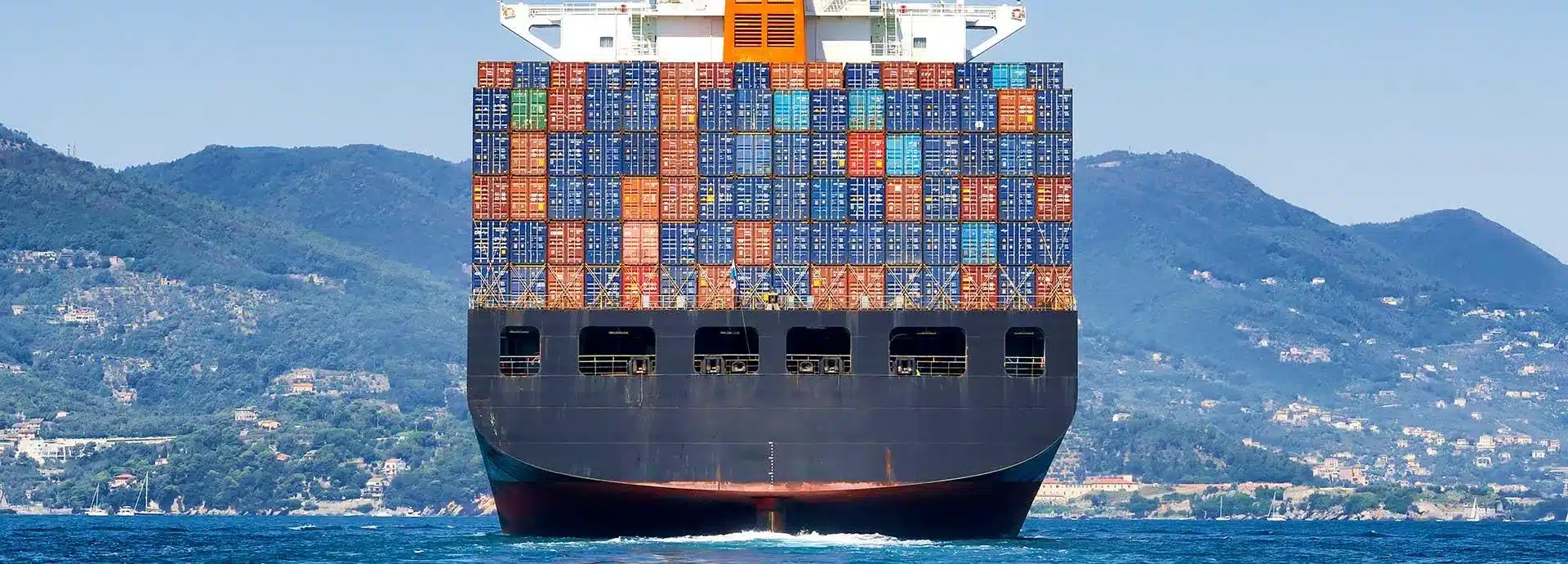
In a striking revelation from the Caribbean logistics sector, shipping costs defy conventional wisdom. According to the 2024 International Trade Outlook by the Economic Commission for Latin America and the Caribbean (ECLAC), it is more than twice as expensive to ship a 40-foot container from Miami to the Bahamas—just 144 kilometers away—than to transport the same container to Shanghai, China, which is 1,600 kilometers distant. This phenomenon, termed the “Caribbean Freight Paradox,” underscores a broader issue affecting ports throughout the region.
ECLAC’s findings indicate that shipping costs from Miami to various Caribbean destinations can be up to four times higher than sending containers to far-off ports in Argentina, Uruguay, or even China. This counterintuitive situation reveals that maritime freight pricing is influenced by factors beyond mere distance. Instead, it highlights systemic challenges within the Caribbean’s logistics framework that contribute to inflated shipping costs.
Underlying Issues in Caribbean Maritime Logistics
Several interconnected challenges are driving the high shipping costs in the Caribbean. One significant factor is the outdated port infrastructure, which struggles to accommodate modern, larger vessels. This limitation hampers the volume of cargo that can be efficiently moved, resulting in higher operational costs per container. Additionally, many Caribbean ports experience infrequent service, with some only receiving shipments weekly. This irregularity complicates cargo consolidation, particularly for perishable goods that require timely delivery.
The Liner Shipping Connectivity index further illustrates this issue, showing that Caribbean nations—excluding Jamaica and the Dominican Republic—rank significantly below regional averages in shipping connectivity. The market is also characterized by a concentration of a few major shipping lines, which diminishes competition. This lack of rivalry, combined with routes that often see vessels returning north empty, exacerbates the costs passed on to consumers.
These logistical inefficiencies have real-world implications. The Caribbean is now recognized as the most expensive region globally for maintaining a healthy diet, with the daily cost reaching $5.16. The freight paradox, rooted in infrastructure limitations and market dynamics, has long hindered economic growth and food security in the region.
The Switch to supply DC-Hub and unique protection devices for world’s largest marine battery system
Looking Ahead: The Barbados-Guyana Food Distribution Hub
Amid these challenges, a potential solution is emerging: the Barbados-Guyana regional food distribution hub. This critical infrastructure project is currently under construction and is expected to be completed by 2026. The hub aims to streamline logistics and improve food distribution across the Caribbean, potentially alleviating some of the burdens associated with high shipping costs.
As the region grapples with the complexities of its freight paradox, the success of this new hub could play a pivotal role in enhancing food security for millions. Whether this initiative will effectively address the underlying issues remains to be seen, but it represents a significant step toward improving the economic landscape of the Caribbean.
