
WinGD Achieves Milestone with Ammonia-Fueled X-DF-A Engine
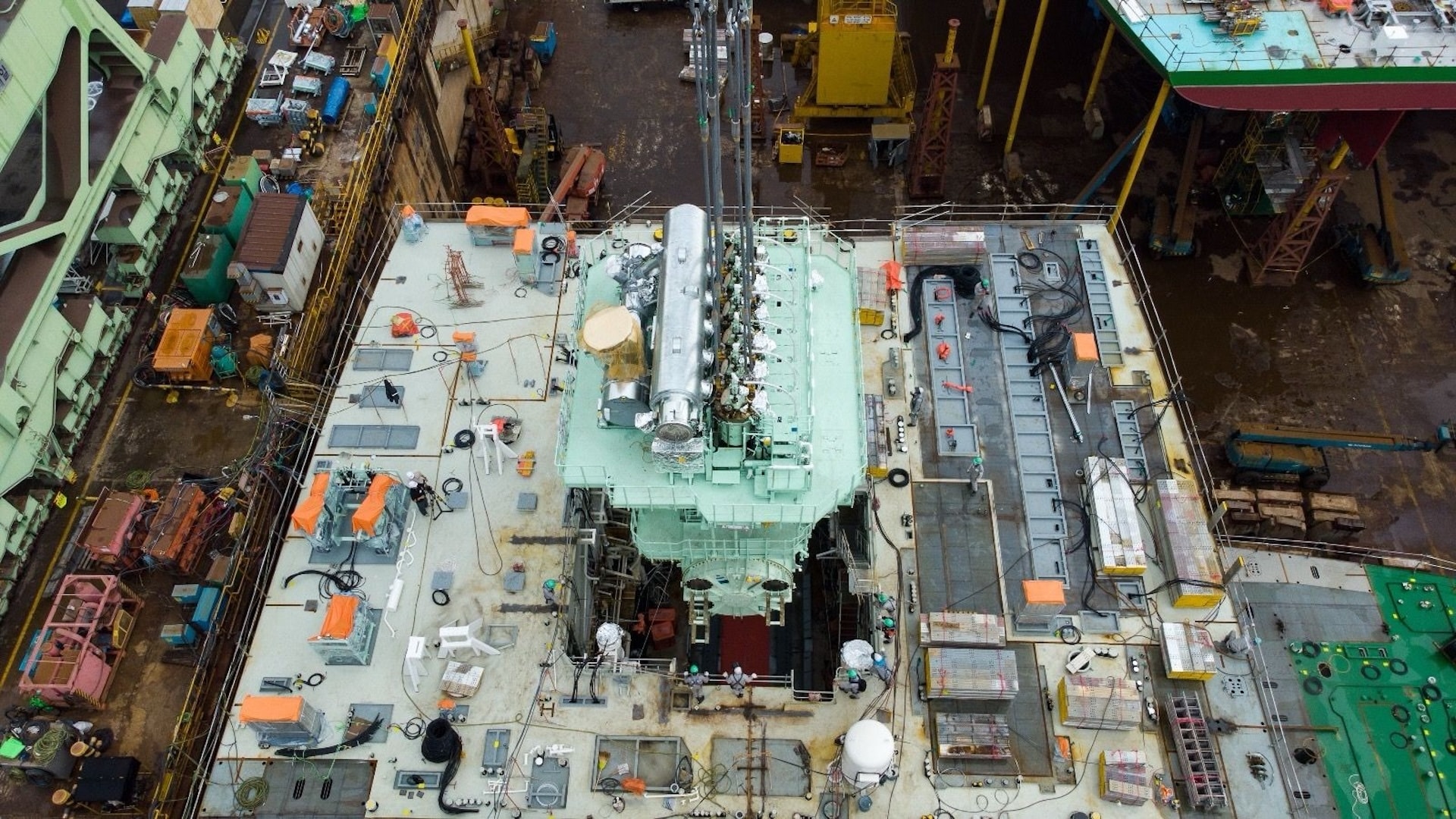
Swiss marine power company WinGD has reached a significant milestone with its ammonia-fueled X-DF-A engine, marking a world-first achievement. The company announced that its two-stroke marine engine has successfully completed both Type Approval Testing (TAT) and Factory Acceptance Testing (FAT). This breakthrough is pivotal as ammonia, when produced using renewable energy, can reduce greenhouse gas emissions by up to 90% compared to traditional fuels, making it a promising alternative for the maritime industry.
The X-DF-A Engine’s Multi-Year Testing Process
WinGD confirmed that both TAT and FAT were finalized last month at the HD Hyundai Heavy Industries’ Engine & Machinery (HHI-EMD) facility in South Korea. The testing focused on the X-DF-A 1.0 engine, which is designed for a 46,000m³ LPG/ammonia carrier operated by Belgian shipping company EXMAR. This vessel will be among the first ammonia-fueled gas carriers to enter commercial service, highlighting a significant step forward in sustainable shipping.
The testing process was meticulously supervised by representatives from Lloyd’s Register (LR) and other major classification societies, ensuring rigorous standards were met. WinGD reported that the X-DF-A engine exhibited excellent performance throughout its extensive testing phase. The company has already secured 30 orders for this innovative engine, with customers spanning various vessel segments, including gas and bulk carriers, tankers, and container ships.
WinGD expands X-DF-A segment reach with AET’s first ammonia aframax order
Sotiris Topaloglou, Global Head of Testing & Validation at WinGD, emphasized the importance of these results, stating that they demonstrate ammonia propulsion’s capability to meet the industry’s highest standards for reliability, performance, and safety. This achievement not only underscores the potential of ammonia as a marine fuel but also positions WinGD as a leader in the transition to cleaner energy solutions.
Green Ammonia to Decarbonize the Shipping Industry
Decarbonizing the shipping industry is crucial in the fight against climate change, as the sector contributes nearly 3% of global greenhouse gas emissions. Scientists have identified ammonia as a viable solution, as its combustion produces no carbon dioxide. Additionally, ammonia is more energy-dense than hydrogen and requires less storage space, making it an attractive option for future shipping fuels. Recent projections suggest that ammonia could account for nearly 50% of shipping fuel by 2050.
Sebastian Hensel, VP of Research and Development at WinGD, highlighted the critical role of green ammonia in the decarbonization efforts within the shipping industry. He stated, “With such convincing results, it is clear that ammonia fuel has a vital role to play in the decarbonization of our industry.” Hensel also acknowledged the collaboration with pioneering partners like EXMAR as essential in bringing this technology to market. WinGD is committed to leading the clean-energy transition, providing innovative propulsion solutions that align with the industry’s sustainability goals.
