
UK Launches Maritime Nuclear Consortium to Decarbonise Shipping
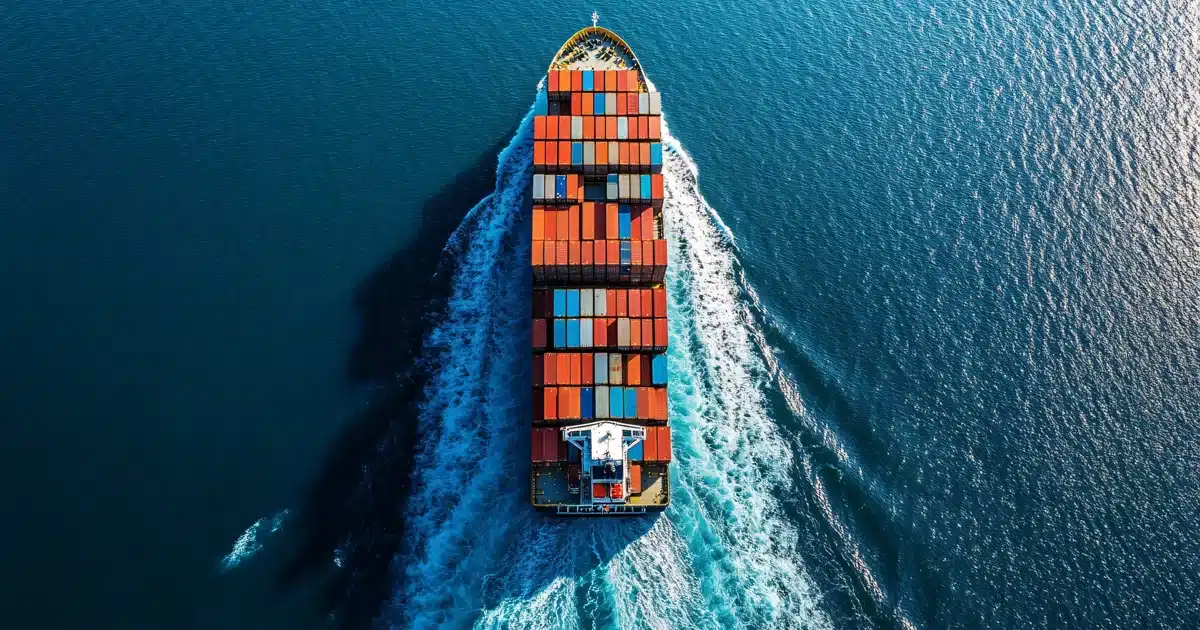
The United Kingdom has made a significant move towards becoming a leader in the global decarbonisation of shipping with the establishment of the Maritime Nuclear Consortium. Convened by Lloyd’s Register (LR), this groundbreaking initiative brings together experts from various sectors, including nuclear, maritime, insurance, and regulatory fields. The primary goal of the consortium is to establish the highest international standards for the development and operation of safe, secure, and commercially viable nuclear-powered vessels.
Maritime nuclear power is recognized as a highly effective solution to one of the most pressing challenges in the energy transition. The next generation of advanced modular reactors (AMRs) is expected to enable ships to operate for extended periods without the need for refuelling, all while producing zero carbon emissions. This advancement means that vessels can maintain their maximum operational speeds without sacrificing efficiency for emissions standards.
The core members of the consortium include prominent organizations such as Lloyd’s Register, Rolls-Royce, Babcock International Group, Global Nuclear Security Partners, Stephenson Harwood, and NorthStandard. Each member brings unique expertise to the table, ensuring a comprehensive approach to developing maritime nuclear technologies.
The Consortium’s Objectives and Significance
The UK has long been at the forefront of maritime innovation, and the formation of the Maritime Nuclear Consortium reinforces its position to safely adopt nuclear power in shipping. With decades of experience in naval nuclear programs, trusted regulatory frameworks, and world-class engineering capabilities, the UK is uniquely positioned to shape international standards in this emerging field.
However, the time to act is critical. Other nations are swiftly advancing their own nuclear standards and technologies. Without a coordinated effort, the UK risks losing its chance to establish regulations, create high-skilled jobs, and secure a share of a global supply chain that could be dominated by faster-moving competitors.
By taking decisive action now, the UK can achieve a first-mover advantage, ensuring that the standards, employment opportunities, and supply chains are developed domestically. The consortium’s initial objectives include demonstrating a Statement of Design Acceptability (SODA) for a generic, site-licensed advanced modular reactor and developing a class certification framework that merges nuclear and maritime regulations. Additionally, they aim to establish security and safeguards architecture, insurability pathways for nuclear vessels, and publish guidance to facilitate the safe adoption of this technology.
The consortium’s members express optimism about the potential for nuclear power to revolutionize shipping while contributing to broader decarbonisation efforts. According to Nick Brown, CEO of Lloyd’s Register, nuclear energy can fulfill the urgent demand for cleaner power and create lasting jobs within the UK. Meanwhile, Rolls-Royce’s Jake Thompson emphasizes the critical nature of this multi-sector collaboration for future international standards in nuclear shipping.
NYK Receives Contract to Conduct Study on Marine Transportation of Liquefied CO2
As the consortium progresses, it aims to adapt proven naval nuclear reactor technology for commercial use, positioning the UK as a key player in the maritime nuclear sector and supporting the goal of a net-zero ocean economy.
