
Wärtsilä Tackles Methane Slip in Marine Vessels
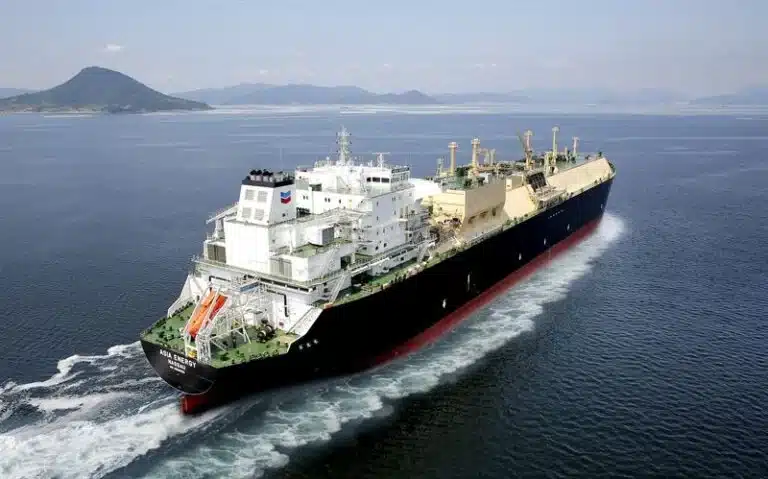
Methane slip, the unburned methane gas released from marine vessels using liquefied natural gas (LNG), poses a significant challenge as emissions regulations tighten globally. Wärtsilä, a leader in marine technology, is at the forefront of addressing this issue with innovative solutions aimed at reducing methane emissions to unprecedented low levels. As the maritime industry seeks to comply with stricter environmental standards, understanding and mitigating methane slip has become increasingly critical.
Measuring and Managing Methane Slip
Accurate measurement of methane slip is essential for compliance and environmental reporting. The International Maritime Organization (IMO) has established guidelines (MEPC.402(83)) that recommend using a portable or fixed flame ionisation detector (FID) with a non-methane cutter (NMC) for reliable methane measurements. This method effectively distinguishes methane from other hydrocarbons in a vessel’s exhaust, making it suitable for both onboard testing and laboratory research.
While alternative methods like Fourier transformation infrared (FTIR) spectroscopy and non-dispersive infrared (NDIR) sensors can be employed, they must be validated against the FID+NMC method to ensure accuracy. Research and testing often utilize laser-based sensors for high-precision applications and gas chromatography for verification purposes. However, measuring methane slip can be particularly challenging during transient operations, such as bunkering and port maneuvers, due to fluctuations in engine load and exhaust composition.
To address these challenges, the EU has introduced guidelines for reporting methane slip emissions from marine diesel engines, aligning with the FuelEU Maritime regulation. Wärtsilä actively collaborates with research institutions and regulatory bodies to develop standardized measurement protocols, ensuring reliable data collection and reporting practices.
Innovative Solutions to Reduce Methane Slip
Wärtsilä offers a range of solutions designed to minimize methane slip in both new and existing vessels. Their advanced engine technologies are compatible with both fossil LNG and bioLNG, allowing for optimized combustion processes that significantly reduce methane emissions. For existing vessels, Wärtsilä provides retrofit options that can achieve methane slip reductions of up to 75%. This includes the Spark Gas (SG) conversion for Wärtsilä 50DF engines, which transforms dual-fuel engines to spark-ignited gas operation, resulting in substantial fuel savings and lower emissions.
For new builds, Wärtsilä’s NextDF technology has been integrated into various engine models, such as the Wärtsilä 25DF and 31DF, achieving methane slip levels as low as 0.9% of fuel use—well below the 3.1% default value set by the FuelEU Maritime regulation. Additionally, the EnviroPac feature for Wärtsilä 34DF engines has been adopted by major shipping companies, further demonstrating the effectiveness of these solutions.
To tackle methane slip during low engine loads, particularly in port operations, Wärtsilä’s hybrid propulsion systems allow engines to operate at optimal efficiency. By utilizing battery energy storage during maneuvers, vessels can significantly reduce both fuel consumption and methane emissions. This innovative approach is already in practice on vessels like Wasaline’s Aurora Botnia ferry.
As the maritime industry continues to navigate the complexities of emissions regulations, Wärtsilä remains committed to providing effective solutions that not only enhance operational efficiency but also contribute to a more sustainable future for marine transportation.
