
India-EU Trade Deal Transforms Global Shipping
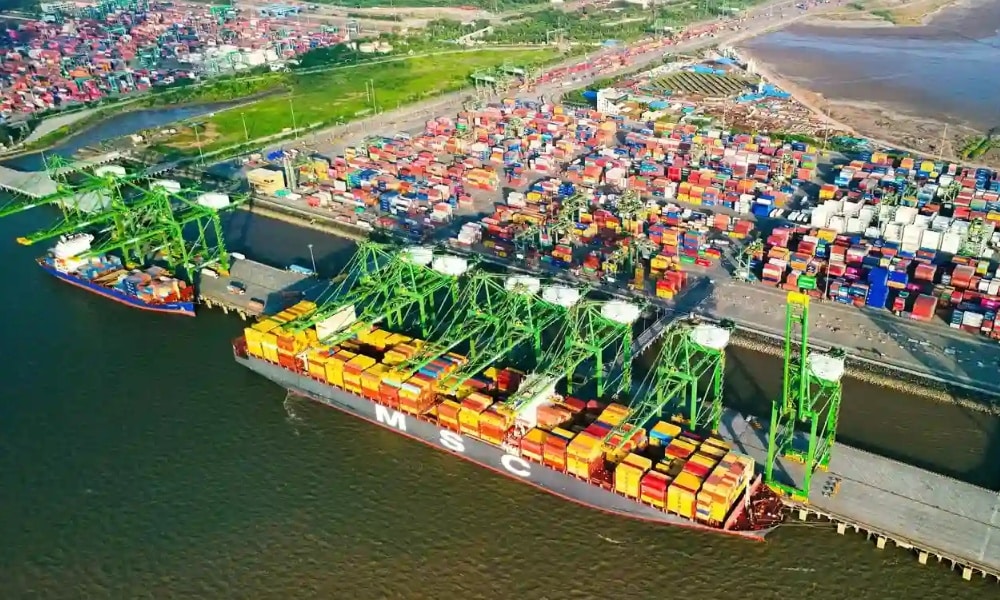
The recently announced India-EU trade agreement, dubbed the “Mother of all FTAs,” is more than just a tariff-reducing measure; it promises to revolutionize the operational landscape for shipping companies worldwide. By implementing stringent environmental standards and digital tracking requirements, the deal compels maritime leaders to innovate their business practices. Those who successfully leverage advanced technologies will not only streamline operations but also enhance their reputation and resilience in a competitive market.
Revolutionizing Business Operations
This trade agreement distinguishes itself from previous deals by intertwining business operations with environmental sustainability and digital advancements. Shipping companies that comply with the new sustainability and digital reporting mandates will find themselves in a prime position to meet the evolving expectations of customers, investors, and regulators. Embracing advanced technology for fleet management and route planning is critical for reducing emissions and operational costs, enabling firms to respond more adeptly to market demands.
Moreover, companies are encouraged to embed environmental standards into their core business strategies, extending beyond mere regulatory compliance. The agreement seeks to foster trust and enhance reputation by ensuring that companies can transparently showcase their adherence to new requirements through digital tracking. Collaborating with technology experts, sustainability consultants, and regulatory bodies will be essential for navigating the complexities of these new rules and identifying growth opportunities.
Fostering a culture of innovation by investing in workforce development and exploring novel operational methods will be crucial for long-term success. With the convergence of the India-EU trade deal and technological advancements, a new era is emerging where sustainability, digitalization, and profitability coexist. Shipping leaders who harness technology to transform environmental initiatives into competitive advantages will be well-positioned for success in a rapidly changing landscape.
Challenges and Opportunities Ahead
Despite the numerous benefits, the agreement presents challenges, particularly for Indian exporters. A report by former Indian Trade Service officer Ajay Srivastava highlights potential obstacles, such as the EU’s Carbon Border Adjustment Mechanism (CBAM) and strict digital reporting requirements, which may compel Indian exporters to reduce prices by 15-22% to remain competitive. There are also high registration costs for chemicals and medical devices, alongside stringent sanitary and phytosanitary standards that could result in shipment rejections due to compliance issues.
Green Shipping Fleet Growing as More Newbuilding Orders Were Placed in 2024
Additionally, sensitive agricultural products like dairy, sugar, rice, and ethanol are largely excluded from the deal, limiting the potential benefits for these sectors. Nevertheless, the India-EU FTA presents substantial opportunities for adaptable and innovative shipping companies. Those who can navigate the regulatory landscape effectively will enhance their resilience and agility, positioning themselves for growth as the agreement is expected to double EU exports to India by 2032.
Indian ports, including Jawaharlal Nehru Port (JNPT), Mundra, and Pipavav, are strategically poised to capture increased volumes destined for Europe. Conversely, European hubs such as Rotterdam, Antwerp, Hamburg, Piraeus, and Valencia will benefit from the influx of goods, fundamentally reshaping trade routes. Governments and industry stakeholders are mobilizing support for affected sectors through initiatives like innovation hubs and policy interventions, ensuring a smoother transition into this new trade era. As European Commission President Ursula von der Leyen noted, “We have created a free trade zone of two billion people, with both sides set to benefit,” signaling a transformative shift in maritime leadership for the years to come.
