
Korean Firms Reassess Middle East Expansion Amid Rising Tensions
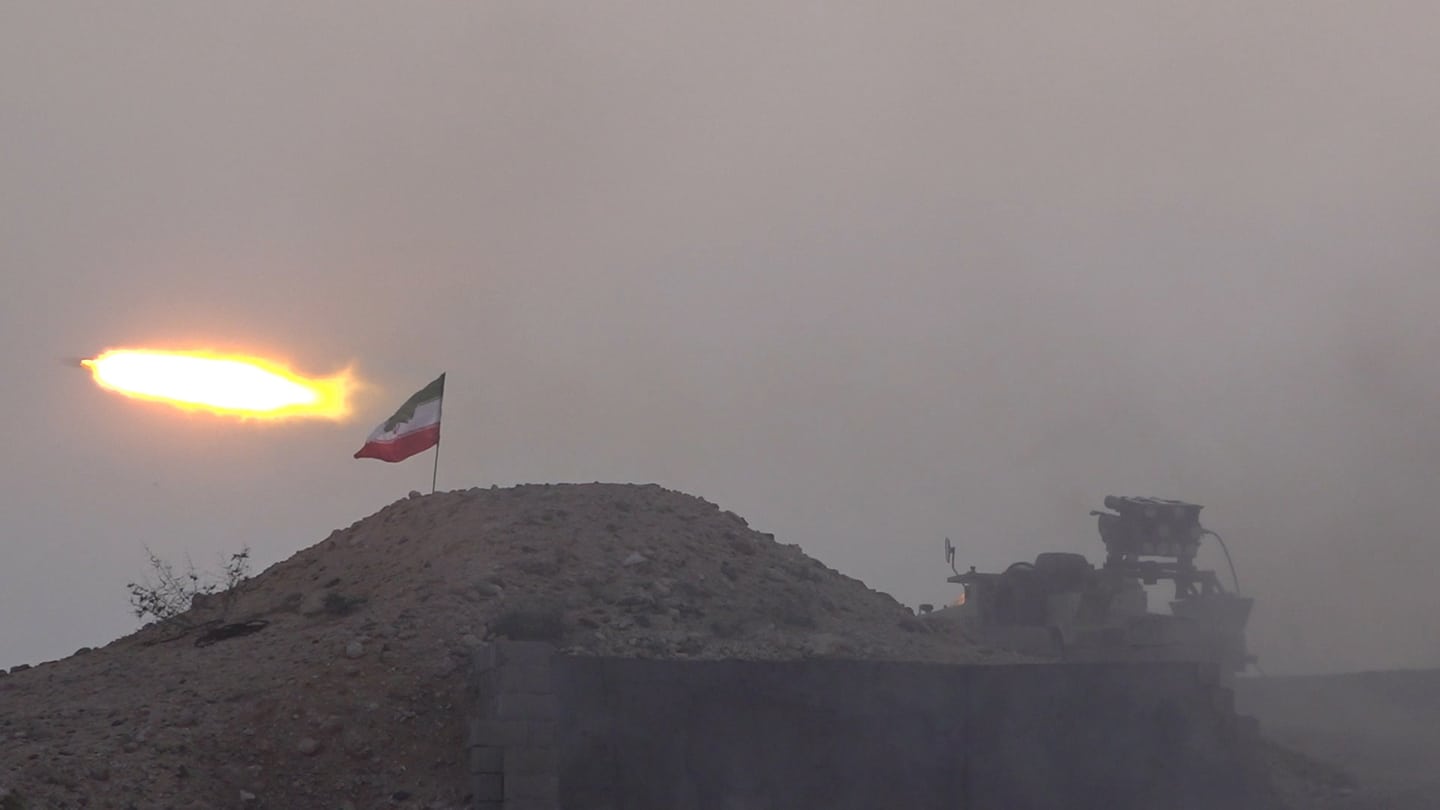
Korean companies, including major electronics manufacturers Samsung and LG, are reevaluating their expansion strategies in the Middle East following recent U.S.-Israeli airstrikes on Iran and the potential closure of the Strait of Hormuz. This vital maritime chokepoint is crucial for global energy and trade, and its instability poses significant risks to businesses operating in the region. Industry sources reported on Monday that both Samsung Electronics and LG Electronics are reviewing their regional operations and preparing contingency plans to mitigate potential disruptions.
The ongoing conflict in the Middle East could lead to delays or reductions in large-scale development projects in neighboring countries, as well as a decrease in consumer demand. The Korean electronics sector has been pursuing a “Global South” strategy to counteract slowing markets in North America and Europe by targeting emerging economies in the Middle East, Asia, and South America. Samsung Electronics, for instance, captured a 36% share of the Middle East’s smartphone market in the last quarter of 2022 and dominated the region’s organic light-emitting diode (OLED) TV market with a 52.6% share of cumulative revenue through the third quarter of 2023. However, the company now faces concerns about weakening demand due to the escalating tensions.
Impact on Food Exporters and Infrastructure Projects
The uncertainty in the Middle East is also affecting Korean food exporters, who have seen significant growth in the region over the past few years. K-food exports to the Middle East surged by 22.6% year-on-year, reaching $410 million last year, according to the Ministry of Agriculture, Food and Rural Affairs. Companies like Samyang Foods reported a 32% increase in sales, driven by high demand for Korean ramyeon. However, the ongoing conflict raises concerns about potential setbacks for these exporters.
LG Electronics recently held a major product launch event in the United Arab Emirates, but the company now risks diminishing returns on its marketing efforts. The firm plans to supply high-efficiency heating, ventilation, and air conditioning systems to the UAE and Saudi Arabia. Meanwhile, Samsung is involved in the ambitious Neom City project in Saudi Arabia, which aims to diversify the economy beyond oil. If tensions escalate further, government-led infrastructure investments may slow down, impacting various sectors.
Additionally, rising oil prices and shipping costs are becoming pressing concerns for businesses. The Korean government has indicated that the Strait of Hormuz is currently open, but a closure could occur at any time as attacks in the region intensify. Analysts predict that oil prices could soar to $100 per barrel if Iran closes the strait, further complicating the situation for exporters. Shipping companies are also bracing for higher freight rates, increased fuel costs, and longer routes due to safety risks, which could adversely affect exports of various goods, including food, vehicles, and machinery.
South Korea’s Robotics Revolution: Major Players Invest in Humanoid Technology
Monitoring the Situation
As tensions in the region continue to evolve, the Korean government and industry stakeholders are closely monitoring the situation. Reports indicate that one HMM container ship recently exited the Strait of Hormuz, and no unusual developments involving Korean oil tankers or bulk carriers have been reported. However, GPS interference has been noted, prompting some vessels to turn off their GPS systems to avoid revealing their locations.
A Ministry of Oceans and Fisheries official stated that they are actively monitoring shipping companies and the situation on the ground, ensuring the safety of vessels operating in nearby waters. The potential for increased shipping costs and reduced sales in the region could significantly impact profits for Korean companies that have invested in the Middle East market. As the situation develops, businesses will need to remain agile and responsive to the changing landscape.
