
Escalating Maritime Threats in the Strait of Hormuz
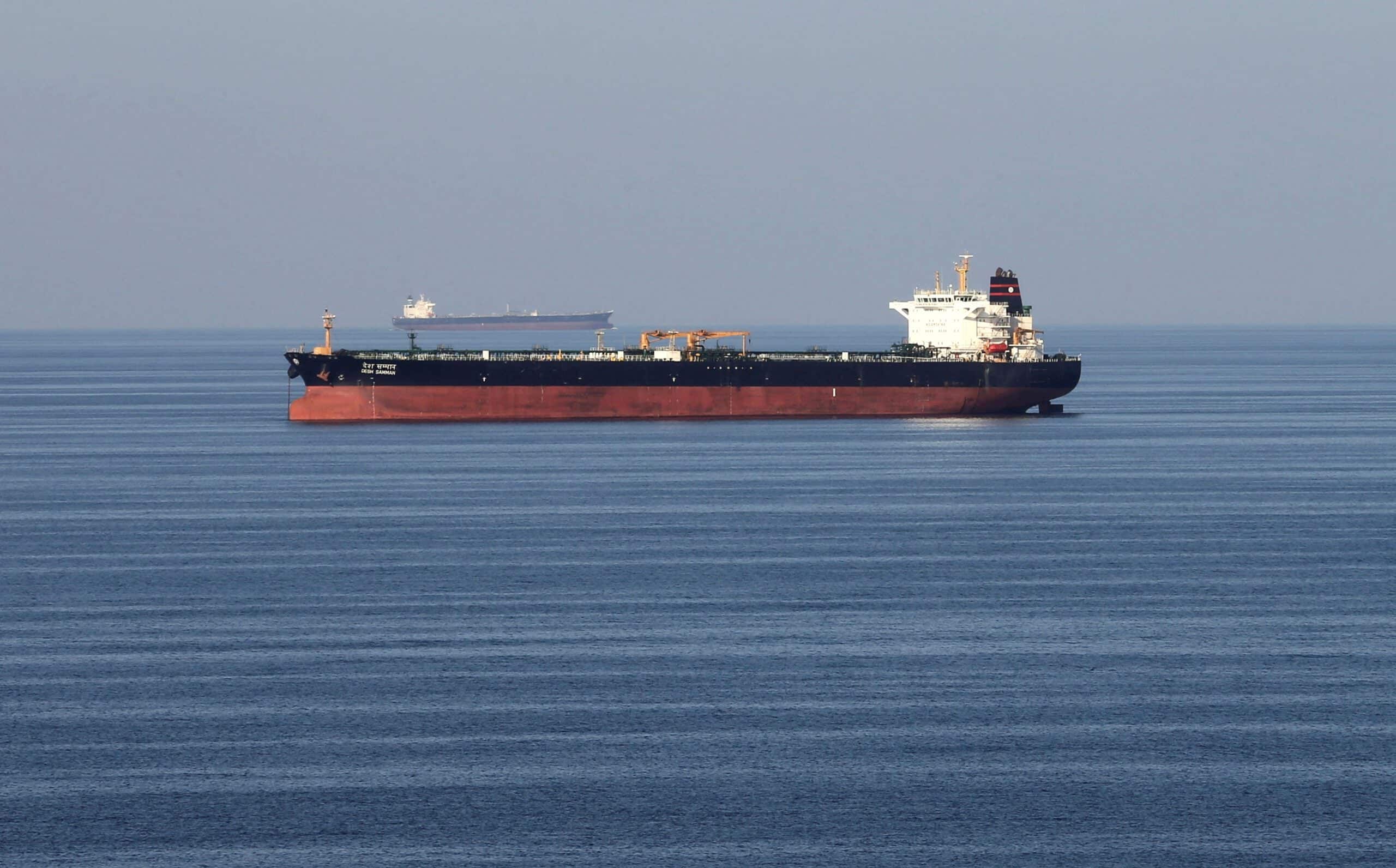
The Strait of Hormuz has plunged into a critical security crisis following a series of missile and drone attacks on five commercial vessels in the Gulf of Oman and UAE waters. The Joint Maritime Information Center (JMIC) raised the regional maritime threat level to “CRITICAL” on Sunday, indicating that further attacks are highly likely. This alarming escalation has prompted ports to temporarily suspend operations, insurers to reassess war-risk exposure, and a significant drop in maritime traffic, with transits plummeting by approximately 80%.
In just 24 hours, five vessels were either struck or targeted in what security analysts describe as one of the most intense waves of attacks in recent years. The most severe incident involved the crude tanker MKD VYOM, which was hit 44 nautical miles northwest of Muscat, Oman, resulting in an explosion and engine-room fire that claimed the life of one crew member. Other vessels, including the SKYLIGHT and STENA IMPERATIVE, also faced attacks, leading to injuries among crew members and fatalities among shipyard workers.
Widespread Impact on Maritime Operations
The recent attacks have raised alarms across the maritime industry, with JMIC warning that all merchant vessels, regardless of flag or nationality, are at risk. The ongoing threats from missiles and drones have created a perilous environment in the Strait of Hormuz and Gulf of Oman. While there have been no confirmed reports of sea mine activity, the risk remains high.
Regional ports have also been affected. Jebel Ali briefly halted operations after an aerial interception caused a fire, while Duqm Port in Oman remained operational despite two UAV strikes that injured a worker. Other facilities, such as the Ras Tanura Refinery in Saudi Arabia, were reportedly shut down following drone strikes. The situation has led to significant GPS signal degradation across the Strait, further complicating navigation amid heightened aerial threats.
The maritime traffic through the Strait has sharply declined, with AIS tracking indicating that only 28 vessels transited in a 24-hour period, a drastic drop from the historical average of 138. This decline reflects a growing concern among insurers and operators, who are reassessing risks associated with navigating these waters.
Escalating Tensions in the Strait of Hormuz: A Maritime Crisis Unfolds
Potential Consequences for Global Oil Markets
The ongoing crisis in the Strait of Hormuz poses significant risks to global oil supply and energy security. The strategic waterway is crucial for transporting approximately 15 million barrels of crude oil daily, accounting for nearly one-third of the world’s seaborne crude trade. The disruption has already impacted over 11 million barrels per day of crude supply, leading to a spike in Brent Crude prices from $73.15 per barrel on February 27 to $79.11 by March 2.
As vessels divert away from the Strait to avoid attacks, the tanker market braces for a potential upheaval. Analysts warn that a sustained blockade could lead to a sharp increase in oil prices and heightened market volatility. The limited alternatives for bypassing the Strait further exacerbate the situation, as major Middle Eastern OPEC producers rely heavily on this route for crude exports.
The ripple effects of the crisis extend beyond crude markets, potentially driving up bunker fuel prices and increasing operational costs across shipping sectors. The duration of the disruption will be critical in determining the ultimate impact on global oil supply and economic stability. While tanker owners may initially benefit from higher freight rates, a prolonged crisis could lead to demand destruction and a more complex market environment in the medium term.
