
Indian-Flagged Vessels Face Increased Risks Amid Iran Conflict
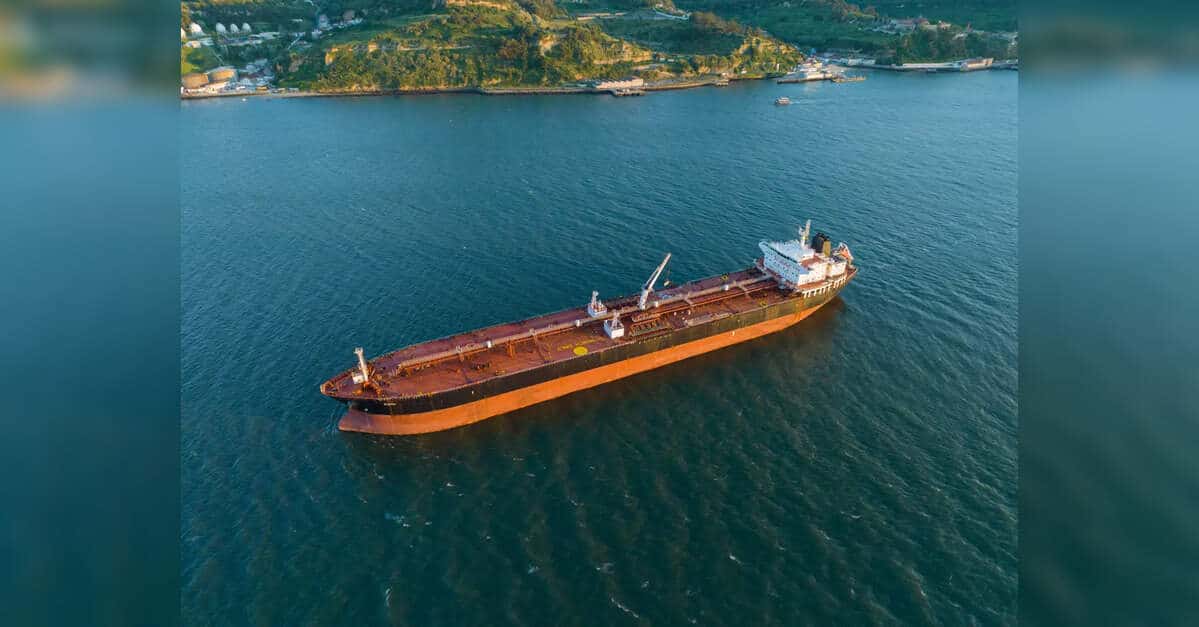
As tensions escalate in the Persian Gulf, 36 Indian-flagged vessels are currently stationed in the region, with 24 located west of the Strait of Hormuz and 12 to the east in the Gulf of Oman. This situation arises amid a backdrop of military conflict involving Iran, which poses significant threats to commercial shipping operations. According to government sources, the vessels include six crude oil tankers, one product tanker, ten LPG carriers, one LNG tanker, three container ships, two bulk carriers, and one dredger. Notably, 12 of these vessels are owned by the Shipping Corporation of India Ltd.
The Strait of Hormuz is a critical maritime chokepoint, facilitating approximately one-fifth of the global crude oil trade. Disruptions in this area could have far-reaching implications for international shipping and supply chains. The Indian government has expressed concern over the safety of its maritime assets and personnel, emphasizing the need for heightened security measures in light of the ongoing conflict.
In addition to the vessels, approximately 23,000 Indian seafarers are currently stranded across various Gulf nations, including the UAE, Saudi Arabia, and Qatar. Among these, 1,109 seafarers are aboard Indian vessels, raising alarms about their safety as military actions intensify in the region.
Maritime Incidents and Government Response
Recent military strikes by the US and Israel on Iran have led to confirmed maritime incidents involving Indian crew members. Reports indicate that one Indian national has been killed, two others injured, and two are currently missing. Notable incidents include an attack on the MT Sky Light, a Palau-flagged vessel, at Khasab Port in Oman, where one Indian chief engineer was injured and two crew members went missing. Another incident involved the MT MKD VYOM, a Marshall Islands-flagged ship, which was attacked approximately 70 nautical miles off Muscat, resulting in the death of one Indian oiler.
The Indian government has issued a high-alert advisory for commercial shipping in the region, warning of potential threats from missile and aerial drone activities, as well as risks associated with unmanned surface vessels. The Directorate General of Shipping has mandated that all Indian-flagged vessels and seafarers adopt enhanced security measures. This includes compliance with reporting protocols and registration with the Indian Embassy in Tehran.
The government has also advised Indian ships to avoid transiting the Strait of Hormuz whenever feasible. For vessels already in the area, a dynamic risk assessment is recommended, along with increased bridge manning and vigilance to report any suspicious activities. Continuous communication and emergency preparedness for potential missile and drone threats are also emphasized to ensure the safety of Indian seafarers and maritime assets in this volatile environment.
