
Iran Leverages Strait of Hormuz Amid Rising Tensions
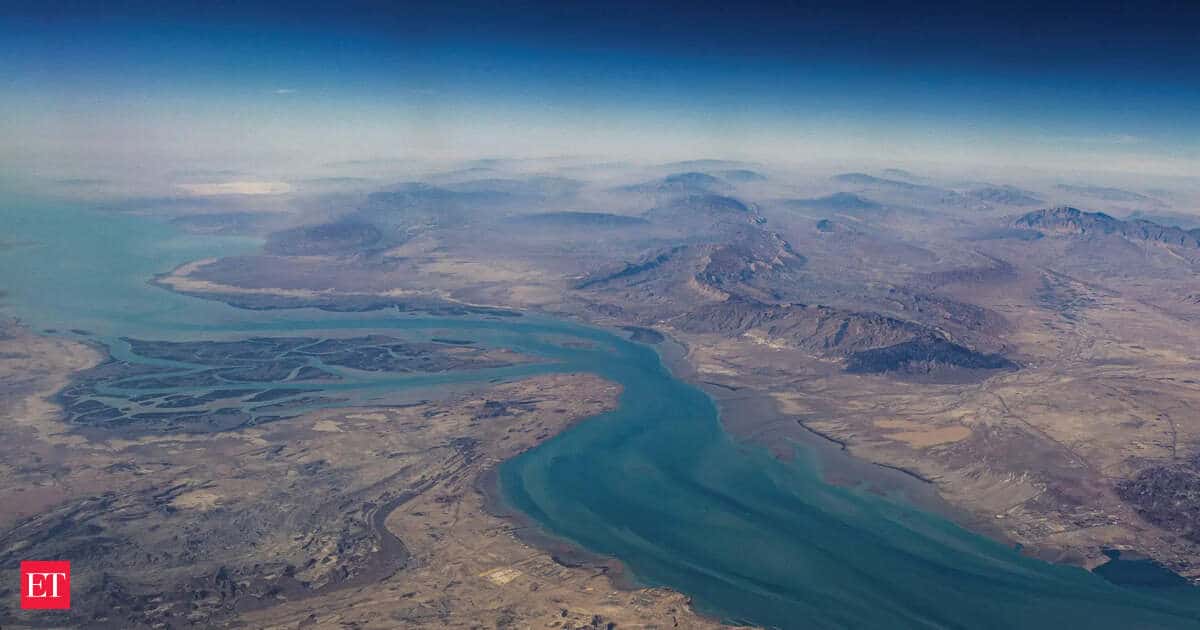
Iran is strategically using its position in the Strait of Hormuz to exert pressure on energy buyers and challenge U.S. interests in the region. As the conflict escalates into its third week, the strait has become a critical focal point for global energy trade. Recent attacks on vessels, including a Thai-flagged bulk carrier, have heightened fears among shipowners, prompting negotiations for safe passage through this vital waterway. U.S. President Donald Trump has responded by calling for international support to secure the strait, which has seen a near 45% surge in oil prices due to the ongoing instability.
The Strait of Hormuz, a narrow channel crucial for global oil transport, is now at the center of geopolitical tensions. According to Rahul Kapoor, global head of shipping and metals at S&P Global Energy, the risk of prolonged disruptions in shipping and energy markets is at its highest in decades. With only a handful of vessels managing to transit the strait in recent weeks—primarily Iranian and Chinese—large consumers in Asia are scrambling for alternatives to mitigate shortages and rising costs. India recently secured permission from Tehran for two liquefied petroleum gas (LPG) tankers to pass through the strait, marking a small but significant step toward addressing acute fuel shortages.
International Response and Challenges Ahead
In the wake of escalating tensions, Iran’s Foreign Minister Abbas Araghchi stated that several countries have sought safe passage through the strait, which he claimed is only closed to ships from “enemies.” However, the specifics of these negotiations remain unclear. The situation has prompted Trump to urge nations like China, France, Japan, South Korea, and the UK to send warships to help reopen the strait. Despite these calls, no country has yet committed to providing naval support.
The U.S. Navy is prepared to act if directed, but experts warn that such actions would come with significant risks. Jennifer Parker, an adjunct professor at the University of Western Australia Defence and Security Institute, emphasized the need to reduce Iran’s capabilities to target ships rather than merely escorting them. The strait’s narrowness—barely 30 miles at its narrowest point—complicates navigation and increases vulnerability to potential attacks from Iranian forces, including missiles and unmanned vessels.
While China has the capability to assist, it has not publicly responded to Trump’s request. The Chinese government maintains a policy of non-intervention and has little incentive to engage in a joint naval mission with the U.S. Japan and South Korea are also under pressure to support U.S. efforts, but both nations face domestic restrictions on military deployments. Japan’s Prime Minister Sanae Takaichi has indicated that the government is considering measures to protect Japanese vessels, while South Korea is reviewing the U.S. request.
As the situation unfolds, experts predict that restoring normal traffic in the Strait of Hormuz could take weeks. Kapoor noted that a significant increase in vessel crossings would be necessary to signal a return to stability. Meanwhile, India is closely monitoring the situation of its 22 vessels in the region, emphasizing the importance of negotiating safe passage to ensure the safety of its seafarers and energy security.
