
U.S. Strikes Prompt Oil Loading at Iran’s Kharg Island
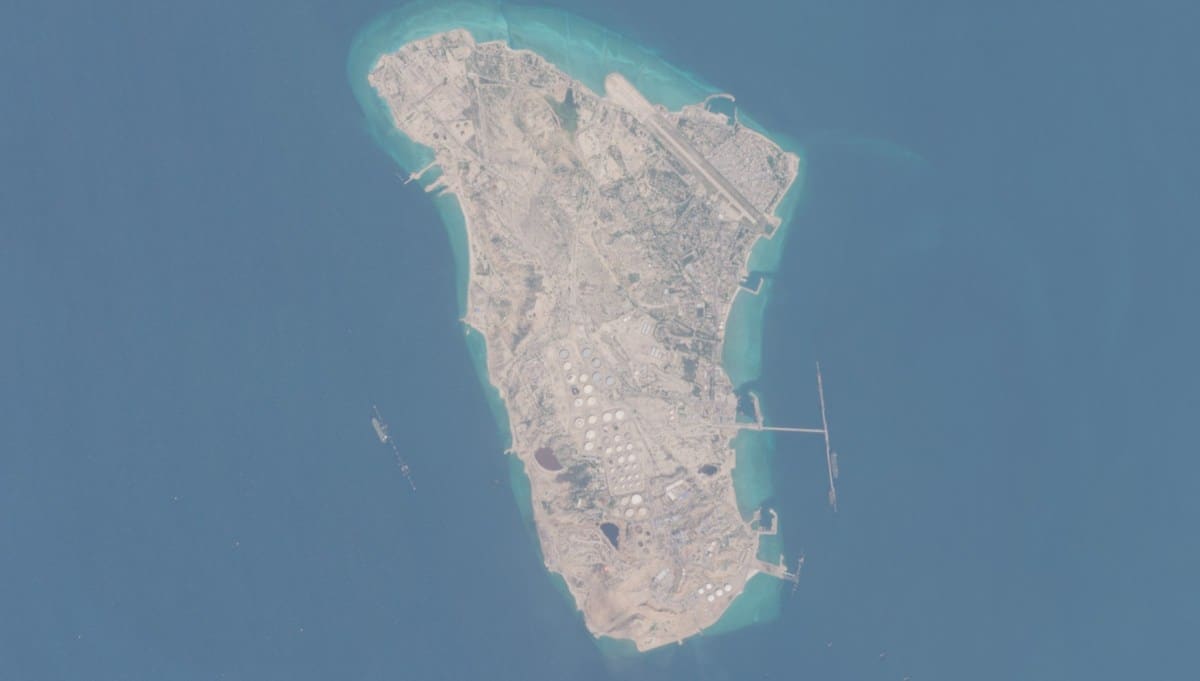
Suspected oil tankers have been observed loading fuel at Kharg Island, Iran, just two days after President Donald Trump ordered U.S. military strikes on the strategic crude oil hub. This military action comes in response to rising gas prices, which have been exacerbated by Iran’s recent closure of the Strait of Hormuz and attacks on civilian vessels in the Persian Gulf. The situation has raised significant concerns about global oil supply and pricing.
Following the U.S. strikes on March 14, Brent crude oil prices surged above $100 a barrel. This spike occurred despite a slight decrease in prices the previous week, attributed to the U.S. releasing emergency oil stockpiles. The European Space Agency’s Sentinel-1 satellites captured imagery showing at least two crude oil tankers docked at Kharg Island’s eastern piers, indicating that operations continued despite the military actions.
Kharg Island is a critical oil terminal located approximately 20 miles off the southern coast of Iran. It has the capacity to store up to 34 million barrels of crude oil and is connected to the mainland via undersea pipelines. Last year, Kharg Island accounted for 96 percent of Iran’s oil exports, averaging over 1.5 million barrels per day. The ongoing loading operations at Kharg Island suggest that Iran is attempting to maintain its oil export activities despite the heightened military tensions.
Impact of Military Actions on Oil Traffic and Prices
President Trump has historically been cautious about targeting Iranian oil infrastructure directly. Reports indicate that he requested Israel to refrain from similar actions. The Pentagon confirmed that over 90 military facilities, including missile storage sites, were struck, while efforts were made to avoid damaging oil infrastructure. Trump emphasized this restraint on his Truth Social account, stating that any threat to the free passage through the Strait of Hormuz would prompt a change in strategy.
Since the outbreak of conflict on February 28, tanker traffic in the Strait of Hormuz has plummeted by over 90 percent. Despite Trump’s attempts to persuade Tehran to reopen the waterway, shipping lines remain wary, opting to keep their vessels away from potential strikes by Iranian anti-ship missiles and drones. Only a few ships, including bulk carriers with ties to China, have attempted to navigate the perilous waters.
Iran primarily sells its oil to China, which sources about 10 percent of its crude from the Islamic Republic. Despite the ongoing tensions, Iranian tankers continue to depart from the Persian Gulf daily. Reports from TankerTrackers.com indicate that Kharg Island has been consistently loading tankers since the conflict began, with another 2 million barrels of Iranian crude reported to have departed shortly after the U.S. military operation.
In a recent development, Beijing rejected Trump’s appeal for assistance in maintaining energy flows through the Strait of Hormuz, further complicating the situation. As the geopolitical landscape evolves, the implications for global oil markets and shipping routes remain significant.
