
Escalating Attacks on Energy Infrastructure in the Gulf
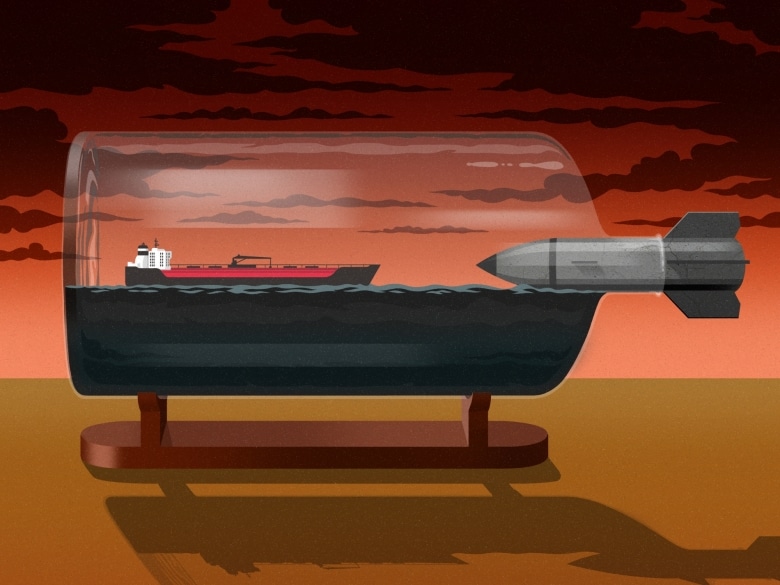
In a troubling escalation of geopolitical tensions, Iran has intensified its attacks on energy infrastructure across the Gulf states, targeting pipelines, refineries, and desalination plants. This aggressive strategy aims to exert economic and political pressure amid ongoing conflicts, particularly the war in Ukraine. The situation has drawn significant attention, especially following the winter of 2022 when Russia’s assault on Ukraine’s power grid left millions in darkness. As of March 2026, the Gulf region is witnessing a similar crisis, with oil prices soaring above $110 per barrel and the flow of ships through the vital Strait of Hormuz nearly halted.
U.S. Secretary of War Pete Hegseth stated on March 10 that the conflict in the Middle East remains “contained” from a military perspective. However, the reality on the ground tells a different story. The Strait of Hormuz, a crucial passage for approximately 30% of global oil and 20% of liquefied natural gas (LNG) exports, is under siege. With attacks on oil and gas facilities escalating daily, the world is experiencing a significant reduction in oil supply, raising alarms about potential global economic repercussions.
Iran’s strategy focuses on high-value, low-risk targets, primarily energy infrastructure. On March 12, Ali Larijani, secretary of Iran’s Supreme National Security Council, threatened that any U.S. attacks on Iranian power generation could plunge the entire region into darkness. This statement underscores the increasing stakes in the ongoing conflict and highlights the urgent need for enhanced security measures to protect critical energy assets.
The Strait of Hormuz: A Global Energy Chokepoint
The Strait of Hormuz is a vital artery for global energy supplies, serving as the primary export corridor for oil from Saudi Arabia, the UAE, Kuwait, and Qatar. Approximately 75% of the oil flowing through this passage originates from these three countries. The strategic importance of the Strait cannot be overstated, as it is also a key transit route for other essential commodities, including fertilizers and helium.
Currently, the Gulf states produce over 20 million barrels of crude oil daily, with a significant portion transiting through the Strait. However, recent attacks have led to a cumulative reduction of 6.7 million barrels per day in oil production from Saudi Arabia, the UAE, Kuwait, and Iraq, representing about 6% of the global oil supply. The situation is further complicated by the fact that alternative routes, such as Saudi Arabia’s East-West pipeline and the UAE’s Abu Dhabi Crude Oil Pipeline, can only redirect a fraction of the oil typically transported through Hormuz.
As tensions rise, major economies in Asia and Europe are increasingly reliant on this passage for their energy needs. While some European nations can switch suppliers, Asian economies face greater challenges due to longer shipping times and limited alternatives. The disruption of oil shipments through the Strait of Hormuz has already removed 20 million barrels per day from the global market, leading to increased commodity prices and supply shocks across various industries.
Vulnerabilities in Gulf Energy Hubs
The Gulf region is home to some of the world’s most critical energy infrastructure, including Saudi Arabia’s Abqaiq facility, which processes about 7% of global oil supply, and Qatar’s Ras Laffan complex, the largest LNG export facility worldwide. These hubs are now facing unprecedented threats from Iran’s ongoing campaign against energy infrastructure.
The vulnerability of LNG supply chains adds another layer of complexity to the situation. Unlike oil, LNG supply chains are highly integrated and inflexible, making them susceptible to disruptions. With Qatar supplying a significant portion of LNG to Asia and Europe, any sustained attack on the Ras Laffan complex or the Strait of Hormuz could have dire consequences for global gas markets.
The economic impact of these attacks extends beyond immediate supply disruptions. Rising insurance premiums and increased shipping costs due to rerouted vessels are compounding the challenges faced by the global market. The International Energy Agency’s recent announcement to release 400 million barrels from strategic reserves highlights the urgency of the situation. However, such measures may only provide temporary relief, as the underlying structural risks posed by military escalations remain unaddressed.
As the conflict continues to unfold, the need for robust security measures to protect energy infrastructure in the Gulf will become increasingly critical. The world is watching closely as the situation develops, aware that the implications of these attacks could resonate far beyond the region.
