
Chittagong Port: Bangladesh’s Economic Lifeline
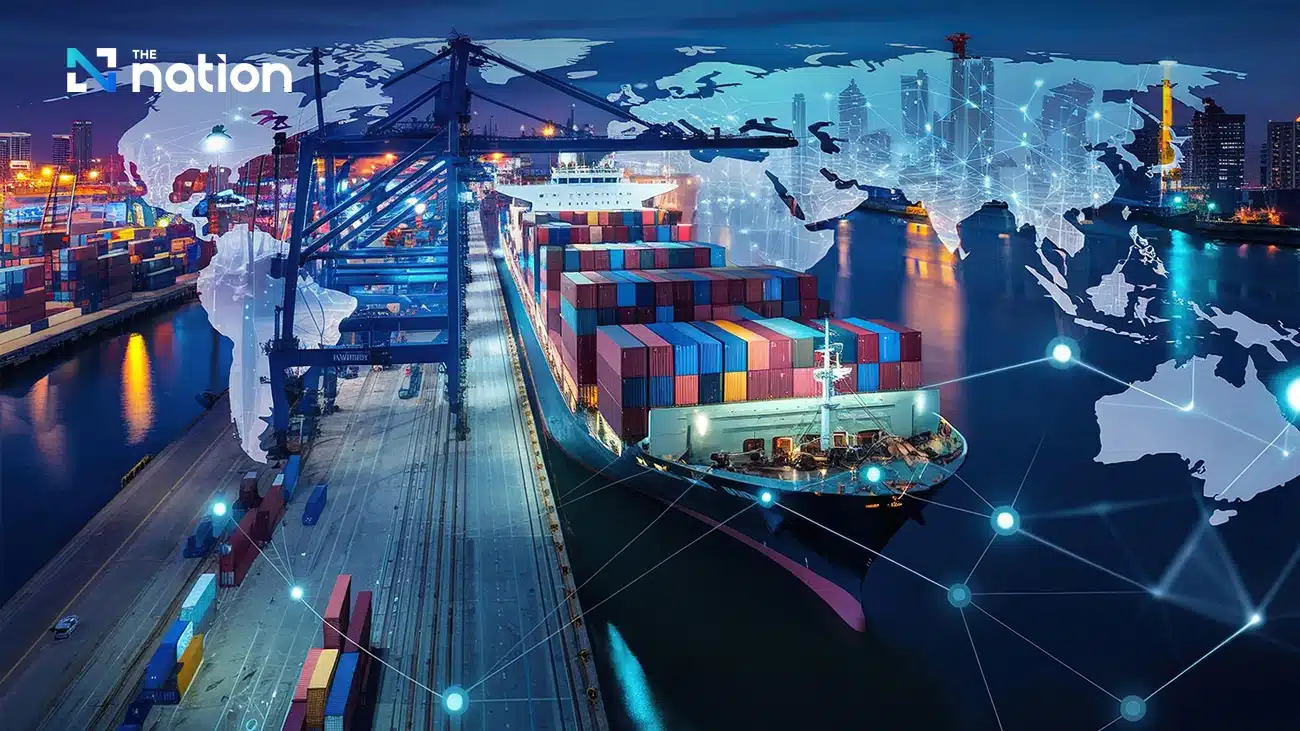
Chittagong Port stands as the largest port in Bangladesh and serves as a vital trade gateway for the nation. Situated along the Karnaphuli River, it is responsible for handling approximately 90% of the country’s international trade. This strategic location makes it a crucial link for Bangladeshi goods entering Southeast Asian markets. Key exports include textiles and garments, where Bangladesh ranks as the world’s second-largest exporter, along with leather products, seafood, pharmaceuticals, and scrap metal from its prominent ship-breaking industry.
The port’s significance extends beyond its borders. A proposed connection with Ranong Port in Thailand is expected to significantly enhance trade efficiency. This partnership could reduce transport times from 7–15 days to just 3–5 days, facilitating quicker access to markets for both nations. The collaboration aims to improve logistics and strengthen ties among BIMSTEC (Bay of Bengal Initiative for Multi-Sectoral Technical and Economic Cooperation) member states, which include Bangladesh, Bhutan, India, Myanmar, Nepal, Sri Lanka, and Thailand.
This cooperation is being hailed as a “golden opportunity for growth.” By expanding markets and reducing costs, it promises to boost global competitiveness. The long-term vision positions Ranong Port as a gateway linking Southeast Asia and South Asia, thereby enhancing trade dynamics in the region.
The Importance of BIMSTEC for Thailand
BIMSTEC is a regional organization comprising seven member countries: Bangladesh, Bhutan, India, Myanmar, Nepal, Sri Lanka, and Thailand. The initiative focuses on various sectors, including trade, investment, agriculture, environment, security, science and technology, and connectivity. For Thailand, BIMSTEC serves as a strategic buffer to the west, reinforcing stability and security while mitigating external geopolitical pressures.
Historically, ASEAN has acted as Thailand’s eastern and southern buffer for over 57 years. Strengthening political and economic stability among its western neighbors is crucial for Thailand’s development. It opens up new avenues for trade and investment, allowing Thailand to leverage its geographical position to attract foreign investment and integrate into global supply chains, particularly those serving the vast markets of India and China.
BIMSTEC is viewed as a vital addition to Thailand’s “Look West” policy, which was announced in 2016. This policy aims to enhance Thailand’s connectivity through both land and sea routes, providing a competitive edge over countries that can only offer one type of access. The initiative complements the increasingly significant Indo-Pacific framework, positioning Thailand as a key player in regional connectivity and economic collaboration.
