
War in Iran Disrupts Global Shipping Landscape
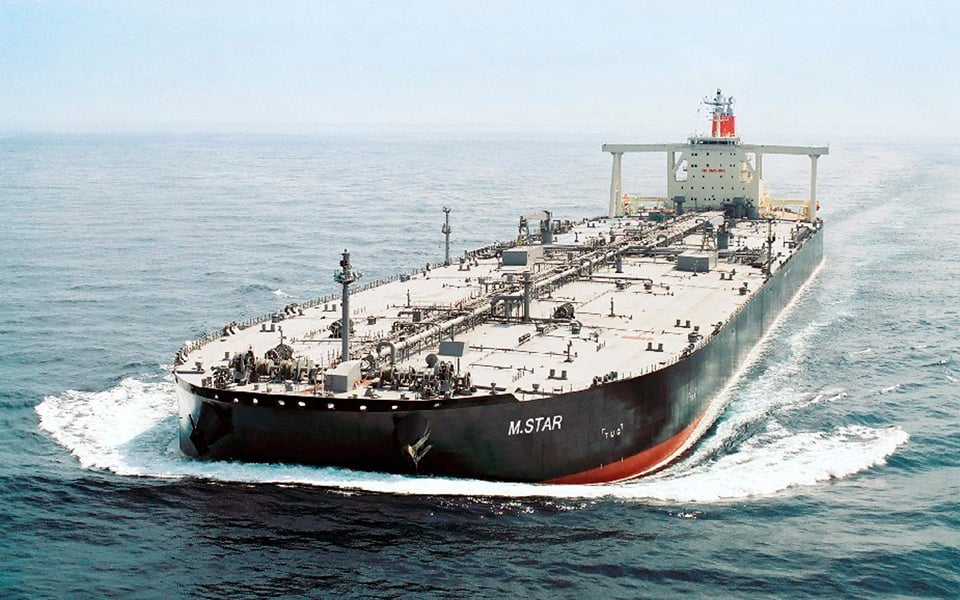
The ongoing conflict in Iran has dramatically transformed the global shipping industry in just over three weeks. The war has forced shipping companies to alter their routes significantly to avoid the conflict zone, resulting in an artificial shortage of vessels. This rerouting has led to increased congestion at ports and transshipment hubs, exacerbating the challenges faced by the maritime sector.
As shipping routes lengthen, the costs associated with transporting goods have surged. The combination of extended travel times, rising oil prices, and the collapse of insurance coverage in the Gulf region has contributed to soaring operational expenses. Notably, Very Large Crude Carrier (VLCC) tanker rates have skyrocketed by 94%, while bulk carrier rates have increased by 13%. For those ships willing to navigate the risky waters of the Gulf, daily rates have reached unprecedented levels, with some vessels securing contracts for as much as $740,000 per day.
Impact on Seafarers and Labor Relations
The war’s impact extends beyond financial metrics, as thousands of seafarers find themselves stranded without viable options for repatriation. This situation has led to rising tensions and labor frictions within the maritime workforce. Many crew members are unable to return home, creating a humanitarian concern that adds another layer of complexity to the already strained shipping industry.
“Navigating Uncertainty: The Importance of Marine War Risks Insurance
The combination of increased shipping costs and labor issues poses significant challenges for shipping companies and their operations. As the conflict continues, the industry must navigate these turbulent waters while ensuring the safety and well-being of its workforce. The long-term implications of the war on global shipping remain uncertain, but the immediate effects are clear: a rapidly changing landscape that demands adaptability and resilience from all stakeholders involved.
