
Escalating Tensions: Iran and Israel Exchange Missile Strikes Amid Diplomatic Uncertainty
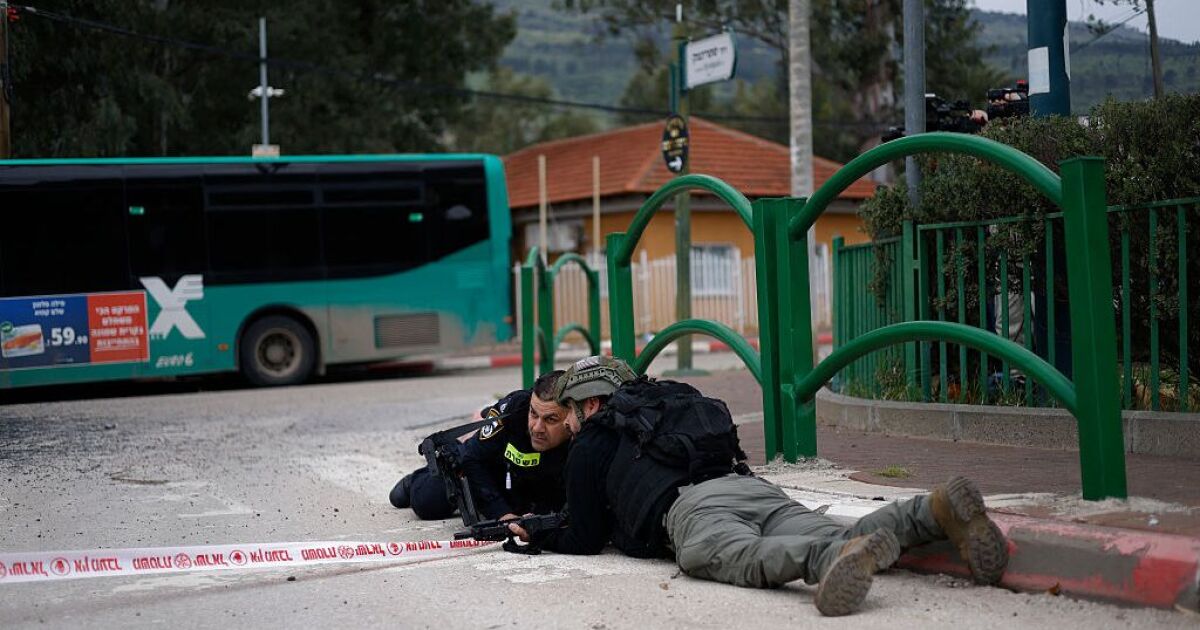
Israel and Iran intensified their military exchanges on Tuesday, with missile strikes reported in central Tel Aviv, according to Israeli authorities. This escalation comes as conflicting messages emerge from Washington and Tehran regarding the future of the ongoing conflict and potential diplomatic talks. U.S. President Donald Trump indicated that discussions between U.S. and Iranian officials have been “productive,” postponing a threatened attack on Iran’s energy infrastructure until the end of the week, contingent on the progress of negotiations. In contrast, Iranian officials dismissed these claims as “fake news,” although Iran’s foreign ministry acknowledged that it was responding to requests from intermediaries of friendly nations.
Tel Aviv Targeted: Multiple Strikes Reported
The Israeli military reported that Iran launched missiles at Israel at least eight times on Tuesday, impacting various locations across the country. Health officials in Israel confirmed that at least six individuals were injured in Tel Aviv. The missile that struck Tel Aviv was estimated to contain a warhead weighing approximately 220 pounds, and Israel’s defense systems failed to intercept it. An explosion was also reported in northern Israel, resulting in at least one injury, while additional blasts occurred in the southern regions.
NPR reporters visited the site of the Tel Aviv explosion, where they found a crater in a residential area, with significant damage to nearby buildings and vehicles. The ongoing missile exchanges highlight the escalating violence in the region, with Iranian forces also reporting that a gas supply line in southwest Iran was targeted overnight.
Diplomatic Efforts Amid Hostilities
Despite the ongoing military actions, an Israeli official disclosed that the U.S. is planning talks with Iran in Pakistan in the coming days. This information was shared on the condition of anonymity, as the official was not authorized to speak publicly on the matter. The potential for diplomatic resolution appears tenuous, as Iranian leadership has categorically denied engaging in negotiations with the U.S. Iranian parliamentary speaker Mohammad Bagher Ghalibaf labeled reports of talks as disinformation aimed at manipulating financial and oil markets.
In A First, Chinese Coast Guard Fleet Enters Arctic Ocean For Patrol, Russia Joins
President Trump reiterated his commitment to postponing military action against Iran, expressing hope for a resolution by March 27. Meanwhile, regional intermediaries, including Egypt, Turkey, and Pakistan, are reportedly facilitating communication between the conflicting parties in an effort to de-escalate tensions.
Humanitarian Concerns and Civilian Impact
As the conflict nears its one-month mark, NPR has reported on the plight of Iranians fleeing the country. Many expressed relief at the postponement of U.S. military threats but voiced concerns that any agreement might allow the current Iranian government to remain in power. Reports from the eastern Turkish-Iranian border indicate heavy bombardments in Tehran, with a significant security presence on the streets.
In Lebanon, an Israeli airstrike killed at least two people southeast of Beirut, part of a broader campaign targeting Iran-backed Hezbollah militants. The Israeli military has issued evacuation orders across Lebanon, displacing over one million individuals, according to the Lebanese government. Human Rights Watch has condemned the targeting of civilians and forcible displacement as potential war crimes.
