
Indian Vessels Navigate Strait of Hormuz Amid Ongoing Conflict
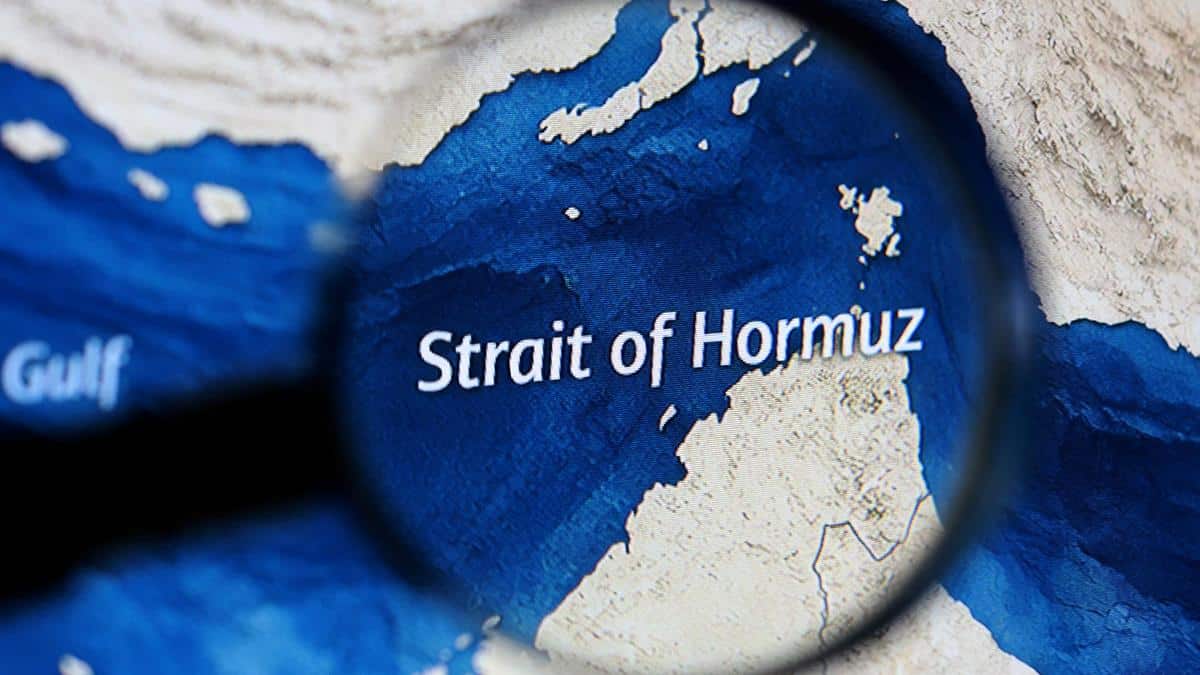
As tensions escalate in the Middle East, Indian vessels are preparing to navigate the Strait of Hormuz, a crucial maritime route linking the oil-rich Persian Gulf to international waters. Rajesh Kumar Sinha, Special Secretary at the Ministry of Ports, Shipping and Waterways, confirmed that no permission is required from any country for ships to transit through this vital channel. This statement comes as more Indian-flagged vessels, including two LPG tankers, are set to sail through the war-affected area.
The Strait of Hormuz has seen a significant decrease in maritime traffic following military actions by the U.S. and Israel against Iran, which retaliated with strikes on U.S. bases in the Gulf. Sinha emphasized that shipping companies make decisions regarding their movements based on safety assessments and other conditions, rather than needing explicit approval from Iran. “The decision to sail is taken between the shipping company and the charterer,” he stated during a media briefing.
Currently, two Indian LPG tankers, Pine Gas and Jag Vasant, are en route to Indian ports, carrying a combined total of approximately 92,612 tonnes of LPG. Pine Gas is expected to arrive at New Mangalore port on March 27, while Jag Vasant is scheduled to reach Kandla in Gujarat on March 26. These vessels are among the 22 Indian-flagged ships that were previously stranded in the Persian Gulf due to the ongoing conflict.
Current Maritime Situation and Implications for India
The situation in the Strait of Hormuz has become increasingly complex, with 28 Indian-flagged vessels initially caught in the conflict zone. As of now, 22 remain, with 20 on the western side of the strait and two on the eastern side. Among these are five LPG carriers holding around 230,000 tonnes of cooking gas. The ongoing war has severely impacted India’s LPG supply, which relies heavily on imports through this strategic waterway.
Iran’s Foreign Minister Addresses LPG Supply Concerns Amid Strait of Hormuz Tensions
Sinha noted that while the strait is governed by international navigation conventions, the narrowness of the channel necessitates adherence to designated entry and exit lanes. The decision to navigate through the strait is ultimately made by the shipping companies, who assess the situation based on current safety conditions.
In recent weeks, several vessels have successfully crossed the strait, including LPG carriers MT Shivalik and MT Nanda Devi, which reached Indian shores earlier this month. The Indian government is closely monitoring the situation, as approximately 88% of India’s crude oil and significant portions of its LPG and natural gas supplies transit through this critical route.
Analysts suggest that Iran may be selectively allowing vessels to pass through the strait after verifying their ownership and cargo. This verification process appears to be a precautionary measure to ensure that vessels do not belong to U.S. interests or those that Iran has not authorized for transit.
