
Stranded Sailors Face Uncertainty Amid Persian Gulf Tensions
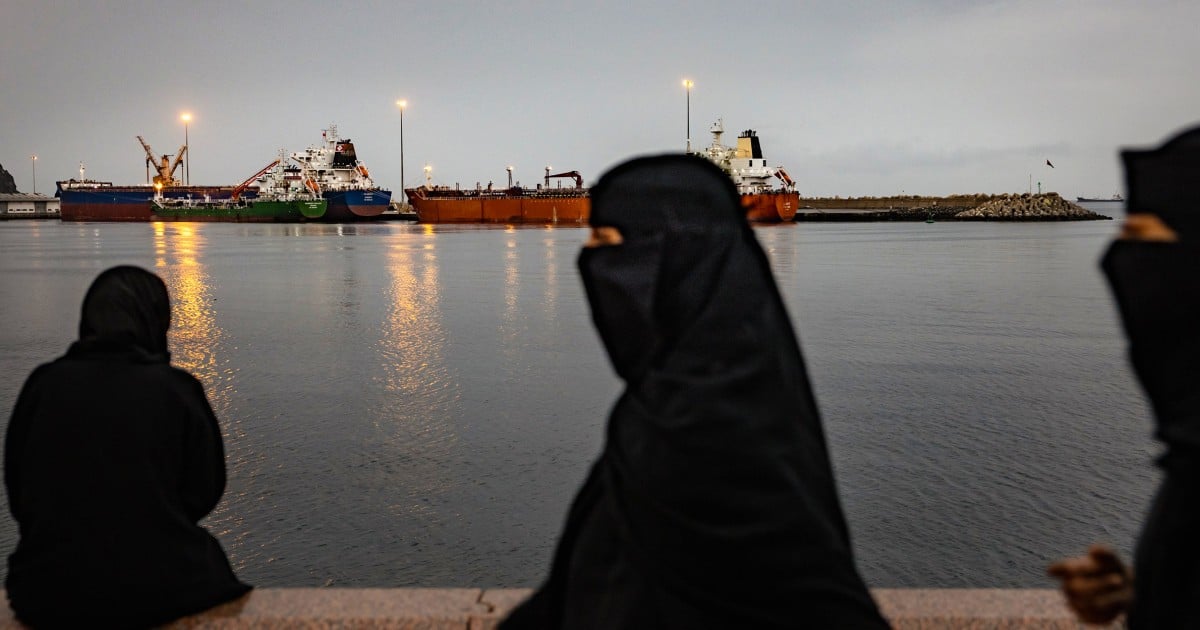
HONG KONG — A 28-year-old Indian sailor and his three crewmates are enduring a harrowing experience as they remain stranded on their oil vessel in Iraqi waters. What was intended to be a routine oil transport across the Persian Gulf has turned into a month-long ordeal due to escalating tensions from the ongoing Iran conflict. The sailor, who requested anonymity for safety reasons, described the situation as a nightmare, stating, “We don’t sleep at night. We stay up on deck because you never know what might happen next.”
The crew’s fears were heightened recently when they witnessed missile strikes nearby. “The ship is still vibrating,” he reported during a phone interview with NBC News. This sailor is among approximately 20,000 seafarers trapped on hundreds of vessels in the Persian Gulf, as reported by the U.N.’s maritime agency. The Iranian government has effectively blocked access to the vital Strait of Hormuz in retaliation for U.S.-Israeli military actions, significantly impacting global shipping routes and energy prices.
Impact of the Blockade on Maritime Trade
The blockade of the Strait of Hormuz has not only disrupted maritime trade but also put the lives of seafarers at risk. At least seven sailors have reportedly died, and several others have been injured due to Iranian attacks on commercial vessels. Angad Banga, CEO of the Caravel Group, which manages over 600 ships, emphasized the critical role these seafarers play in global trade, stating, “The world has relied on these people to keep trade moving under impossible conditions.”
The situation for seafarers has been challenging for several years, especially during the COVID-19 pandemic, which confined many to their ships for extended periods due to border restrictions. The recent escalation of violence, including attacks by Houthi rebels in the Red Sea, has further complicated their circumstances. Banga noted that the world often forgets about these essential workers when crises fade from the headlines, urging for greater awareness and support.
The International Maritime Organization has confirmed multiple incidents of damage to commercial vessels in the region, with 18 reported between March 1 and March 19. One notable incident involved a Thai-flagged ship that was struck by projectiles, resulting in a rescue operation for its crew. As tensions continue, the stranded sailors can only watch in fear as military exchanges occur nearby.
US to Ensure Energy Flow in Persian Gulf Amid Rising Tensions
Life on Board Amidst Rising Tensions
Life aboard the stranded vessels is fraught with anxiety. The sailor described the fear that grips the crew during nighttime, as most attacks occur after dark. “When the routine breaks down is when people start to unravel,” Banga explained. To cope, crews engage in various activities, such as exercising and watching movies, to maintain a semblance of normalcy.
Despite the dire circumstances, there have been rare instances of vessels successfully navigating the Strait of Hormuz. On March 23, a Chinese-owned tanker managed to pass through, providing a glimmer of hope for those still waiting. However, the Iranian government has stated that only “non-hostile vessels” will be allowed safe passage, leaving many uncertain about their fate.
As the Indian sailor awaits news of his ship’s departure, he expressed concern for his family back home. “My family is panicking,” he said. “We’ve packed all our bags and are ready the moment someone calls us.” The ongoing conflict in the region continues to pose significant risks for maritime workers, highlighting the urgent need for international attention and support for those who keep global trade afloat.
