
Pentagon ‘prepares for major escalation in Iran War with ground operations set
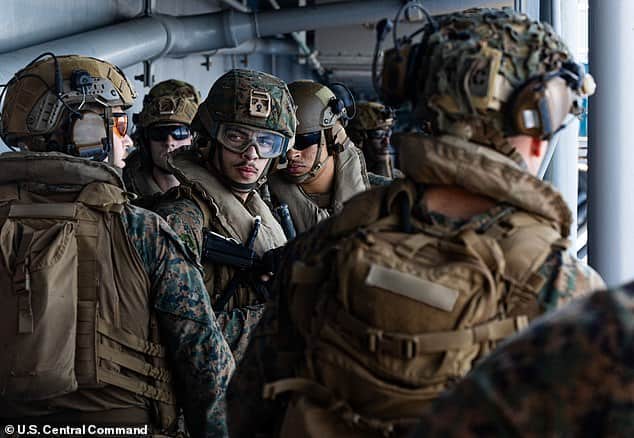
The Pentagon is mobilizing for potential ground operations in Iran, with plans that could extend over several weeks, according to military officials. Thousands of U.S. Marines are being deployed to the Middle East as defense leaders brace for what is described as a significant escalation, although sources indicate that full-scale invasion is not anticipated. The situation remains fluid, with President Donald Trump yet to approve the military’s proposed actions.
Deployment of U.S. Forces
The USS Tripoli has recently arrived in the Middle East, carrying approximately 3,500 sailors and Marines. This deployment includes the Tripoli Amphibious Ready Group and elements from the 31st Marine Expeditionary Unit, which were previously conducting exercises near Taiwan before being redirected to the region. The unit’s primary responsibilities typically involve intercepting vessels and seizing territory, as reported by the Wall Street Journal.
In addition to the Marines, the USS Tripoli is equipped with transport and strike fighter aircraft, along with amphibious assault capabilities. The USS Boxer and two other ships, accompanied by another Marine Expeditionary Unit, are also en route from San Diego. This buildup of military resources comes amid rising tensions, particularly following missile attacks by Iranian-backed Houthis, which have further complicated the conflict landscape.
As the U.S. Central Command prepares for potential ground operations, the timeline for these actions is estimated to range from several weeks to a couple of months. While the Pentagon has not provided specific details on the operation, a former senior defense official emphasized that this planning is not last-minute, indicating that extensive war-gaming has already taken place.
Escalating Conflict and Strategic Implications
The ongoing conflict has already resulted in the deaths of at least 13 U.S. soldiers, with recent missile strikes highlighting the increasing risks faced by American forces. A missile attack on the Prince Sultan Air Base in Saudi Arabia injured multiple soldiers and damaged aircraft, marking one of the most serious breaches of U.S. air defenses since the conflict began.
In response to the escalating situation, Secretary of State Marco Rubio stated that the operation against Iran is progressing ahead of schedule and is not expected to be a prolonged conflict. However, the potential for further troop deployments remains, with an additional 10,000 troops from the 82nd Airborne Division being prepared for possible deployment.
As tensions rise, the Iranian ambassador to the United Nations has indicated Tehran’s willingness to facilitate humanitarian aid through the Strait of Hormuz, despite ongoing military actions. This development comes as the Houthis have entered the conflict, launching missile attacks on Israeli military sites, which could further complicate the situation in the region.
The implications of these military maneuvers extend beyond the immediate conflict, with concerns about the potential impact on global oil prices and shipping routes. The Bab al-Mandeb Strait, a critical waterway for international trade, is also under threat, as military leaders consider measures that could disrupt this vital passage.
