
Iran’s Controversial Toll System for Strait of Hormuz Raises International Concerns
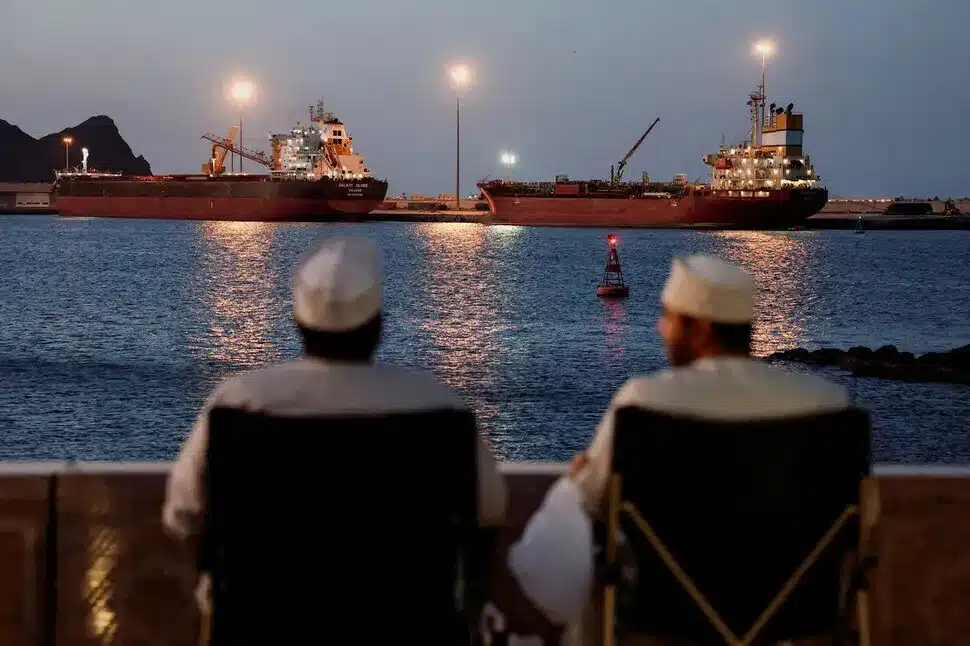
Iran has reportedly begun charging a toll of approximately $2 million for ships navigating through the strategically vital Strait of Hormuz. This development is expected to be a significant topic during upcoming closed-door peace talks between the United States and Iran, mediated by other nations. The imposition of such tolls has sparked controversy, as it is viewed by many as a violation of international law.
According to reports from the Associated Press and other international news outlets, Iran has already established a de facto toll collection system. Shipping companies are required to submit extensive documentation, including the International Maritime Organization (IMO) number, ownership details, cargo manifest, destination, and crew list, to the Islamic Revolutionary Guards Corps (IRGC) to obtain clearance for passage. Notably, at least two vessels have reportedly paid the toll, with payments made in Chinese yuan.
Approved vessels are assigned special codes and escorted by the IRGC along a northern corridor between the islands of Larak and Qeshm, which is closer to the Iranian coast than the traditional route through the center of the strait. This shift in navigation patterns highlights Iran’s increasing control over this critical waterway.
Potential Revenue and Legal Implications
Iran’s parliament is currently working on legislation to formalize the toll system, which could generate an estimated $100 billion in annual revenue if enacted. Before the onset of conflict, around 120 ships traversed the Strait of Hormuz daily. However, the ongoing war has drastically reduced maritime traffic, with only vessels linked to Iran currently operating in the area.
The United Nations Convention on the Law of the Sea guarantees safe passage through territorial waters adjacent to international waters, provided that such passage does not disrupt the peace or security of the coastal state. Experts, including maritime history professor Salvatore Mercogliano, argue that there is no legal basis for Iran to impose tolls on shipping. Jasem Mohamed Al-Budaiwai, secretary-general of the Gulf Cooperation Council, has also condemned Iran’s actions as a violation of international law, although it is important to note that Iran has signed but not ratified the convention.
Data from the analysis firm Kpler indicates that an average of 1.6 million barrels of crude oil were shipped daily from Iran’s Kharg Island in March, a figure comparable to pre-war levels. However, since hostilities began, Iran has restricted passage through the strait to select vessels from friendly nations, including China and India. So far, Thailand and Malaysia are the only two countries that have officially received approval from Iran to navigate through the strait.
International Reactions and Ongoing Negotiations
The toll system has emerged as a contentious issue in the ongoing negotiations between the US, Israel, and Iran aimed at ending the war. The Trump administration’s 15-point plan for peace included demands for guarantees of free passage through the Strait of Hormuz, alongside calls for the dismantling of Iran’s nuclear program and a ban on uranium enrichment. In response, Iran has insisted on its sovereignty over the strait, complicating the negotiations.
US Secretary of State Marco Rubio has publicly condemned the toll system, labeling it “illegal” and “unacceptable.” He emphasized the potential dangers posed by Iran’s actions to global maritime security. As both sides remain entrenched in their positions, the issue of tolls in the Strait of Hormuz is likely to be a significant hurdle in achieving a peaceful resolution to the ongoing conflict.
