
Strong Demand Drives Bulk Carrier Prices Up Amid Geopolitical Tensions
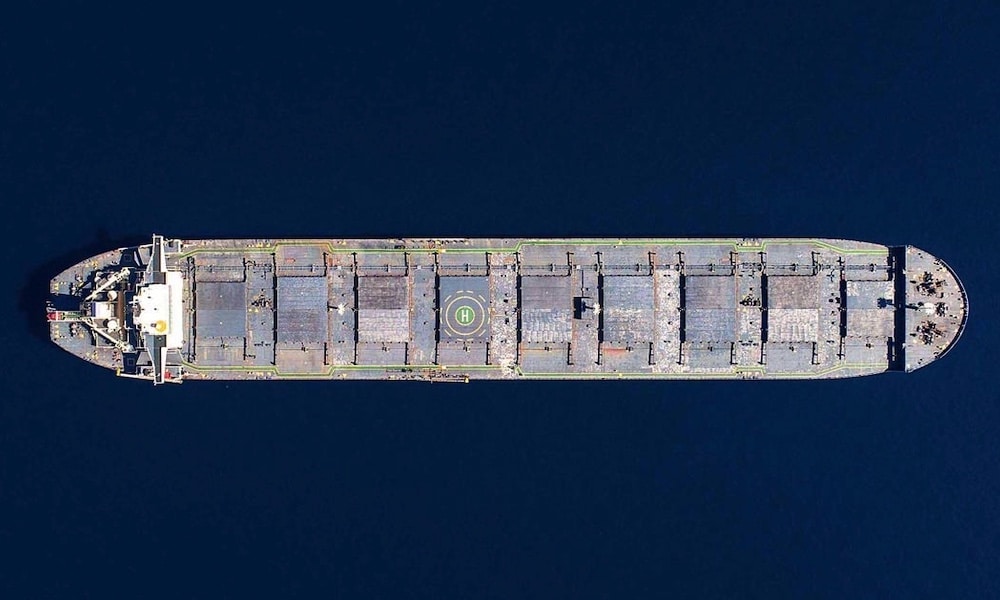
The sale and purchase market for bulk carriers has shown resilience this week, with asset prices for large bulkers on the rise despite ongoing geopolitical tensions. Brokers report a robust demand for capesize tonnage, with several transactions occurring weekly. A significant highlight in the market is the recent sale of the Japanese-built bulker, Frontier Garland. The 181,000 deadweight ton (dwt) vessel, constructed by Imabari in 2011, was sold to Greek interests for $36.4 million. This transaction underscores the strong interest in high-quality vessels, as the Frontier Garland is noted to be in excellent condition, having successfully passed its special survey in 2024, with the next drydocking scheduled for 2029.
This latest sale represents a notable increase in value compared to a similar transaction earlier this year. In mid-January, the 174,800 dwt Frontier Kotobuki, also built in Japan by Namura in 2011, was sold for $31.4 million. This indicates a price rise of approximately 15% for comparable Japanese-built tonnage within just two months, reflecting the growing confidence in the market.
Market Trends and Buyer Dynamics
The Frontier Kotobuki was acquired by Global Chartering, a joint venture between steel giant ArcelorMittal and shipping firm DryLog, owned by Peter Livanos. Following its sale, the vessel underwent a fresh special survey and was delivered to its new owners in February, subsequently being renamed GCL Fos. This transaction highlights the trend of asset-rich companies actively seeking to expand their fleets, particularly in the capesize segment.
Currently, the two vessels sold are in the mid-teens in terms of age, while most transactions in this segment involve slightly older ships. Notably, Chinese buyers have been actively purchasing aging capesize vessels, primarily from Greek sellers. The market for 2005-built capes has stabilized, with prices ranging from the high-teens to low $20 million. In contrast, modern eco-friendly units are commanding prices exceeding $70 million, indicating a clear distinction in value based on vessel age and specifications.
