
Japan Moves to Tighten Antarctic Tourism Regulations
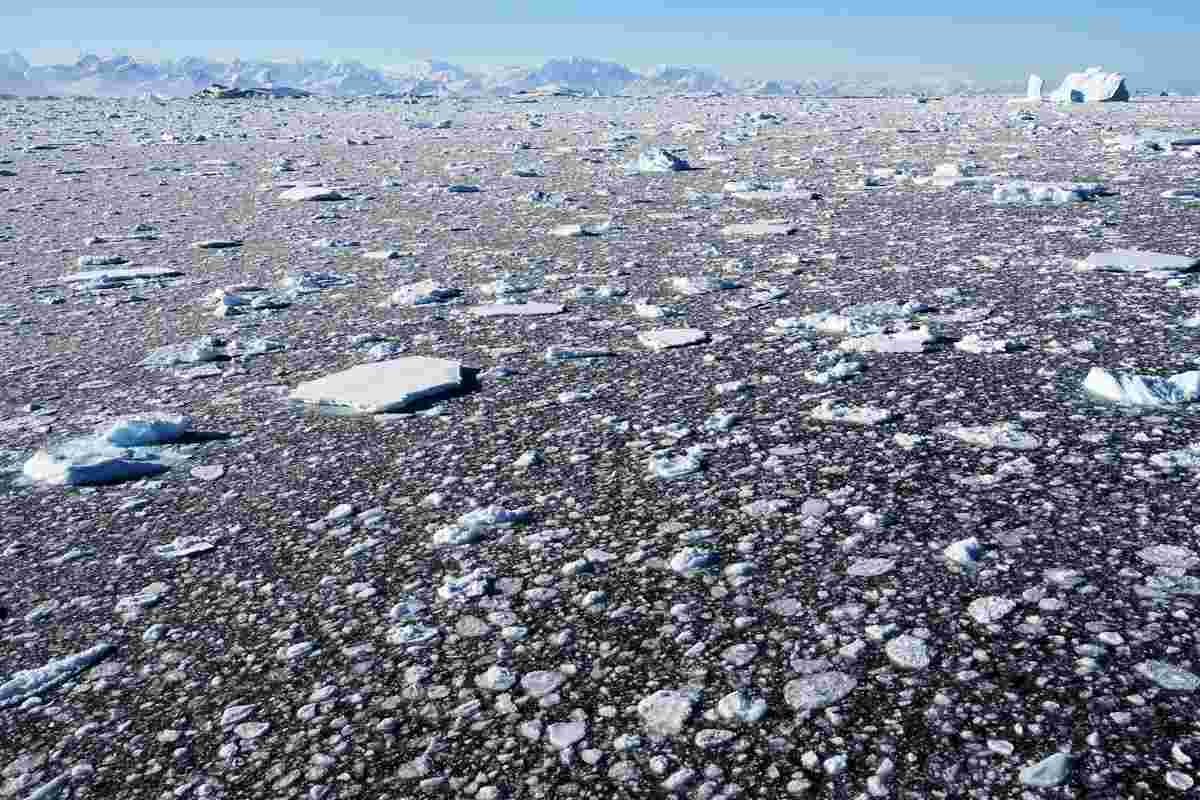
The Japanese Environment Ministry is taking decisive action to enhance regulations for tourist boats operating in Antarctica, particularly in response to potential environmental disasters like oil spills. The proposed measures will require travel agencies to manage cleanup efforts and report incidents to the government. With Antarctic tourism on the rise, Japan aims to lead international efforts in safeguarding the continent’s fragile ecosystem.
New Regulations to Address Environmental Risks
In a bid to prevent environmental damage in Antarctica, the Environment Ministry plans to introduce a bill to amend the Law relating to Protection of the Environment in Antarctica during the current Diet session. This legislation will impose strict requirements on tour organizers in the event of accidents involving Japanese sightseeing boats operating south of 60 degrees latitude. If an oil spill occurs, the travel agency responsible for the tour will be mandated to clean up the spill and take immediate action to minimize environmental harm.
Moreover, tour organizers will need to develop an emergency response plan prior to the trip and inform the environment minister if an incident occurs. Should an accident lead to significant contamination that necessitates government intervention for oil recovery and wildlife cleanup, the state will have the authority to recover costs from the tour organizer. These regulations will extend to various modes of transportation, including sightseeing boats, research vessels, aircraft, and snowmobiles.
Antarctic Tourism Boom Sparks Regulatory Changes
The push for stricter regulations comes amid a notable increase in Antarctic tourism. Enhanced ship capabilities and growing interest in observing the continent’s unique wildlife and landscapes have led to a surge in visitors. According to the International Association of Antarctica Tour Operators, approximately 80,000 tourists visited the continent during the 2024-2025 season, a stark increase from just 20,000 in the 2010-2011 season.
Tightening Bunker Fuel Supply Signals Strain in Global Energy Markets
Historically, incidents involving grounded ships and crashed aircraft have resulted in numerous oil spills in the region. However, there are currently no comprehensive international regulations governing liability for environmental damage in such cases. In 2005, a consultative meeting among nations engaged in Antarctic research adopted Annex VI to the Protocol on Environmental Protection to the Antarctic Treaty, which addresses liability issues. Unfortunately, many countries, including Japan, have yet to sign this annex due to concerns over restrictions on certain activities.
As the host of the upcoming Antarctic Treaty Consultative Meeting in Hiroshima this May, Japan is poised to announce its intention to sign the annex. The government is proactively establishing a domestic legal framework to align with forthcoming international regulations aimed at protecting Antarctica’s environment.
