
Philippines Secures Safe Passage Deal with Iran Amid Regional Tensions
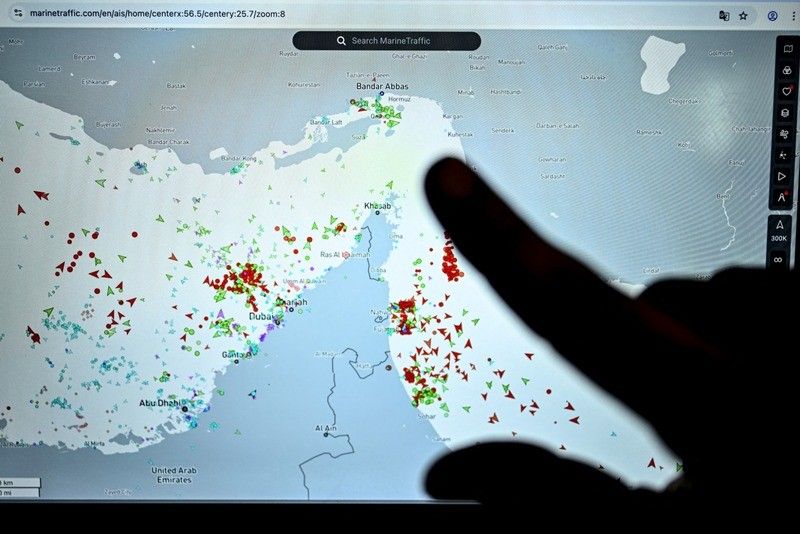
MANILA, Philippines — The Philippine government has successfully negotiated a safe passage agreement with Iran, allowing Philippine-flagged vessels to transit the strategically vital Strait of Hormuz. This arrangement, confirmed during a recent diplomatic exchange between Manila and Tehran, aims to ensure the safe passage of goods and crew amid ongoing geopolitical tensions. Malacañang has assured that this deal will not jeopardize the Philippines’ alliance with the United States.
Details of the Agreement
The agreement was reached following a phone call between the foreign ministers of the Philippines and Iran. Palace Press Officer Claire Castro emphasized that the deal encompasses all Philippine-bound goods, not just oil. “When we say they can pass, it means all Philippine products or Philippine-bound goods that we benefit from,” Castro stated during a press briefing. The Philippine government is currently awaiting responses from Tehran regarding the transit of bulk carriers with Filipino seafarers.
Castro also highlighted that the Philippines has previously engaged in transactions with other nations, including a recent purchase of Russian crude oil, without facing objections from the U.S. This reflects Manila’s approach to maintaining its diplomatic relations with countries on the opposite side of the U.S.-led conflict in Iran. The Philippines, a treaty ally of the U.S. that hosts American troops under the Enhanced Defense Cooperation Agreement, has been designated as “non-hostile” by Tehran.
Implications for Fuel Prices and Supply
Despite the positive implications of the safe passage agreement, the Philippine government has moved to temper expectations regarding fuel prices. Castro, citing Energy Secretary Sharon Garin, clarified that the arrangement is focused on securing supply rather than reducing costs at the pump. “This is about the safe passage of Philippine cargo, Philippine-bound goods, and Philippine crew — price is not what’s being discussed here,” she explained.
The exact impact of the deal on the Philippines’ fuel reserves remains uncertain, with further discussions scheduled to clarify the specifics. The government is committed to ensuring a steady supply of petroleum products to the country, especially amid rising fuel prices that have sparked public discontent.
Indian LPG Tankers Safely Navigate Conflict Zone Amid Ongoing Tensions
Regional Context and Ongoing Tensions
The Philippines’ agreement with Iran places it among several nations that have negotiated similar arrangements to navigate the Strait of Hormuz, a critical chokepoint for global oil and gas shipments. Countries such as China, Russia, India, and several others have also secured their own deals with Iran following the recent escalation of tensions in the region.
The backdrop of this agreement includes the ongoing U.S. military campaign aimed at reopening the Strait of Hormuz, which has faced significant challenges. The conflict intensified after a U.S. and Israeli operation resulted in the death of Iranian Supreme Leader Ayatollah Ali Khamenei, prompting Iran to assert control over the strait. As the U.S. continues to press its allies for support in this endeavor, the Philippines’ proactive approach reflects its strategic interests in maintaining trade routes and securing energy supplies amidst a complex geopolitical landscape.
