
US-Iran Talks Fail to Resolve Shipping Crisis in Strait of Hormuz
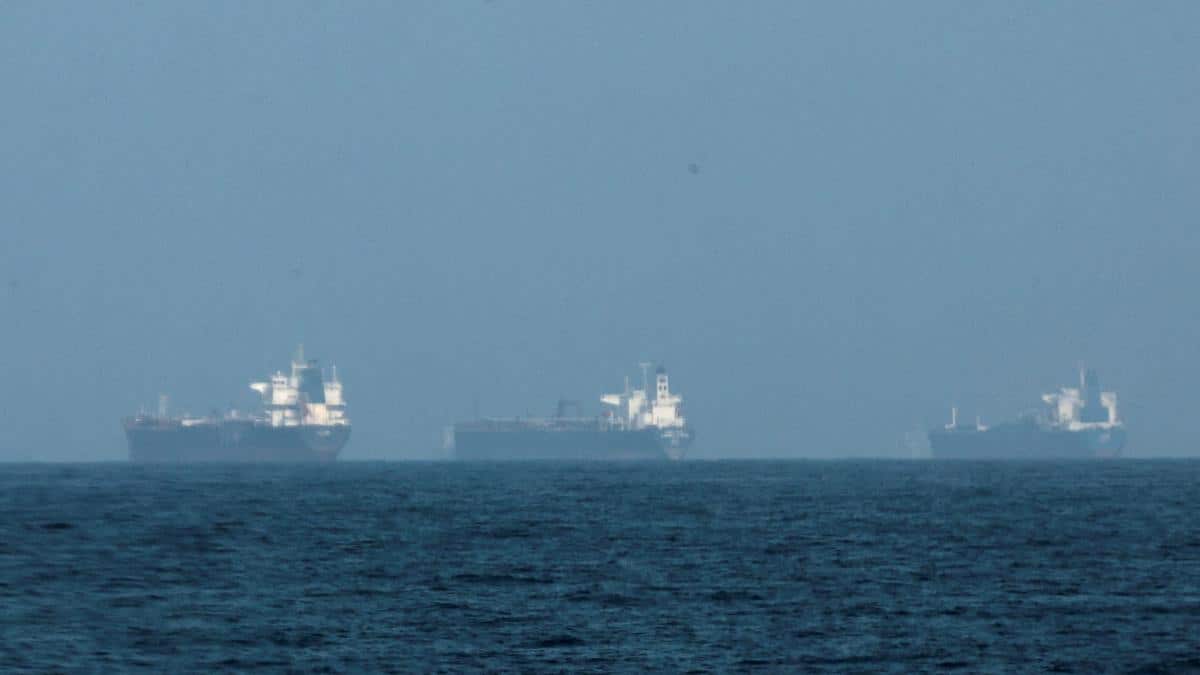
The fate of 599 ships, carrying nearly 20,000 seafarers and billions of dollars in cargo, hangs in the balance following inconclusive US-Iran discussions in Islamabad. The talks, aimed at addressing ongoing tensions in the Strait of Hormuz, ended without a resolution, leaving vessel movement through this critical maritime chokepoint severely disrupted. Despite a ceasefire announcement on April 7, normal shipping operations have yet to resume, exacerbating the uncertainty for maritime trade in the region.
Data from Lloyd’s List, a UK-based maritime intelligence service, reveals a stark decline in vessel crossings. Only 15 ships crossed the Strait on April 7, followed by a mere six on April 9. This is a significant drop from the pre-conflict average of nearly 140 daily crossings. Since March 1, the number of vessels transiting the Strait has fluctuated between five and 15, highlighting the operational risks and instability that continue to plague the area.
Impact on Global Trade and Regional Economies
Among the stranded fleet are 285 tankers, 177 bulk carriers, and 57 container ships, with the remainder consisting of gas and general cargo vessels. The situation is particularly concerning for India, which relies heavily on imports for its crude oil—88 percent of its total supply, with 46 percent sourced from West Asia. The ongoing disruptions in the Strait of Hormuz could have significant implications for India’s economy, especially with rising crude oil prices.
A report by Rubix Data Sciences and Vayana TradeXchange indicates that every $10 increase in crude prices could inflate India’s annual import bill by $13 to $14 billion. This spike in costs could lead to higher inflation and affect trade balances. Furthermore, export sectors, particularly rice shipments, are beginning to feel the strain from increased freight costs and shipping delays. The report also notes that remittances, which account for 38 percent of India’s total from Gulf countries, could face volatility if regional economic conditions deteriorate.
The situation is compounded by Iranian officials’ insistence that vessels must coordinate with the Islamic Revolutionary Guard Corps (IRGC) for passage. Reports suggest that some ships have received warnings against unauthorized transit, adding to the confusion and risk for shipping companies. Additionally, there are concerns about a potential “toll” regime that, while not officially announced, raises legal and sanctions-related issues for shipowners navigating these troubled waters.
