
Iran Solidifies Control Over the Strait of Hormuz Following Ceasefire
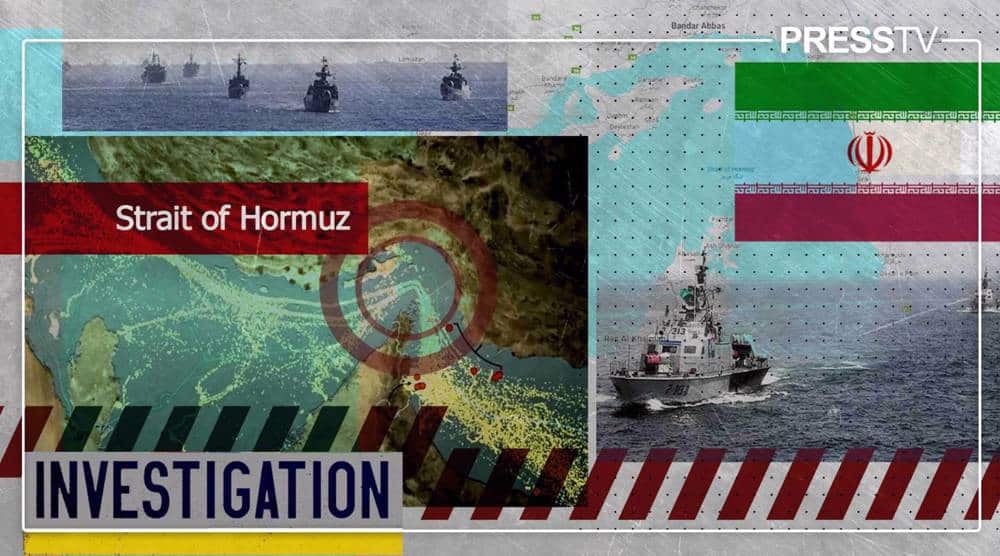
After a prolonged conflict lasting forty days, Iran has successfully asserted its dominance over the Strait of Hormuz, a critical maritime chokepoint for global energy supplies. The ceasefire, which took effect on April 8, 2026, marked the end of hostilities initiated by a joint U.S.-Israeli operation on February 28. Analysts have widely characterized this outcome as a significant victory for Iran, as the strait remains under its effective management. This narrow waterway, measuring just 21 nautical miles at its narrowest point, is vital for global energy trade, with approximately 20.9 million barrels of oil and a substantial portion of liquefied natural gas (LNG) passing through daily.
Iran’s strategic positioning along the strait, with over 1,600 kilometers of coastline and strategically located islands, provides it with a permanent leverage point in the region. The Islamic Revolutionary Guard Corps (IRGC) Navy utilizes these islands as bases for surveillance and military operations, reinforcing Iran’s control over this essential maritime route. Ayatollah Seyyed Mojtaba Khamenei, the Leader of the Islamic Revolution, emphasized that Iran will elevate its management of the strait to a new phase, transforming its geographic advantage into enduring economic and strategic power.
The Geopolitical Significance of the Strait of Hormuz
The Strait of Hormuz is not merely a passage for vessels; it is the backbone of the global energy system. Under normal circumstances, around 130 to 140 ships transit the strait daily, translating to approximately 48,000 to 50,000 vessels annually. Oil and gas tankers make up a significant portion of this traffic, with Very Large Crude Carriers (VLCCs) frequently navigating these waters. The economic implications are staggering, with the energy value transiting the strait exceeding $1 billion per day.
However, the recent conflict has dramatically altered this landscape. By early March 2026, the number of vessels transiting the strait plummeted to near zero, with over 1,000 foreign-flagged ships trapped in the Persian Gulf. This disruption not only highlighted the strait’s importance but also demonstrated Iran’s ability to exert control without direct military confrontation. The rise in shipping insurance premiums and the declaration of force majeure by shipping companies underscored the economic ramifications of the conflict, leading to significant price shocks in global energy markets.
In response to the ongoing crisis, Iran has proposed a toll system for vessels transiting the strait, charging $1 per barrel of oil. This initiative could generate annual revenues between $70 billion and $100 billion, effectively monetizing its control over this vital waterway. The potential for such revenue positions Iran to leverage its geographic advantage into a formidable economic asset, rivaling the revenue generated by the Suez Canal.
Strategic Military Capabilities and Future Implications
Iran’s military strategy during the conflict has showcased its asymmetric capabilities, which allow it to maintain control over the Strait of Hormuz despite facing technologically superior adversaries. The use of low-cost drones and advanced naval mines has proven effective in deterring potential threats. The cost-effectiveness of Iran’s military assets, such as the Shahed-136 loitering munition, allows for a high volume of attacks that can overwhelm advanced defense systems.
Moreover, Iran’s ability to deploy naval mines poses a significant challenge to any coalition attempting to navigate the strait. The potential for prolonged disruption of maritime traffic serves as a powerful deterrent against military intervention. This strategic posture not only secures Iran’s interests but also positions it as a key player in global energy and food supply chains.
As the situation evolves, the Strait of Hormuz will remain a focal point of geopolitical tension and economic significance. Iran’s control over this vital waterway, coupled with its strategic military capabilities, ensures that it will continue to play a crucial role in shaping the dynamics of regional and global trade. The implications of this control extend beyond energy, affecting food security and economic stability worldwide, as Iran leverages its position to influence global markets.
