
New Shipping Regulations in the Strait of Hormuz: The Tehran Tollbooth
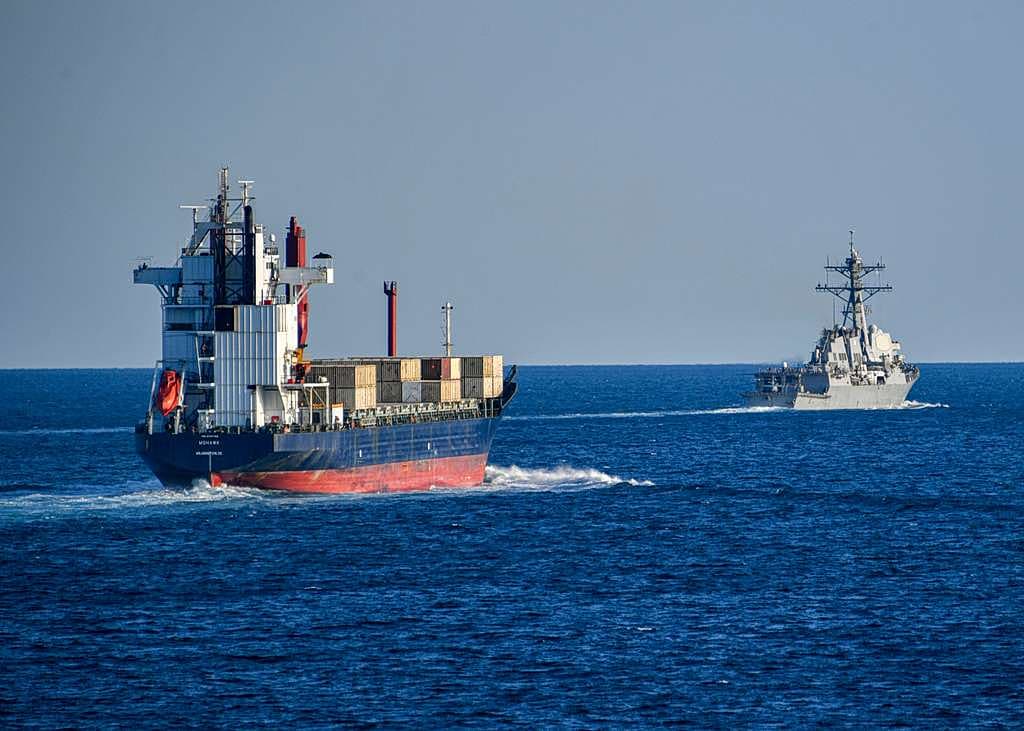
The Strait of Hormuz, a crucial maritime passage for global oil shipments, is now under a new regime of routes, permissions, and fees, informally dubbed the “Tehran Tollbooth.” This development follows Iran’s assertion of control over the waterway after a series of military actions involving the U.S. and Israel on February 28. As part of a cease-fire agreement negotiated with the U.S. earlier this month, Iran has announced a limit on the number of ships allowed to cross the strait, capping daily transits at approximately a dozen. This move has raised concerns among international shipping companies and prompted negotiations over toll payments, which can reach as high as $2 million for the largest supertankers.
Shipowners from various countries, including Greece, China, India, and Pakistan, are now required to negotiate their crossings with the Islamic Revolutionary Guard Corps (IRGC), Iran’s influential paramilitary group. Notably, Iranian vessels are exempt from these tolls, creating a significant disparity in operational costs for foreign shipping companies. The new toll regime has raised questions about the future of maritime trade in this vital region, especially as President Trump has stated that the cease-fire should lead to the full reopening of the strait.
Impact on Shipping and Insurance Costs
The implementation of the Tehran Tollbooth has led to a dramatic increase in shipping insurance premiums in the Persian Gulf. These premiums have surged to between 5% and 10% of a ship’s value, a stark rise from the average of 0.25% typically seen during peacetime. This increase reflects the heightened risks associated with navigating through the Strait of Hormuz under the current conditions.
Despite the ongoing negotiations and the toll regime, maritime traffic through the strait remains significantly reduced. Reports indicate that over 425 oil and fuel tankers, along with nearly 15 vessels carrying liquefied natural gas, are currently waiting to transit the waterway. This bottleneck highlights the challenges faced by shipping companies as they navigate the new regulations and the geopolitical tensions in the region.
The limited number of ships crossing the strait includes tankers transporting Iranian crude oil to China and liquefied petroleum gas (LPG) to customers primarily in India. Additionally, dry bulk carriers are moving essential commodities such as soybeans, corn, and rice to Iran. As the situation evolves, the international shipping community continues to monitor developments closely, weighing the implications of the Tehran Tollbooth on global trade and maritime security.
