
Vacuum Insulated Glass Revolutionizes Energy Retrofit Projects Across North America and Europe
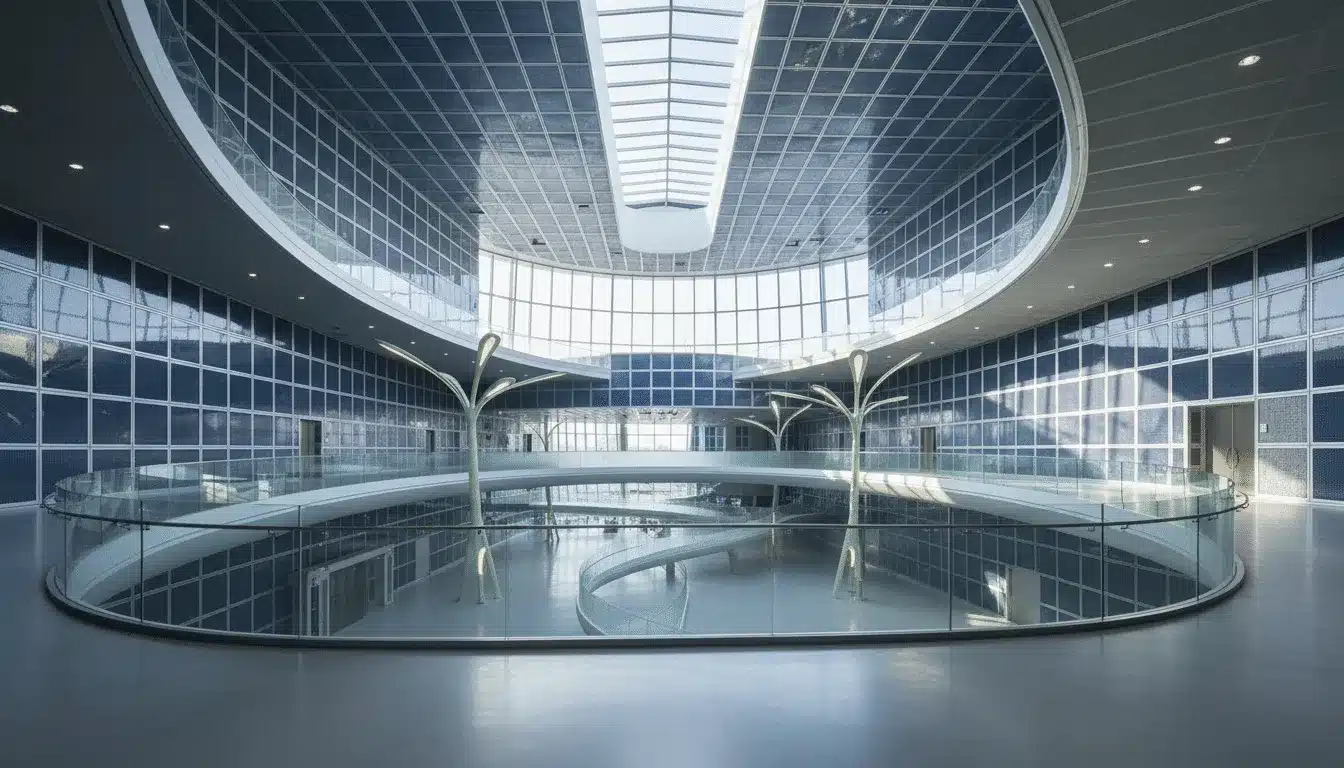
As the global push for low-carbon and energy-efficient buildings intensifies, Vacuum Insulated Glass (VIG) is emerging as a pivotal technology in energy retrofit projects. This innovative glass solution is gaining traction across North America and Europe, significantly enhancing the energy efficiency of existing buildings. The adoption of VIG is expected to accelerate as building owners and developers seek to comply with stringent energy regulations and reduce their carbon footprints.
Key Benefits of Vacuum Insulated Glass
Vacuum Insulated Glass offers numerous advantages that make it an attractive option for energy retrofitting. One of its primary benefits is its superior thermal insulation properties. VIG consists of two glass panes separated by a vacuum, which minimizes heat transfer. This design allows buildings to maintain comfortable indoor temperatures while reducing reliance on heating and cooling systems. As a result, energy consumption is significantly lowered, leading to reduced utility costs for building owners.
Moreover, VIG is lightweight and can be integrated into various architectural styles, making it suitable for both modern and historical buildings. Its thin profile allows for easy installation without compromising the aesthetic appeal of structures. This versatility is particularly important for retrofitting projects, where maintaining the original character of a building is often a priority.
In addition to energy savings, the use of VIG can contribute to improved indoor air quality. By reducing the need for mechanical heating and cooling, buildings can achieve better ventilation and lower humidity levels. This creates a healthier environment for occupants, aligning with the growing emphasis on wellness in building design.
ABS Approves Innovative Hydrogen Vacuum Insulation System from HD KSOE
The Future of Energy-Efficient Buildings
The increasing adoption of Vacuum Insulated Glass is a clear indicator of the construction industry’s shift towards sustainability. As governments and organizations implement stricter energy efficiency standards, VIG is poised to play a crucial role in helping buildings meet these requirements. The technology not only supports compliance with energy regulations but also aligns with broader environmental goals aimed at reducing greenhouse gas emissions.
