
US Navy Faces Challenges in Strait of Hormuz Amid Rising Tensions
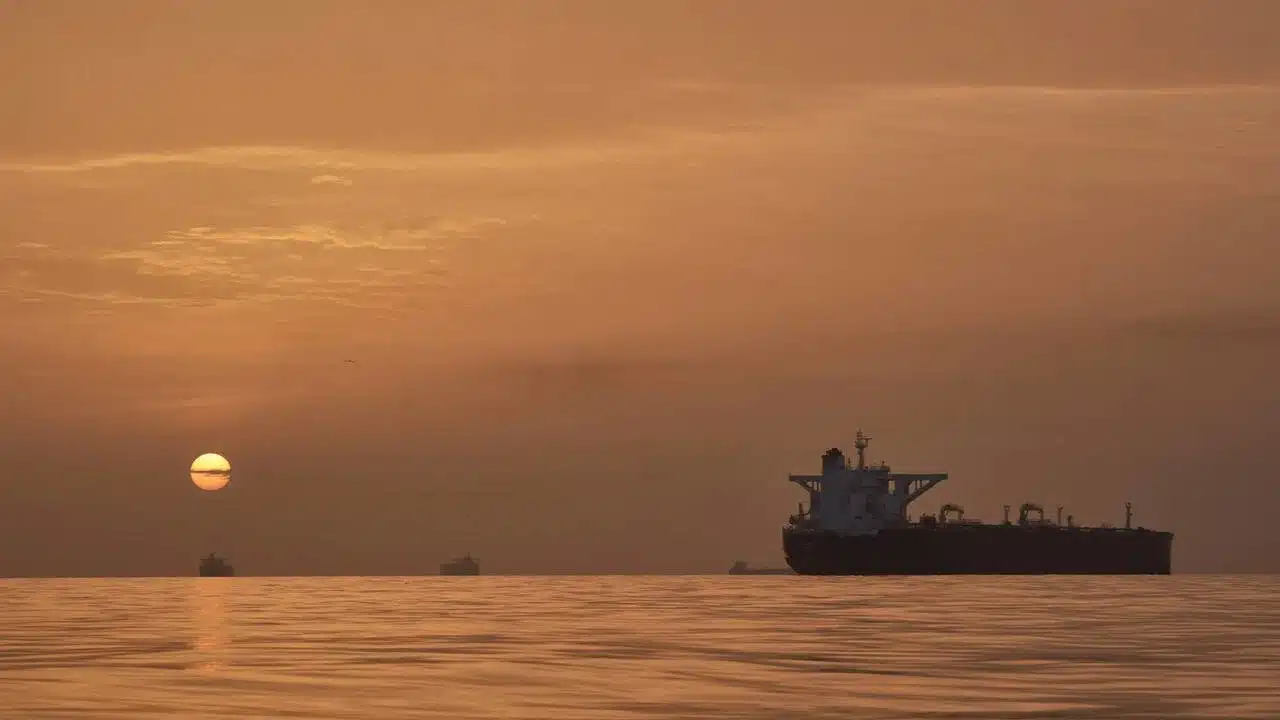
Naval mines and aggressive tactics from Iranian forces are once again raising concerns for oil tankers navigating the Strait of Hormuz. This strategic waterway is vital, as it accounts for approximately 20% of the world’s traded oil and natural gas. The United States is contemplating a more assertive military presence in the region, reminiscent of the “Tanker War” during the 1980s. This historical conflict saw Iran targeting shipping routes amid its war with Iraq, prompting US warships to escort Kuwaiti tankers to safeguard the flow of crude oil to global markets.
President Donald Trump recently ordered the military to take decisive action against small Iranian boats, stating they should be “shot and killed” if they threaten US interests. However, the complexities of modern warfare and the evolution of military technology present significant challenges to any potential US naval operations in the Strait of Hormuz today. Unlike the clear objectives of the 1980s, the current situation lacks defined goals, and international shipping companies may hesitate to rely on US Navy escorts due to the heightened risks involved.
Iran’s Small Boat Tactics Pose Significant Threat
The Iranian Revolutionary Guard has effectively utilized small boats to challenge larger naval vessels, adapting to international sanctions that limit their access to advanced military hardware. These small, often civilian-looking vessels are armed with Soviet-era heavy machine guns and rocket launchers, allowing them to engage in aggressive tactics against US naval forces. Recently, the Guard seized two cargo ships, showcasing their ability to disrupt maritime operations in the region.
The ongoing conflict between Iran and the US, now intensified by the blockade imposed by the American Navy, has enabled the Revolutionary Guard to leverage its limited resources to threaten the global economy. The recent seizures of cargo ships highlight the precarious nature of maritime security in the Strait of Hormuz, where the potential for escalation remains high.
Lessons from the ‘Tanker War’ and Future Implications
The “Tanker War” of the 1980s emerged from the broader conflict between Iraq and Iran, where both nations targeted each other’s oil infrastructure. The US intervened by escorting Kuwaiti tankers under “Operation Earnest Will,” aiming to maintain the flow of oil. However, this operation was fraught with danger, including incidents where US vessels were attacked, leading to significant casualties.
Japanese Bulk Carrier Navigates Strait of Hormuz Under Deceptive Tactics
Today, replicating the success of the “Tanker War” poses considerable challenges. Analysts suggest that the evolution of military technology, particularly in asymmetric warfare, complicates the task of securing maritime routes. The US would need to establish a robust defense against potential Iranian attacks, which could include missiles, drones, or fast boats. Without a clear strategy to mitigate these threats, the situation in the Strait of Hormuz remains volatile.
European nations have expressed reluctance to join US-led missions to escort vessels, preferring to wait until the conflict subsides. The lack of a unified approach and the shifting goals of US policy further complicate the prospects for ensuring safe passage through this critical maritime corridor. As tensions continue to rise, the international community watches closely, aware that the stakes are high for global energy markets and regional stability.
