
Dry Bulk and Ore Carrier Classifications
Understanding the Workhorses of Global Commodity Trade
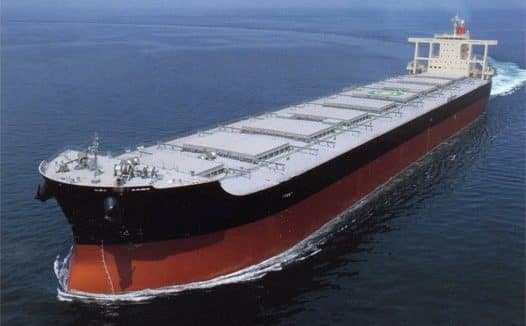
Dry bulk carriers rank among the most essential vessels in global shipping. These robust ships transport the raw materials that fuel industries and feed nations. Iron ore, coal, grain, bauxite and fertilisers move across oceans in their vast cargo holds. Without bulk carriers, modern manufacturing and agriculture would grind to a halt.
The industry classifies bulk carriers by their deadweight tonnage (DWT). This measurement represents the total weight a vessel can safely carry, including cargo, fuel, fresh water, stores and crew. Each size category serves distinct trade routes and port requirements. Understanding these classifications helps charterers, port operators and commodity traders optimise their logistics chains.
The Four Classes of Dry Bulk Carriers
| Vessel Class | DWT Range | Primary Cargoes |
| Capesize | 100,000+ DWT | Iron ore, coal |
| Panamax | 65,000-99,999 DWT | Grain, coal, minor bulks |
| Handymax | 40,000-64,999 DWT | Grain, steel, cement, fertiliser |
| Handysize | 10,000-39,999 DWT | General bulks, agricultural products |
Capesize Bulk Carriers
Capesize vessels represent the giants of the dry bulk fleet. These massive ships measure 100,000 DWT and above, with many modern designs exceeding 180,000 DWT. The name originates from their traditional routing around the Cape of Good Hope and Cape Horn, as they were too large to transit the Suez and Panama canals.
Iron ore and coal dominate Capesize trades. These vessels shuttle between major mining regions in Australia, Brazil and South Africa to industrial powerhouses in China, Japan and South Korea. A single Capesize voyage can deliver enough iron ore to produce steel for thousands of automobiles.
Due to their sheer size, Capesizers require deep-water ports with specialised infrastructure. Only a handful of terminals worldwide can accommodate fully laden vessels of this class. Many discharge cargo through transhipment operations or dedicated offshore facilities. The Baltic Capesize Index serves as a key benchmark for tracking freight rates in this segment.
Panamax Bulk Carriers
Panamax bulk carriers range from 65,000 to 99,999 DWT. The class takes its name from the Panama Canal, as these vessels were historically the largest that could transit the original canal locks. Standard dimensions included a maximum beam of 32.3 metres and length of 294 metres.
The expanded Panama Canal, completed in 2016, now accommodates much larger vessels. However, the Panamax designation persists as an industry standard. These ships serve diverse trades including grain exports from the Americas, coal movements from Indonesia and Australia, and various minor bulk commodities.
Panamax vessels offer an attractive balance between cargo capacity and port accessibility. They can call at a wider range of terminals than Capesizers while still achieving meaningful economies of scale. This versatility makes them popular among charterers seeking operational flexibility.
Handymax Bulk Carriers
Handymax carriers occupy the 40,000 to 64,999 DWT range. Within this category, larger vessels between 50,000 and 64,999 DWT are often termed Supramax or Ultramax. These modern designs typically feature five cargo holds and four deck-mounted cranes.
Self-loading and self-discharging capability distinguishes many Handymax vessels. Their onboard cranes can handle cargo at ports lacking shore-based equipment. This feature proves invaluable for trades involving developing regions or smaller terminals with limited infrastructure.
Handymax ships carry an eclectic mix of cargoes. Grain, steel products, cement, fertilisers, forest products and scrap metal all move aboard these versatile vessels. Their moderate size allows access to river ports and smaller harbours that larger bulk carriers cannot enter.
Handysize Bulk Carriers
Handysize bulk carriers measure between 10,000 and 39,999 DWT. They represent the smallest mainstream category in the dry bulk sector. Despite their modest dimensions, Handysize vessels form the most numerous class in the global bulk fleet.
Flexibility defines the Handysize segment. These nimble ships can navigate shallow draughts, transit narrow waterways and berth at constrained terminals. Many feature cargo gear that enables operations independent of port equipment. This self-sufficiency opens doors to trades that larger vessels cannot serve.
Regional and coastal trades rely heavily on Handysize tonnage. Agricultural products, construction materials, minor minerals and packaged goods all travel aboard these vessels. For emerging economies with developing port infrastructure, Handysize carriers often provide the only practical option for bulk imports and exports.
Understanding Bulk Cargo Characteristics
Bulk cargoes fall into two broad categories: major bulks and minor bulks. Iron ore, coal and grain constitute the major bulks, accounting for the majority of seaborne dry bulk trade by volume. These commodities drive demand for larger vessel classes.
Minor bulks encompass everything else. This diverse group includes bauxite, phosphate rock, steel products, cement, sugar, salt, sulphur and forest products. Smaller vessel classes typically handle these trades due to parcel sizes and port limitations.
Cargo density affects vessel utilisation significantly. Dense cargoes like iron ore fill a ship’s deadweight capacity before occupying all available hold space. Lighter cargoes such as grain may fill the holds completely while leaving deadweight capacity unused. Naval architects design vessels with specific cargo profiles in mind.
Market Dynamics and Vessel Selection
Freight rates fluctuate based on supply and demand fundamentals. The Baltic Dry Index aggregates rates across vessel classes, providing a widely watched barometer of global trade activity. Individual indices track each size segment separately.
Charterers select vessel classes based on multiple factors. Cargo volume, voyage distance, port restrictions and freight economics all influence decisions. Longer voyages favour larger vessels that benefit from economies of scale. Shorter routes or draft-restricted ports may require smaller tonnage despite higher per-tonne costs.
Seasonal patterns affect different segments distinctly. Grain harvest seasons drive Panamax and Handymax demand. Coal imports for winter heating influence Capesize and Panamax markets. Understanding these cycles helps traders and operators position themselves advantageously.
Conclusion
Dry bulk carriers form the backbone of global commodity logistics. From mighty Capesizers hauling iron ore across hemispheres to nimble Handysize vessels serving regional trades, each class fulfils a vital role. The classification system enables efficient matching of vessels to cargoes, routes and port capabilities.
As global trade patterns evolve, so too does the bulk carrier fleet. Environmental regulations drive investment in fuel-efficient designs across all segments. New trade routes emerge while traditional patterns shift. Through it all, the fundamental logic of bulk carrier classification endures. Size, capability and operational flexibility will always determine how the world’s raw materials reach their destinations.
