
Escalating Tensions in the Strait of Hormuz
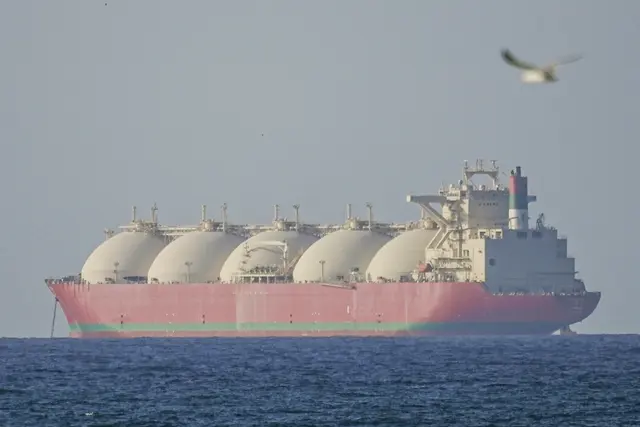
Tensions in the Middle East have intensified as Iran reinstated strict controls on vessel movement through the Strait of Hormuz, just a day after announcing its reopening. This sudden shift has raised alarms about potential hostilities between Tehran and Washington, further unsettling global energy markets. U.S. President Donald Trump responded firmly, stating that the U.S. will not be “blackmailed” by Iran and reaffirming Washington’s commitment to maintaining pressure on Tehran.
Iranian military officials attributed the reimposition of restrictions to what they termed a U.S. blockade of Iranian ports. They declared that the Strait of Hormuz would remain under strict control unless the U.S. guarantees unrestricted maritime access for Iranian vessels. The Iranian statement emphasized that the country had initially agreed to allow limited passage for oil tankers and commercial ships but felt compelled to reverse this decision due to ongoing U.S. actions.
Iran’s Deputy Foreign Minister, Saeed Khatibzadeh, criticized Trump’s remarks as inconsistent and counterproductive, emphasizing that security should be a mutual concern. He warned that any extension of the current ceasefire would depend on the U.S. abandoning its “maximalist” negotiating stance. Khatibzadeh asserted that Iran would defend itself vigorously, indicating a readiness for continued confrontation.
International Reactions and Maritime Incidents
The situation has drawn significant international attention, particularly from India, which summoned Iran’s ambassador following reports of Indian-flagged vessels being caught in the crossfire. India’s Foreign Secretary, Vikram Misri, expressed deep concern over the safety of merchant shipping in the region and urged Iran to facilitate the passage of India-bound ships through the Strait. The immediate impact of Iran’s renewed restrictions was evident, as numerous vessels began to alter their courses to avoid entering the Strait, with marine tracking data showing tankers turning back toward the Gulf.
In a concerning development, the UK Maritime Trade Operations (UKMTO) confirmed that two Iranian Revolutionary Guard Corps (IRGC) gunboats fired upon a tanker in the Strait, marking the first such incident in over ten days. Although the vessel and its crew were reported safe, the attack underscores the rising risks in this critical maritime corridor. Additionally, a container ship was struck by an unidentified projectile, causing damage but no casualties. The incidents involved multiple internationally-flagged vessels, including at least two Indian-flagged ships, escalating the crisis further.
U.S. Blockade and Iranian Control Measures
The U.S. military, operating under Central Command (CENTCOM), confirmed that its blockade operations have forced numerous vessels to change course. Since the blockade’s initiation, 23 ships have complied with U.S. directives to turn around. While the blockade does not directly target the Strait, its effects on Iranian shipping have significantly disrupted maritime movement in the region. Iran has labeled the blockade a violation of the ceasefire, asserting that it will not permit normal passage through the Strait under these conditions.
In a recent statement, a senior Iranian official indicated that the country would prioritize vessels that pay fees to cross the Strait of Hormuz, effectively placing this vital shipping lane under Iranian administrative control. Ships that do not comply with the payment requirements would face postponed passage. Amid these developments, Iran’s Supreme Leader Mojtaba Khamenei issued a warning to adversaries, asserting that Iran’s navy is prepared to respond decisively to any threats.
As regional powers seek to de-escalate the crisis, diplomatic efforts are underway. Foreign ministers from Pakistan, Saudi Arabia, Turkey, and Egypt have convened to advocate for renewed negotiations, with cautious optimism expressed about reaching an agreement between the U.S. and Iran in the near future.
