
Israel’s Controversial Grain Imports from Occupied Ukraine Spark Diplomatic Tensions
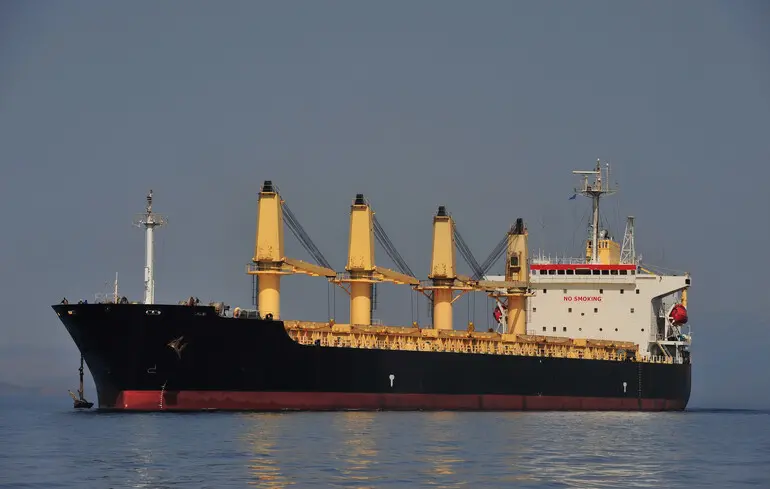
On April 12, 2023, Israel permitted the Russian bulk carrier ABINSK to dock at Haifa, carrying 43,700 tonnes of wheat sourced from occupied Ukrainian territories. This decision has ignited a diplomatic dispute, as Ukraine’s Foreign Minister Andrii Sybiha promptly expressed his country’s disapproval to Israeli officials. Despite Ukraine’s protests, a second vessel, the Panormitis, arrived in Haifa on April 27, loaded with over 25,000 tonnes of grain looted from Ukraine. Ukrainian officials have since raised concerns about Israel’s apparent disregard for the legality of these shipments.
The Context of Grain Seizures
The grain in question is not merely a commodity; it is a product of conflict. Ukrainian grain from occupied regions is described as “blood-soaked,” cultivated under perilous conditions and seized through force. The Ukrainian Foreign Ministry has stated that it sent numerous messages to Israel regarding these shipments, but the response has been dismissive. Heorhii Tykhyi, a spokesperson for the ministry, noted that Israel considers the information provided by Ukraine to be insufficient for action.
Russia, despite being one of the world’s leading wheat producers, has turned to Ukrainian grain to bolster its economy amid ongoing sanctions. Initially, Russia attempted to sell the grain openly but faced challenges finding buyers willing to overlook ethical concerns. Consequently, a more clandestine approach was adopted, blending stolen Ukrainian grain with Russian wheat and selling it as domestic produce. This strategy has led to a significant increase in Russian wheat exports, raising questions about the origins of the grain being sold.
Diplomatic Fallout and Future Implications
The situation escalated when Ukrainian diplomats provided Israeli authorities with satellite imagery and documentation proving the origins of the grain shipments. However, Israel’s response was lackluster, with officials stating they were awaiting formal requests for legal assistance. Despite Ukraine’s efforts to engage diplomatically, the Israeli government has not taken decisive action against the vessels.
As tensions rise, Ukraine has submitted another request for legal assistance to both the Israeli Foreign Ministry and Justice Ministry. Ukrainian lawyers have also approached Israel’s Attorney General directly. The urgency of the situation is underscored by planned protests in Israel against companies involved in importing the contested grain.
The potential outcomes of this diplomatic standoff remain uncertain. If the Panormitis is allowed to unload its cargo, it could set a precedent for future shipments of stolen grain. Conversely, if Ukraine successfully impounds the vessel and its cargo, it could signify a significant victory in the ongoing struggle against the illegal grain trade.
