
Trump Optimistic About Iran Peace Talks Amid Ceasefire Uncertainty
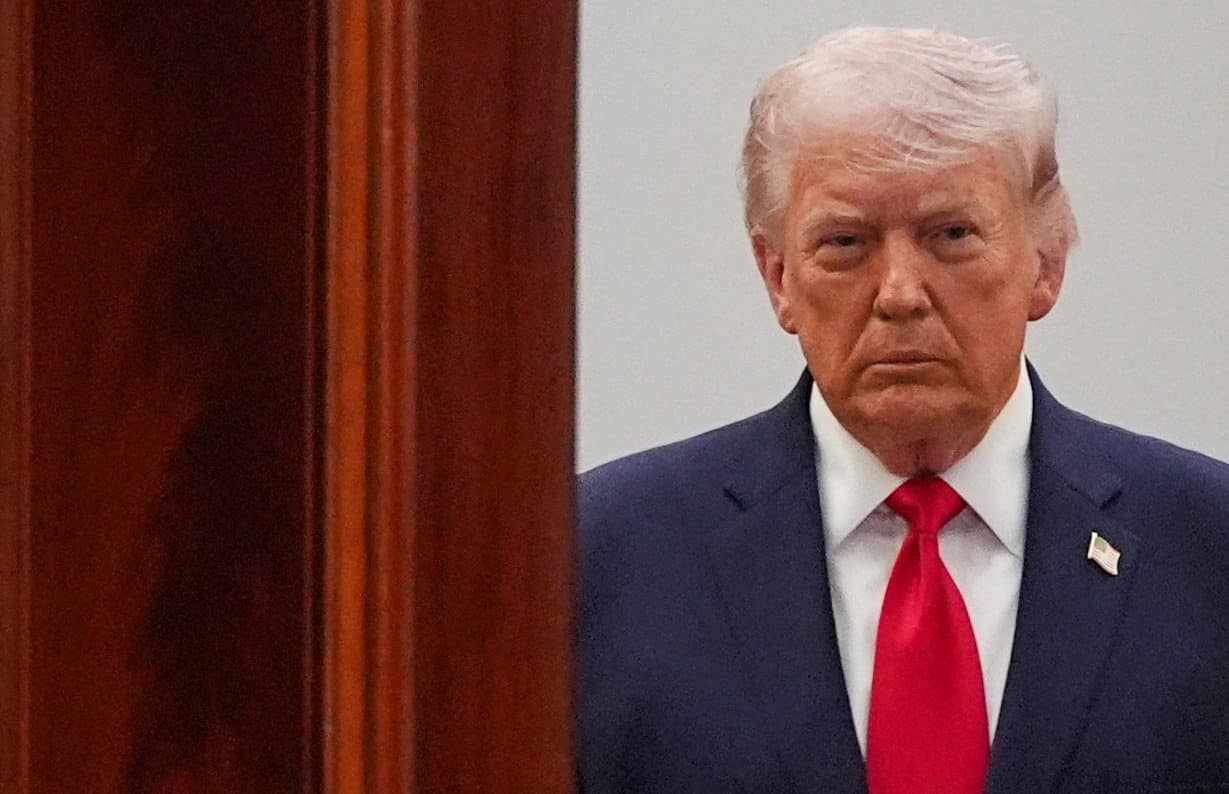
US President Donald Trump expressed cautious optimism regarding peace talks with Iran, indicating that there has been “some pretty good news” about the ongoing conflict. However, he warned that the current ceasefire may not be extended unless a comprehensive deal is reached by Wednesday. This statement came as Iran temporarily reopened the strategic Strait of Hormuz, following a separate ceasefire agreement between Israel and Lebanon. Despite this reopening, uncertainty looms over the speed at which shipping operations can return to normal through this vital global oil passage.
During a flight back to Washington from Phoenix, Arizona, Trump mentioned that negotiations would continue over the weekend, suggesting that progress was being made. “It seems to be going very well in the Middle East with Iran,” he stated, although he did not provide specific details about the positive developments. He also indicated that the US blockade of Iranian ports would persist unless a long-term agreement is finalized. The war with Iran, which began on February 28, has resulted in significant casualties and has driven oil prices up due to the de facto closure of the Strait of Hormuz, a critical route for global oil trade.
Challenges and Uncertainties Surrounding Negotiations
While Trump hinted at the possibility of direct talks between the US and Iran this weekend, some diplomats expressed skepticism about the feasibility of such meetings, particularly in Islamabad, where they are expected to take place. Preparations for these high-level discussions appeared to be lacking, raising questions about the likelihood of a successful outcome. The key mediator in these negotiations, Pakistani army chief Field Marshal Asim Munir, has been engaged in talks in Tehran, but no concrete agreements have emerged thus far.
Iran’s parliament speaker, Mohammad Baqer Qalibaf, added to the tension by stating that the Strait of Hormuz “will not remain open” if the US blockade continues. Meanwhile, Iran’s Foreign Minister Abbas Araqchi announced that the strait was open for commercial vessels for the duration of the 10-day truce agreed upon by Israel and Lebanon. However, vessel traffic data indicated that many ships turned back, likely due to safety concerns and the requirement for coordination with the Islamic Revolutionary Guard Corps, which was not previously necessary before the conflict.
Shipping companies are seeking clarifications regarding potential risks, including the presence of mines in the area. The US Navy has warned seafarers about the mine threat, advising them to consider avoiding the region altogether. As the situation evolves, the international community remains watchful, with more than a dozen countries expressing willingness to join a mission to protect shipping in the Strait of Hormuz when conditions allow.
Future of Iran’s Nuclear Program Remains Uncertain
The negotiations between the US and Iran also face significant hurdles regarding Tehran’s nuclear program, a critical issue in the peace talks. Trump has indicated that the US aims to remove Iran’s stockpiles of enriched uranium, while Iranian officials have firmly stated that these materials will not be transferred elsewhere. A senior Iranian official expressed hope for a preliminary agreement in the coming days, but gaps remain that need to be addressed.
Despite Trump’s optimistic outlook, Iranian sources have indicated that substantial differences still exist before a preliminary agreement can be reached. The US has proposed a 20-year suspension of all Iranian nuclear activities, while Iran has suggested a shorter halt of three to five years. As negotiations continue, the tone from Iranian clerics remains defiant, emphasizing that their nation will not negotiate under humiliation.
As the situation develops, oil prices have seen a decline of about 10%, and global stocks have reacted positively to the potential resumption of marine traffic through the Strait of Hormuz. However, the path to a lasting peace agreement remains fraught with challenges and uncertainties.
