U.S. opposition to IMO marine fuel rules leaves Japan in limbo
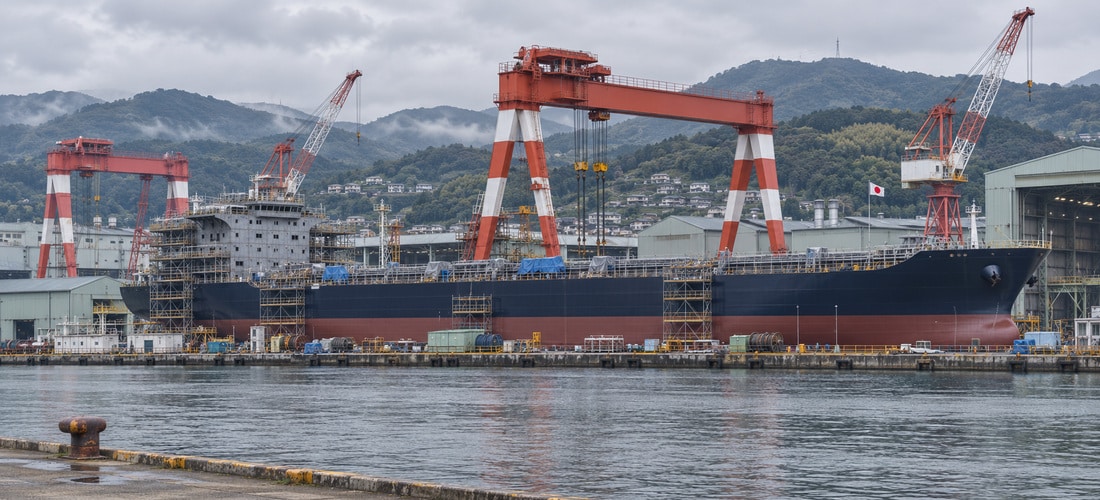
A disagreement between the United States and Europe is delaying the establishment of new international shipping standards focused on clean fuels. The clash centers on whether fuels like ammonia should be prioritized over liquefied natural gas (LNG). This deadlock is creating uncertainty for Japanese shipping companies and shipbuilders as they navigate their decarbonization plans. The International Maritime Organization (IMO), a UN agency, is currently meeting in London to discuss these regulations. A potential vote could occur during a special session on December 4, but a U.S. representative has expressed skepticism about any formal adoption this year.
The development and deployment of ships that operate on clean-burning fuels, like ammonia, involves significant costs. In April 2025, countries had agreed on incentives to promote the use of these fuels, which include imposing fees on higher-emitting vessels. A portion of these fees would support ships that maintain emissions below set thresholds. However, the United States opposed this approach, arguing it resembled a carbon tax and would ultimately lead to higher freight rates and energy costs for consumers. Moreover, Washington is concerned that this would disadvantage LNG, a major export for the U.S.
Japan’s Shipping Strategy at a Crossroads
As the IMO prepares to tighten emissions standards with a target of net-zero emissions by 2050, the key issue is determining how much to relax the proposed rules. Although LNG generates about 25% less carbon dioxide than the heavy fuel oil used by traditional ships, it still falls short of ammonia’s sustainability credentials. Should the IMO adopt more flexible regulations, it could force Japan to revisit its shipbuilding strategy.
The Japanese government has placed a strong emphasis on next-generation fuels to remain competitive against dominant players like China and South Korea. Japanese shipping companies share this vision, as they believe securing orders for ships that utilize these advanced fuels is essential for increasing their market share. A senior executive from a shipbuilding industry group stated, “If adoption of the IMO standards is delayed and the outlook becomes uncertain, they’ll have to rethink their strategy again.”
In light of this uncertainty, Japanese shipping companies are exploring additional avenues to reduce emissions. For instance, Mitsui O.S.K. Lines recently introduced an updated plan aiming for net-zero emissions by 2050. The company anticipates that operational efficiency improvements will account for about 30% of its emissions reductions, an increase from 20% in their previous strategy. In 2022, they established a subsidiary in the Philippines to analyze real-time data from their ships to enhance operational performance. Additionally, they are accelerating the installation of energy-saving technologies, including wind-assisted propulsion systems. Similarly, NYK Line has partnered with a British company to evaluate operational data from select vessels, advising crews on performance enhancements.
This ongoing dialogue and uncertainty highlight the critical balance between environmental ambitions and economic realities in the maritime industry. As discussions continue, the outcome will significantly influence the future of shipping standards and the transition to cleaner fuels.
