
Understanding Crude Oil Tanker Classifications
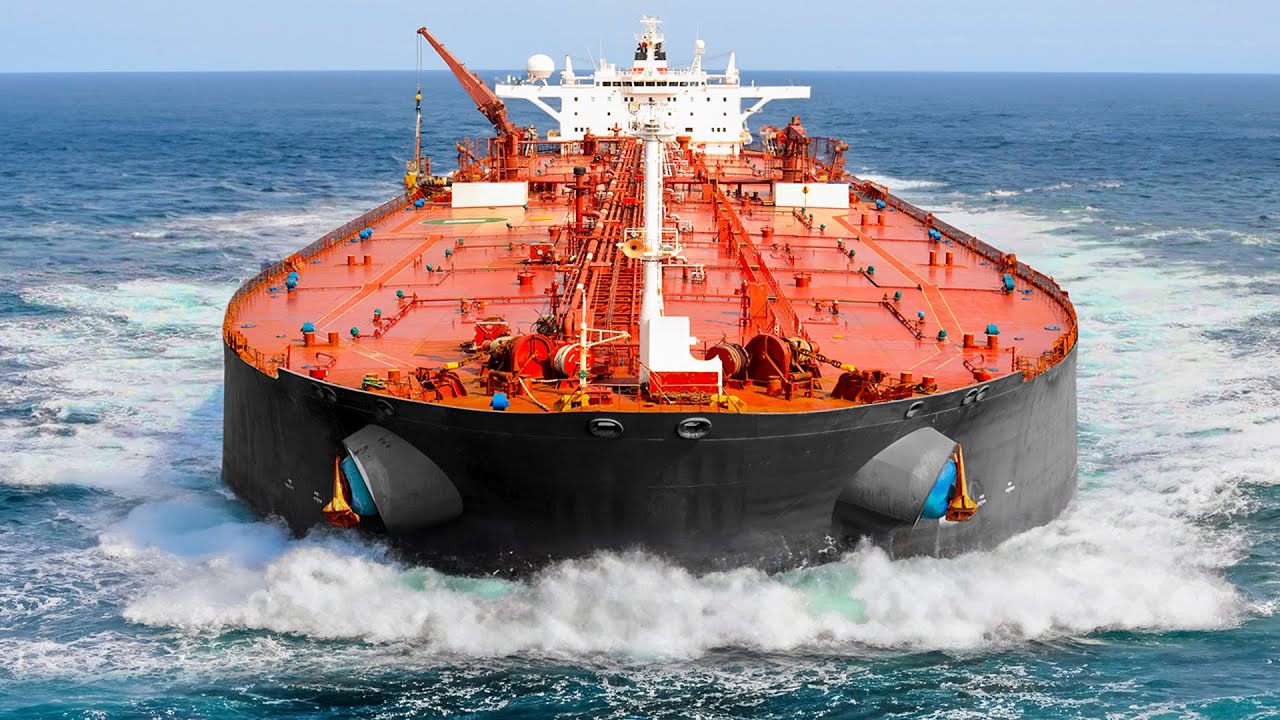
Crude oil tankers form the backbone of global energy transport. These specialised vessels carry millions of barrels of oil across the world’s oceans each day. The shipping industry classifies these tankers into distinct categories based on their deadweight tonnage (DWT). This system helps charterers, port operators and traders match the right vessel to specific trade routes and terminal capabilities.
Deadweight tonnage measures the total weight a ship can safely carry. This includes cargo, fuel, fresh water, ballast, crew and provisions. Understanding these vessel classes is essential for anyone working in maritime trade, energy logistics or port operations.
The Seven Classes of Crude Oil Tankers
| Vessel Class | DWT Range | Typical Cargo Capacity |
| ULCC | 320,000+ DWT | 2+ million barrels |
| VLCC | 200,000-319,999 DWT | 1.5-2 million barrels |
| Suezmax | 125,000-199,999 DWT | 700,000-1 million barrels |
| Aframax/LR2 | 85,000-124,999 DWT | 500,000-700,000 barrels |
| Panamax/LR1 | 55,000-84,999 DWT | 350,000-500,000 barrels |
| Medium Range (MR) | 40,000-54,999 DWT | 250,000-350,000 barrels |
| Handy/Short Range | 25,000-39,000 DWT | 150,000-250,000 barrels |
Ultra Large Crude Carriers (ULCC)
Ultra Large Crude Carriers represent the largest vessels in the tanker fleet. These giants measure 320,000 DWT and above. They can transport over two million barrels of crude oil in a single voyage. Few ports in the world can accommodate ULCCs due to their immense size and deep draft requirements.
ULCCs typically operate on long-haul routes between the Middle East and Asia or Europe. They often discharge cargo at offshore terminals or through ship-to-ship transfers. The economies of scale make these vessels highly cost-effective for bulk crude transport over vast distances.
Very Large Crude Carriers (VLCC)
Very Large Crude Carriers range from 200,000 to 319,999 DWT. They form the workhorse class of the global crude tanker fleet. VLCCs carry approximately 1.5 to 2 million barrels per voyage. These vessels dominate the trade routes from the Arabian Gulf to major consuming regions.
The VLCC fleet offers more flexibility than ULCCs. Many deep-water ports can handle these vessels. They serve key routes including the Middle East to China, the Atlantic Basin and routes around the Cape of Good Hope. Market analysts closely watch VLCC freight rates as a barometer for global oil demand.
Suezmax Tankers
Suezmax tankers get their name from the Suez Canal. These vessels range from 125,000 to 199,999 DWT. They represent the largest tankers that can transit the canal when fully laden. This capability makes them invaluable for moving crude between the Mediterranean and Red Sea regions.
Each Suezmax can carry roughly 700,000 to one million barrels of oil. They serve diverse trade routes including West Africa to Europe, the Black Sea to the Mediterranean and trans-Atlantic voyages. Their versatility makes them popular among charterers seeking medium-distance hauls.
Aframax and Long Range 2 (LR2) Tankers
Aframax tankers fall within the 85,000 to 124,999 DWT range. The name derives from the Average Freight Rate Assessment (AFRA) system used by oil companies. In the product tanker market, vessels of similar size are called Long Range 2 or LR2 tankers.
These vessels suit regional trades and ports with draft restrictions. They carry between 500,000 and 700,000 barrels. Common routes include the Caribbean to US Gulf, North Sea trades and intra-Asian movements. Aframax vessels can access a wider range of terminals than their larger counterparts.
Panamax and Long Range 1 (LR1) Tankers
Panamax tankers range from 55,000 to 84,999 DWT. Originally, this class was designed to fit through the old Panama Canal locks. The product tanker equivalent is known as Long Range 1 or LR1. These vessels bridge the gap between regional and long-haul trades.
With capacity for 350,000 to 500,000 barrels, Panamax tankers offer flexibility for varied cargo requirements. They work well for medium-volume crude shipments and can access most commercial ports worldwide. The expanded Panama Canal now allows larger vessels, but the Panamax designation remains a standard benchmark.
Medium Range (MR) Tankers
Medium Range tankers span 40,000 to 54,999 DWT. While primarily used for refined products like petrol, diesel and jet fuel, they can also carry crude oil. Each vessel holds approximately 250,000 to 350,000 barrels. MR tankers represent the most numerous class in the global tanker fleet.
Their modest size allows access to smaller ports and river terminals. MR tankers excel at short to medium voyages. They commonly serve coastal distribution, inter-regional product movements and bunkering supply chains. This class offers operators maximum scheduling flexibility.
Handy and Short Range Tankers
Handy tankers, also called Short Range tankers, measure between 25,000 and 39,000 DWT. They represent the smallest class in mainstream crude and product trades. These vessels carry 150,000 to 250,000 barrels. Their compact dimensions open doors to ports that larger tankers cannot enter.
Handy tankers serve niche markets and coastal distribution networks. They work well for supplying smaller refineries and industrial facilities. Many operators use them for spot market cargoes where larger vessels would be inefficient. Their agility and port accessibility make them essential for last-mile oil distribution.
Selecting the Right Vessel Class
Several factors determine which tanker class suits a particular trade. Cargo volume stands as the primary consideration. Charterers must also assess port restrictions at both loading and discharge terminals. Draft limitations, berth length and cargo handling equipment all play crucial roles.
Route characteristics matter equally. Canal passages may restrict vessel size. Voyage distance affects the economics of larger versus smaller tonnage. Market conditions influence spot versus term charter decisions. Experienced operators balance all these factors when selecting vessel classes for their crude oil logistics.
Conclusion
The tanker classification system provides a common language for the maritime industry. From massive ULCCs plying intercontinental routes to nimble Handy tankers serving coastal trades, each class fulfils a distinct role. Understanding these categories helps shipping professionals make informed decisions about vessel employment and cargo logistics.
As global energy patterns evolve, the tanker fleet continues to adapt. Environmental regulations drive investment in modern, fuel-efficient vessels across all classes. The fundamentals of tanker classification, however, remain constant. Size, capacity and operational flexibility will always determine how oil moves across the world’s oceans.
