
US Submarine Sinks Iranian Warship After Naval Exercise
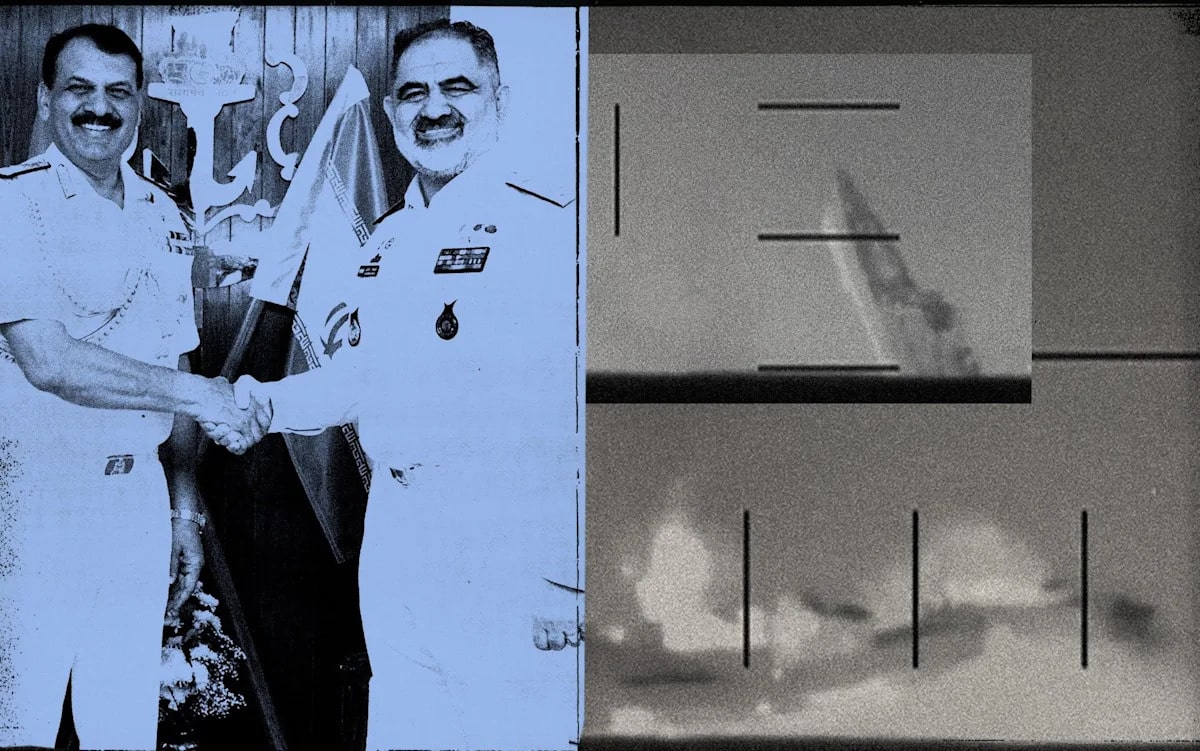
The recent sinking of the Iranian warship IRIS Dena by a US submarine has sparked outrage and concern in India, following a multilateral naval exercise that aimed to foster international cooperation. The attack, which occurred just two weeks after the exercise, resulted in the loss of 98 sailors, raising questions about the implications for regional security and diplomatic relations. As the incident unfolds, analysts are examining its impact on India’s strategic position and its relationship with both Iran and the United States.
Details of the Attack
On March 4, 2026, the IRIS Dena was struck by a Mark-48 torpedo launched from a US Navy submarine off the coast of Sri Lanka. The attack occurred at approximately 5:30 AM local time, and within minutes, the warship began to sink. Of the 130 crew members aboard, only 32 survived. The Indian Navy, alerted by an SOS from the Dena’s crew, quickly mobilized search and rescue operations, deploying aircraft and ships to assist. However, by the time they arrived, the focus shifted to locating survivors in the water.
The US submarine, which remains unidentified, did not participate in the rescue efforts, leading to accusations of violating the Second Geneva Convention, which mandates that warring parties take all possible measures to rescue survivors. This absence has fueled anger in India, where officials feel that the US has disrespected the hospitality extended to Iranian sailors during the Milan naval exercise. Former Indian foreign secretary Kanwal Sibal criticized the attack as a betrayal of the exercise’s spirit, emphasizing that the Dena was defenseless during the event.
As the news of the attack spread, Indian officials expressed their dismay at the implications for India’s strategic autonomy in the region. The incident has raised concerns about the safety of naval operations in the Indian Ocean and the potential for escalating tensions between the US and Iran, especially given the proximity of the attack to Indian waters.
Reactions and Implications
The sinking of the Dena has provoked a strong political response in India. Opposition leaders have accused Prime Minister Narendra Modi of failing to address the situation adequately, calling it a sign of strategic weakness in India’s foreign policy. Rahul Gandhi, a prominent opposition figure, criticized the government’s silence on the matter, arguing that it undermines India’s position as a regional power. Lawmaker Jairam Ramesh echoed these sentiments, highlighting the need for a decisive response from the Indian government.
In contrast, maritime experts in Sri Lanka have defended the US action, stating that the attack was legally justified as it occurred in international waters. They argue that the US had the right to target the Dena, given the ongoing conflict between the two nations. This perspective has added complexity to the narrative, as it highlights differing views on the legality and morality of military actions in international waters.
U.S Navy and Indian Naval Force Conduct Joint Exercise in the Indian Ocean
For Iran, the loss of the Dena represents a significant blow to its naval capabilities. The ship was a symbol of Iran’s military independence, built entirely with domestic technology. Iranian officials have condemned the attack as a cowardly act, emphasizing the tragic loss of life among young sailors who were participating in a training mission. The incident not only damages Iran’s naval reputation but also raises questions about its ability to protect its assets in a volatile geopolitical landscape.
As the situation develops, the ramifications of the sinking will likely resonate throughout the region, influencing diplomatic relations and security strategies. The incident serves as a stark reminder of the complexities of international military engagements and the delicate balance of power in the Indian Ocean.
