
USS Gerald R. Ford Fire Sparks Investigation
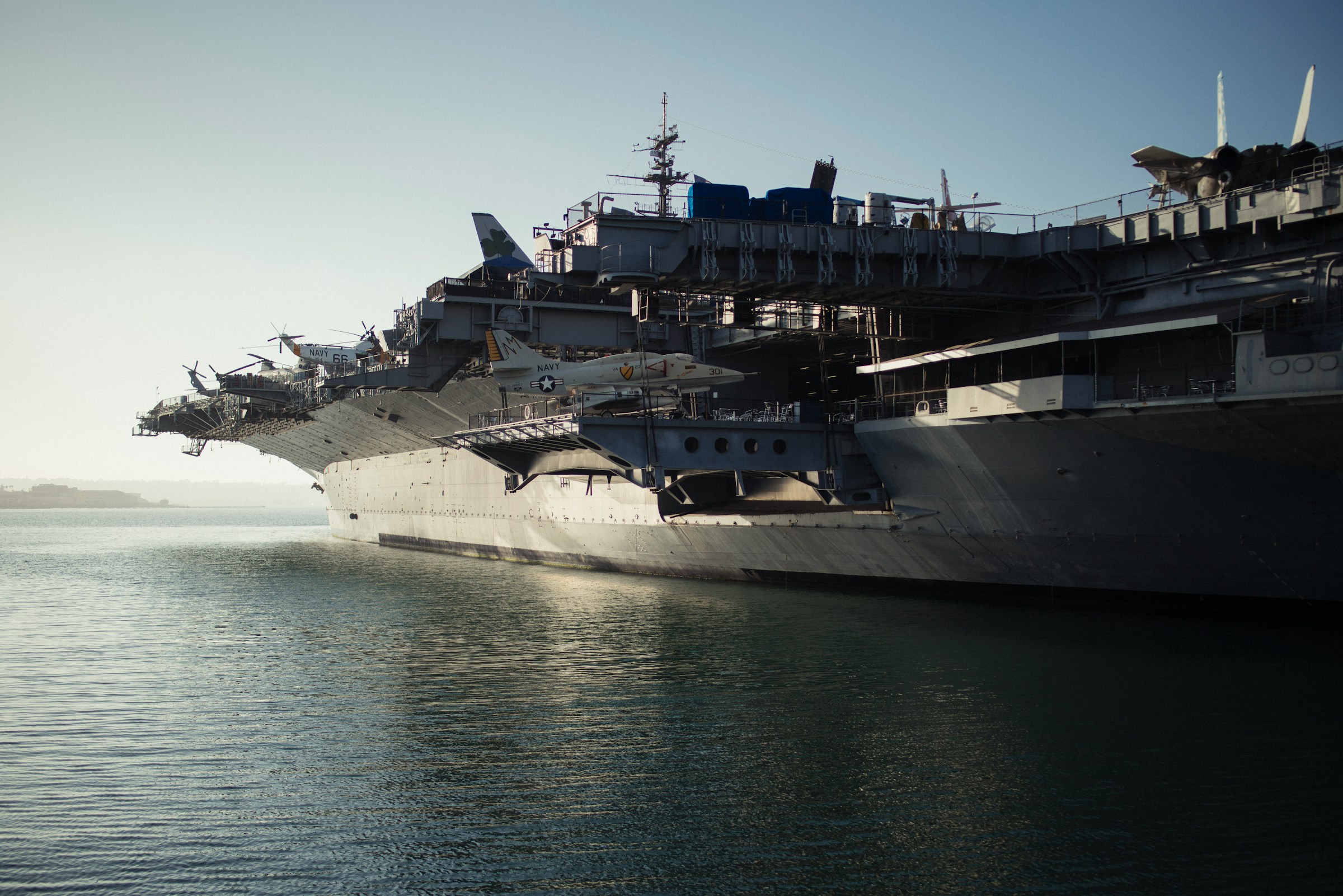
The U.S. Navy has launched a formal investigation into a fire that erupted aboard the USS Gerald R. Ford on March 12, 2026. The blaze, which took over 30 hours to extinguish, left more than 600 crew members without proper sleeping arrangements as the aircraft carrier makes its way to Greece after nearly 11 months at sea. Initial reports indicate that the fire may have been deliberately set, prompting inquiries into potential sabotage by sailors on board.
A Deployment Stretched Beyond Its Limits
The USS Gerald R. Ford departed from Norfolk for a scheduled deployment under U.S. European Command. However, the mission took a significant turn in October 2025 when Defense Secretary Pete Hegseth redirected the carrier to the Caribbean to support operations against Venezuela as part of Operation Southern Spear. Following the successful capture of Venezuelan leader Nicolás Maduro, the crew was informed in early February that they would return home by early March. Just hours later, orders changed again, sending the carrier to the Mediterranean and then to the Red Sea in support of the U.S.-Israeli conflict against Iran.
Vice Chief of Naval Operations Admiral James Kilby testified before the Senate Armed Services Committee that the Ford’s deployment is expected to reach 11 months, marking the longest continuous carrier deployment since the Vietnam War. The current record for post-Vietnam deployments is held by the USS Abraham Lincoln at 294 days. As of March 12, the Ford had been deployed for 262 days, and reports suggest that by early May, the deployment could extend to nearly 330 days, approaching wartime records set during the Gulf of Tonkin incident.
Chief of Naval Operations Admiral Daryl Caudle expressed concerns about the impact of extended deployments on sailors’ well-being. He stated, “I am a big non-fan of extensions,” emphasizing that prolonged deployments disrupt personal lives and planned events. Rear Admiral Paul Lanzilotta, commander of Carrier Strike Group 12, acknowledged the psychological toll on sailors, noting that fatigue accumulates and time away from home weighs heavily on them. A parent of a sailor aboard the Ford remarked on the crew’s exhaustion and declining morale following the fire incident.
The Fire, the Damage, and the Sabotage Theory
On March 12, 2026, a fire broke out in the Ford’s main laundry spaces while the carrier was operating in the Red Sea. The U.S. Naval Forces Central Command confirmed that two sailors sustained non-life-threatening injuries and that the ship remained “fully operational.” However, reports indicate that the damage was more severe than initially stated, with the fire spreading through ventilation systems and destroying sleeping quarters. Over 600 sailors were forced to sleep on floors and tables, and the Navy had to provide replacement mattresses from the future USS John F. Kennedy, which is still under construction. While three casualties were confirmed, many more crew members reportedly suffered from smoke inhalation.
The ongoing investigation includes a formal inquiry into the possibility of arson, with sources suggesting that some crew members may have intentionally started the fire to prompt a port call and end the extended deployment. Although the U.S. Navy has not officially confirmed this angle, it is being taken seriously by investigators. Iranian state media has also alleged that American servicemen started the fire to avoid further operations against Iran, but this claim should be approached with caution due to its origins from a state adversary.
The investigation into the fire occurs against a backdrop of systemic and human strain aboard the Ford. The ship has faced numerous issues, including a malfunctioning sewage system that has required frequent maintenance. Reports indicate that the Ford has called for outside assistance 42 times since 2023, with 32 of those calls occurring in 2025. An internal email revealed 205 system breakdowns in just four days, highlighting the challenges faced by the crew.
