
Iranian Navy Guides Indian Tanker Through Strait of Hormuz
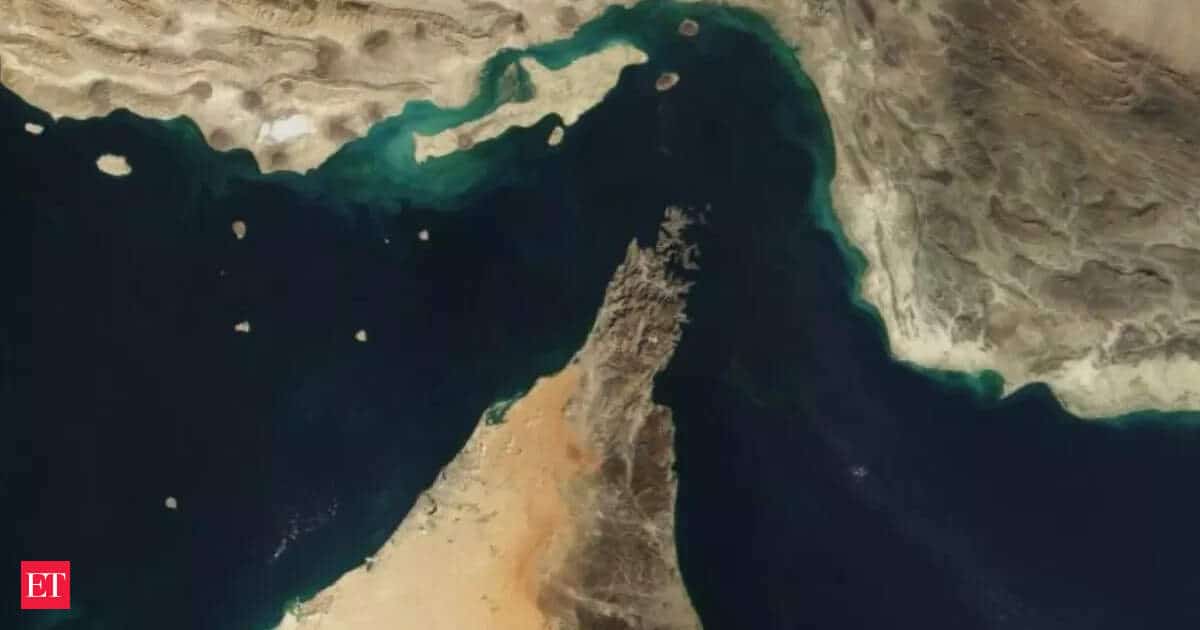
The Iranian Navy successfully escorted an Indian liquefied petroleum gas (LPG) tanker through the strategic Strait of Hormuz last week, following diplomatic negotiations initiated by New Delhi. A senior officer aboard the vessel, who requested anonymity, confirmed that the ship was allowed to navigate a pre-approved route, marking a significant development in maritime safety amid rising tensions in the region.
The officer reported that during the crossing, the Iranian Navy maintained radio communication with the tanker, collecting essential details such as the ship’s flag, name, origin, destination ports, and the nationality of the crew, all of whom were Indian. This incident aligns with analysts’ observations that Iran is attempting to establish a traffic control system in the strait, facilitating safe passage for vessels deemed friendly while creating apprehension for others. Martin Kelly, head of advisory at EOS Risk Group, noted that while select ships are permitted to transit, the arrangement primarily benefits Iran.
Heightened Risks and Strategic Importance of the Strait
The Strait of Hormuz is a critical maritime corridor, with approximately 20% of the world’s oil passing through it. Iran’s aggressive posture towards vessels traversing this waterway has raised concerns over global energy markets, contributing to increased oil prices and fears of shortages in essential commodities like natural gas and fertilizers. Since the onset of the conflict in late February, several ships have been targeted by missiles or drones in the strait, resulting in fatalities and soaring insurance costs. Reports have also emerged indicating that Iran has laid mines in the area, further complicating navigation.
Prior to their transit, the crew of the Indian LPG tanker had been anchored in the Persian Gulf for about ten days. On the morning of March 13, they received notification that they had been granted permission to cross that night. The vessel, along with others, navigated a narrow passage between the Iranian islands of Larak and Qeshm, closely following the Iranian coastline. The officer disclosed that the tanker operated with its automatic identification system (AIS) turned off during the crossing, only reactivating it after safely exiting into the Gulf of Oman. GPS functionality was also compromised due to widespread interference, prolonging the journey significantly.
On the opposite side of the strait, Indian Navy ships awaited the tanker, displaying the national flag prominently. After completing the transit, the vessel continued its journey back to India. Shipping data corroborated the officer’s account, confirming the ship’s start and end positions.
India’s External Affairs and Shipping Ministry did not respond to inquiries regarding the incident, nor did the Iranian embassy in India. Anil Trigunayat, a former Indian ambassador, remarked that India’s successful negotiation for safe passage highlights the potential for diplomatic engagement, suggesting that Iran is cautious about alienating key partners during this turbulent period.
