
Japan Unveils Long-Range Missiles to Counter Regional Threats
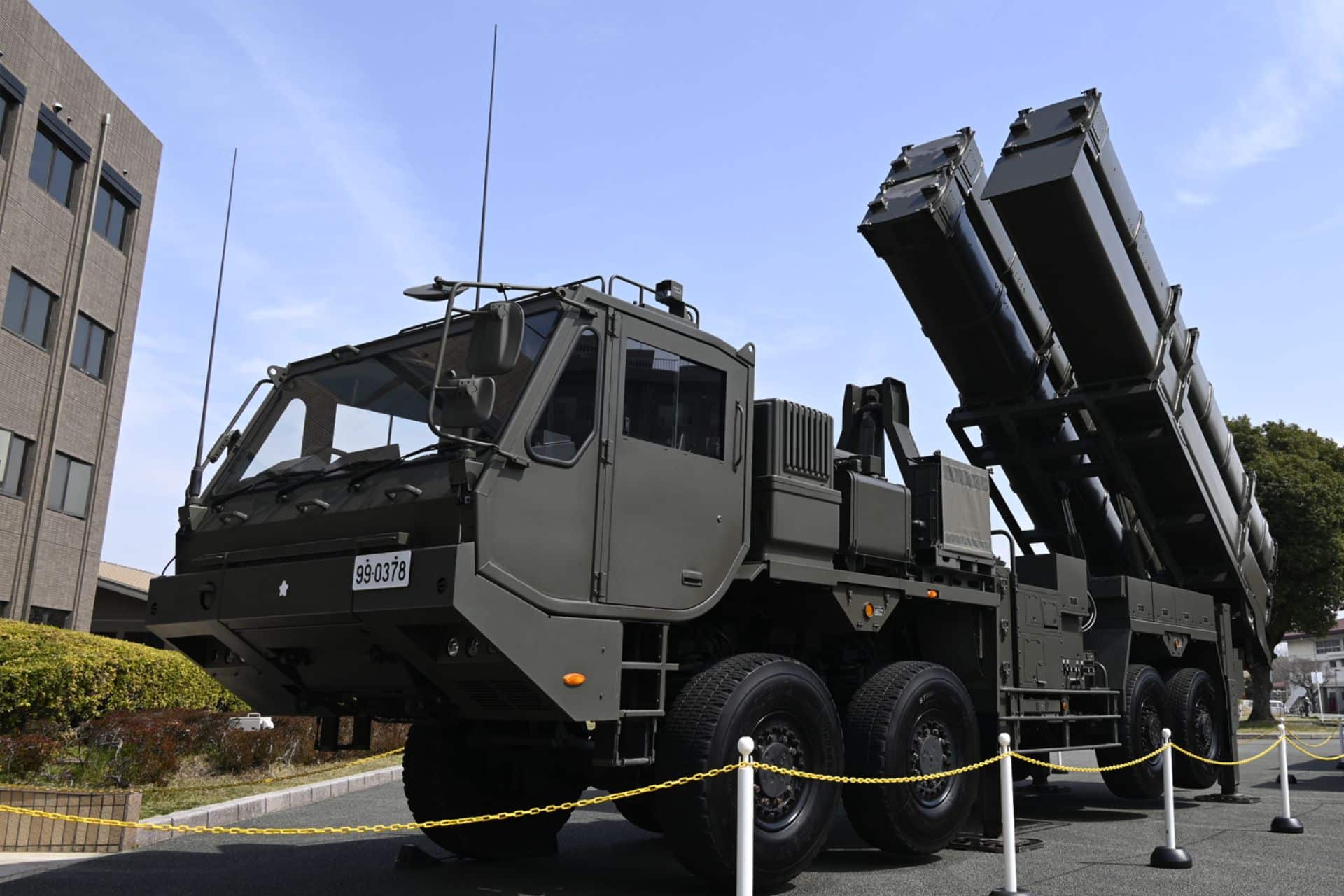
Japan has officially deployed its first domestically developed long-range standoff missiles, marking a significant shift in its defense strategy. This deployment operationalizes Tokyo’s counterstrike doctrine, enhancing its capability to address regional threats. The Japan Ground Self-Defense Force is now fielding the upgraded Type 12, now known as the Type 25 Surface to Ship Missile, along with the Type 25 Hyper Velocity Gliding Projectile (HVGP) across strategic locations, including the Nansei island chain.
Strategic Deployment of Advanced Missile Systems
The Type 25 missile systems are strategically positioned at Camp Kengun in Kumamoto Prefecture and Camp Fuji in Shizuoka Prefecture. This placement allows Japan to effectively monitor and engage critical maritime zones. The deployment signifies a notable evolution in Japan’s defense posture, transitioning from a reactive stance to a proactive capability that can target hostile forces from extended distances before they threaten national territory.
According to a statement from the Japan Ground Self-Defense Force released on March 31, 2026, both missile systems have completed their development phases and are now operational under their new designations. The upgraded Type 12 missile has been rebranded as the Type 25 Surface to Ship Missile, while the HVGP is now known as the Type 25 HVGP. This transition highlights Japan’s commitment to enhancing its military capabilities in response to a changing security landscape.
The Type 25 Surface to Ship Missile significantly extends its predecessor’s range from approximately 200 km to around 1,000 km. This enhancement allows Japanese ground forces to cover vast areas of the East China Sea and the maritime approaches near Taiwan. The missile’s advanced design includes a reduced radar signature for improved survivability against modern air defense systems. Its propulsion system features a compact turbofan engine optimized for low-altitude cruising, enabling long-duration flights while minimizing detection risks.
Guidance for the missile combines inertial navigation, satellite positioning, and terrain referencing, ensuring accurate targeting of moving maritime assets. Additionally, the missile can receive mid-course updates via network-enabled data links, integrating information from various surveillance sources. Each high mobility transporter erector launcher can carry eight missile canisters and execute rapid salvo launches, allowing for quick repositioning to evade counterstrikes.
Enhancing Deterrence Amid Regional Tensions
The Type 25 Hyper Velocity Gliding Projectile introduces a unique operational profile, launched with a rocket booster before entering a high-speed glide phase. This system can travel hundreds of kilometers at supersonic speeds while performing evasive maneuvers, making it difficult for conventional missile defense systems to intercept. Its capabilities are particularly suited for targeting high-value assets, such as command centers and amphibious assault groups.
The introduction of these missile systems is a cornerstone of Japan’s emerging counterstrike capability, as outlined in its 2022 National Security Strategy. This strategy allows Japan to strike enemy bases if an attack is imminent, adhering to strict constitutional guidelines. Defense officials assert that this capability is essential in light of increasing military activities by China in the East China Sea and North Korea’s advancing missile programs.
Japan’s deployment supports a distributed defense architecture across the Nansei island chain, enabling mobile missile units to monitor and engage targets across vital maritime routes. When integrated with airborne early warning aircraft and coastal surveillance systems, these missiles enhance the operational reach of Japan’s ground forces into maritime domains.
Looking ahead, Japan plans to expand its missile capabilities further. The Ministry of Defense aims to extend the HVGP’s range to 2,000 km in future iterations. Ship-launched and air-launched variants of the Type 25 missile are expected to be operational by fiscal year 2027, enhancing the capabilities of the Japan Maritime Self-Defense Force and the Japan Air Self-Defense Force. Additional acquisitions, including Tomahawk cruise missiles, will complement this evolving defense architecture.
However, the deployment raises domestic concerns, particularly regarding the potential exposure of hosting bases to retaliation. Local residents in areas like Kumamoto have expressed worries about the lack of public consultation. Logistical challenges also persist, including the need for ammunition storage facilities and secure command networks for sustained operations.
