
White House Seeks $65.8 Billion for Naval Expansion
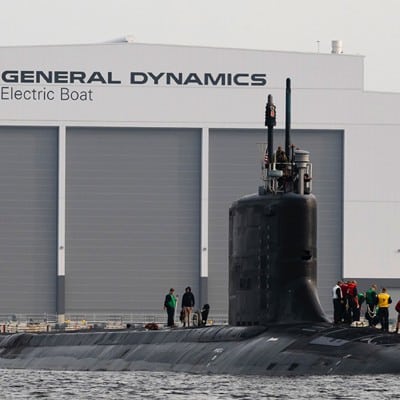
The Biden administration has proposed a significant increase in naval shipbuilding funding for fiscal year 2027, requesting nearly $65.8 billion, a substantial rise from the $45.1 billion allocated for the current fiscal year. If Congress approves this budget, it will finance the construction of 18 warships and 16 additional non-battle force vessels. This ambitious plan is part of a broader $1.5 trillion defense budget aimed at enhancing national security and military capabilities.
Details of the Shipbuilding Proposal
The proposed budget includes funding for a range of naval assets, with $5.6 billion earmarked from a reconciliation bill, marking the second consecutive year for such funding. The White House’s budget outlines plans for the creation of President Biden’s “Golden Fleet,” which will feature initial investments in the Trump-class battleship and next-generation frigates. Additionally, the proposal aims to bolster the capacity of public shipyards and improve overall ship production efficiency.
Among the key allocations, funding for Columbia-class submarines is set to increase significantly, rising to $15.2 billion from $9.3 billion in 2026. This funding will support the transition from the aging Ohio-class submarines. The budget also includes $28.4 billion for various other warships, including Virginia-class submarines, aircraft carriers, and destroyers, alongside $1.4 billion for the first next-generation frigate. The documents indicate that approximately $1.9 billion will be sourced from the reconciliation bill for these projects.
The proposal outlines a comprehensive approach to naval procurement, with $1 billion allocated for advanced procurement of the new battleship and additional funds designated for auxiliary ships and amphibious vessels. The White House budget summary emphasizes the importance of maintaining or increasing procurement levels across existing platforms, ensuring that the Navy can meet its operational goals.
Experts have noted that while the proposal is ambitious, it will require careful planning and execution to translate funding into actual production capacity. Mark Cancian, a budget expert, highlighted the need for a strategic industrial planning effort to ensure that the Navy can effectively increase its fleet size to meet its target of 350 battle force ships.
White House: Private sector steps up with new investments in U.S. maritime sector
Political Reactions and Future Implications
The proposed $1.5 trillion defense budget has elicited mixed reactions from lawmakers, reflecting the ongoing partisan divide over military spending. Republican leaders on the congressional defense committee have praised the proposal, asserting that it aligns with their long-standing goal of achieving a defense budget that constitutes 5% of the GDP. They argue that this funding will enhance national security and strengthen alliances.
Conversely, Democratic leaders have criticized the budget as excessive and lacking discipline. Senator Jack Reed, the ranking member of the Senate Armed Services Committee, described the request as “bloated” and emphasized the need for smart investments in technology and efficiency. He called for a focus on adapting to evolving threats and ensuring that military capabilities are both effective and economically viable.
As the budget proposal moves through Congress, its fate remains uncertain. Lawmakers will need to navigate differing priorities and perspectives on defense spending, making the upcoming discussions critical for the future of the U.S. Navy and its operational readiness.
