
Premium TVs ship with bargain-bin networking speeds, and it’s getting harder to
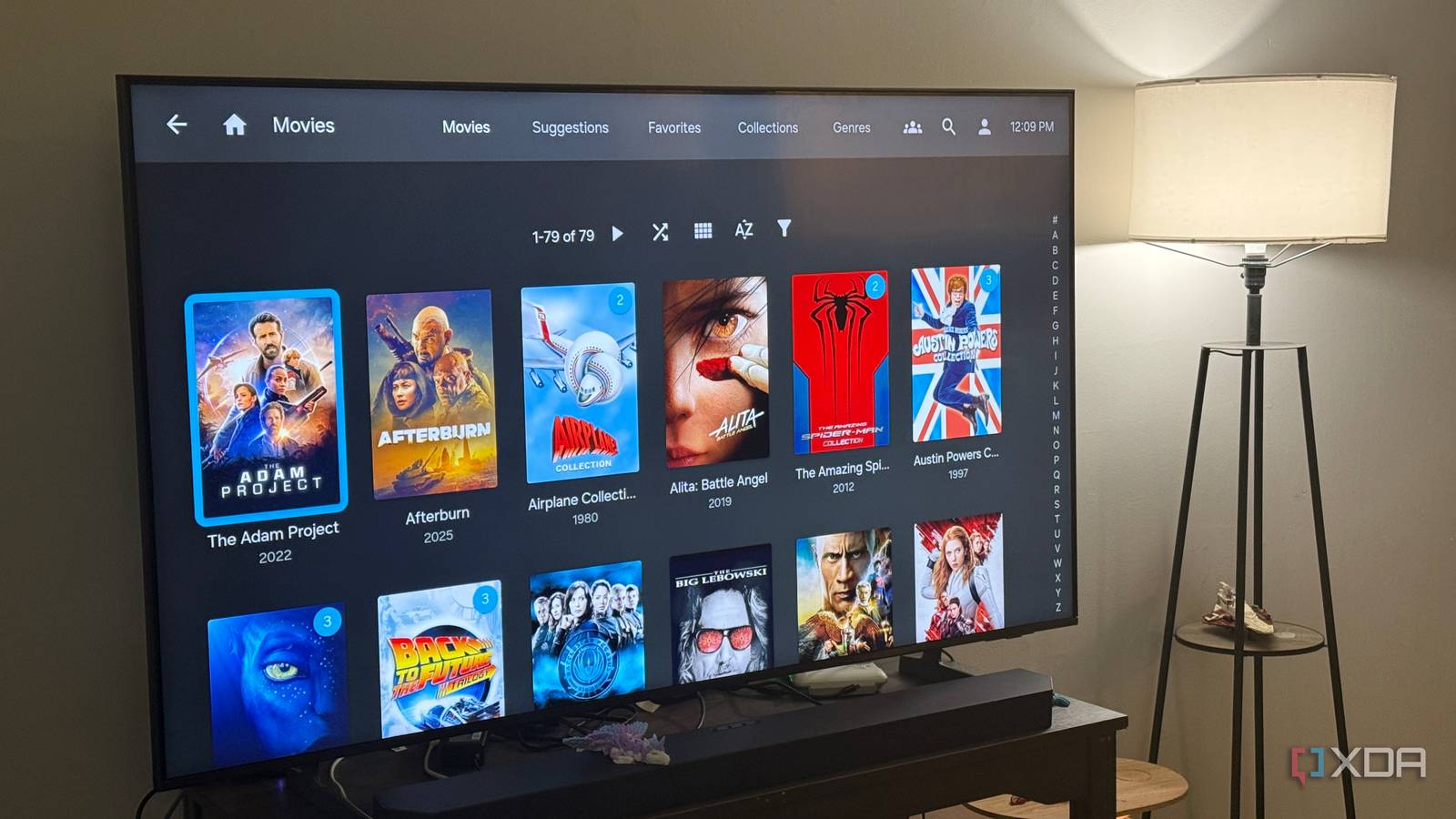
Smart TVs have evolved significantly, boasting advanced streaming capabilities and smart home integration. However, many models still come equipped with outdated 100Mbps Ethernet ports, which can hinder performance. As streaming quality rises and users demand more from their devices, the inadequacy of these ports becomes increasingly frustrating.
Smart TVs Outpace Their Wired Networking
Smart TVs today are far more than just screens for streaming services. They are central hubs for entertainment, capable of running sophisticated apps, processing high dynamic range (HDR) content, and connecting seamlessly with smart home devices. Despite these advancements, many smart TVs still feature 100Mbps Ethernet ports, which can feel inadequate in a world where high-quality streaming and local media access are becoming the norm.
While it’s true that 100Mbps is sufficient for most streaming services, this limitation becomes apparent when users attempt to stream high-bitrate content from local servers or network-attached storage. For instance, a full-quality 4K Blu-ray rip can exceed the capabilities of a 100Mbps connection, leading to buffering and interruptions. This disconnect between a TV’s impressive display capabilities and its underwhelming wired connection can be frustrating for users who expect a seamless viewing experience.
Moreover, as smart TVs are increasingly used for more than just streaming—such as gaming and accessing local media—having a robust wired connection is essential. The presence of a slow Ethernet port can undermine the overall performance of a premium TV, making it feel like a missed opportunity for manufacturers to provide a truly high-quality product.
Wi-Fi Shouldn’t Outperform Wired Connections
Modern Wi-Fi technology has made significant strides, with Wi-Fi 6 and Wi-Fi 6E setups often outperforming 100Mbps Ethernet connections under optimal conditions. However, relying on Wi-Fi introduces a host of variables that can affect performance, such as router placement, interference, and network congestion. In contrast, a wired Ethernet connection is designed to provide a stable and reliable experience, free from these potential disruptions.
For households with multiple devices competing for bandwidth—like gaming consoles, laptops, and smart home devices—having a dependable wired connection can alleviate network strain. Unfortunately, when the Ethernet port is capped at 100Mbps, it limits the potential benefits of a wired setup. Users may find themselves in a situation where they need to choose between a stable connection and the speed they require for high-quality streaming or gaming.
Manufacturers often argue that most consumers won’t notice the difference, as many users primarily stream from popular services that compress video content. However, this perspective overlooks the growing trend of local media consumption and the increasing demand for higher-quality streaming options. As smart TVs continue to evolve, the expectation for faster, more capable Ethernet ports should be a standard feature, especially in midrange and high-end models.
