
Lloyd’s Register launches industry-first framework for digital 3D model approval
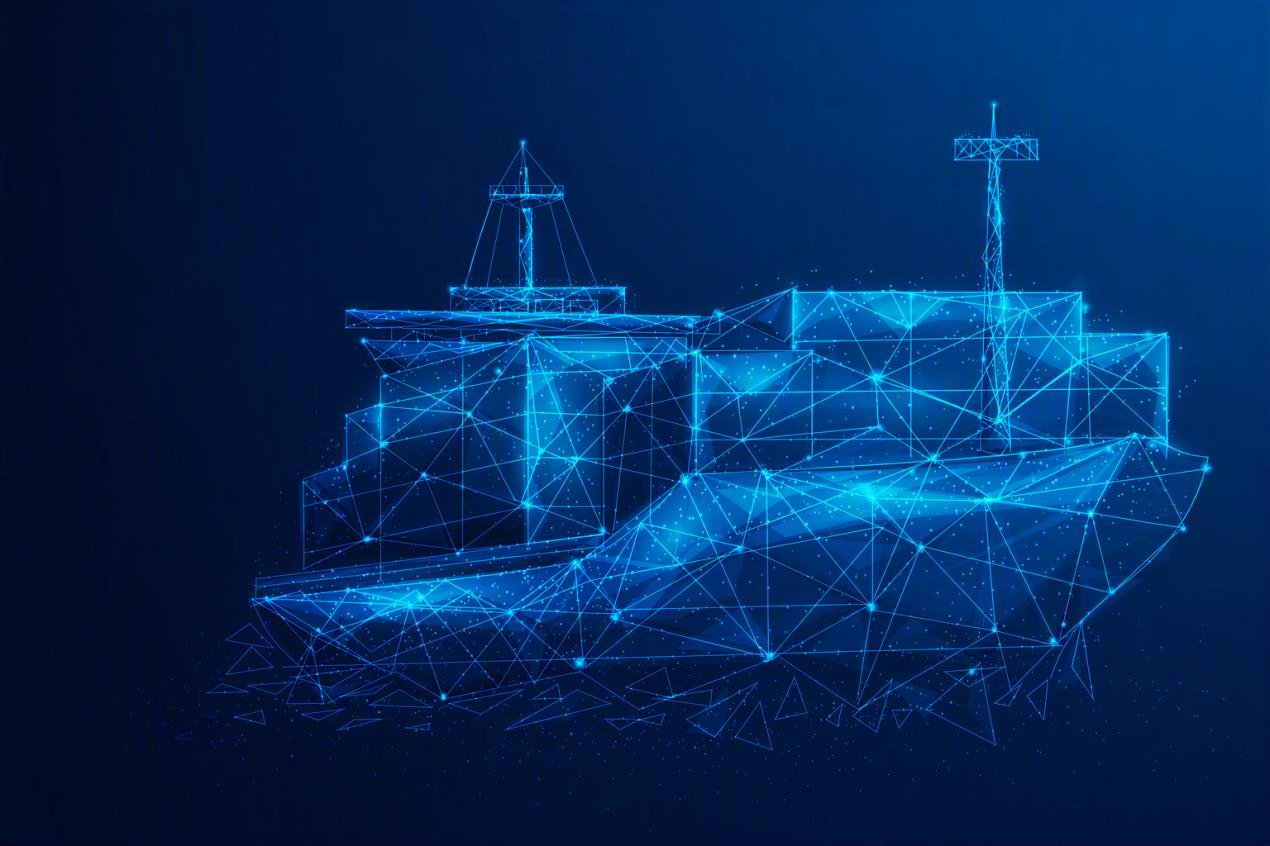
Lloyd’s Register (LR) has recently released groundbreaking guidance aimed at revolutionizing the maritime industry’s approach to ship design and review processes. The new LR-GN-066 Guidance Notes for Digital 3D Models represent a significant milestone in embracing digital-first methodologies within the classification approval process.
Digital 3D Models: A Game-Changer in Shipbuilding
In a bid to streamline and enhance the shipbuilding process, LR’s latest publication offers shipyards, designers, and owners a structured framework for utilizing intelligent 3D models as a substitute for traditional 2D plans during the initial stages of structural plan approval. This move underscores the industry’s shift towards digital design environments, where 3D models have emerged as the primary source of engineering information across various workflows, from design to manufacturing.
Bridging the Gap: Setting Standards for 3D Models in Classification Approval
While standards for 2D shipbuilding plans are well-established, guidance on the utilization of 3D models in classification approval has been lacking. LR’s Guidance Notes aim to bridge this gap by empowering clients to leverage the digital assets they already generate and maintain throughout a vessel’s lifecycle. The guidance outlines how 3D models can support the structural plan approval process, detailing key characteristics such models should possess, including file formats, model organization, metadata requirements, and revision control.
Furthermore, the Guidance Notes encourage the integration of existing 3D models into the approval process, eliminating the need to create additional digital assets solely for class review. This approach not only reduces duplication but also enhances consistency across design, production, and approval activities.
Embracing Innovation: A Step Towards Maritime Digitalization
LR’s Guidance Notes for Digital 3D Models pave the way for a more streamlined and efficient classification approval process, aligning with the industry’s ongoing digitalization efforts. The voluntary and non-prescriptive framework is designed to accommodate various software ecosystems, allowing for flexibility in adopting alternative methods and technologies that deliver equivalent or superior outcomes.
As maritime digitalization continues to evolve, LR remains committed to collaborating with industry stakeholders to explore and implement new digital approaches that enhance the approval process while upholding safety, quality, and compliance standards.
In conclusion, LR’s latest publication underscores the organization’s commitment to driving innovation and efficiency in the maritime industry. By providing clear guidance on the use of digital 3D models, LR aims to empower stakeholders to maximize the value of their digital assets and align classification activities with modern design and manufacturing practices. The Guidance Notes, available as LR-GN-066 Guidance Notes for Digital 3D Models, July 2026, can be accessed through Regs4ships, marking a significant leap towards a digital-first future in ship design and review processes.
