
Why Japan’s Industry is Pulling Back from the U.S. Navy Frigate Plan
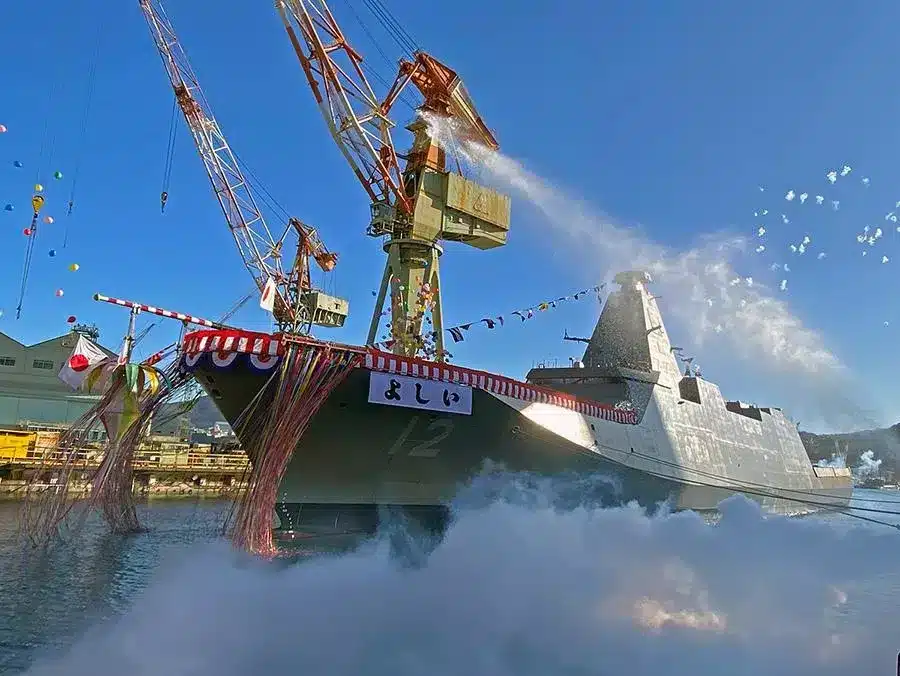
Japanese defense industry stakeholders are showing reluctance towards a possible U.S. Navy frigate deal due to significant investment demands and existing domestic naval obligations. The U.S. Navy is contemplating the acquisition of frigates from Japan, South Korea, and Türkiye, as reported by USNI News on September 1. However, the enthusiasm for this prospect in Japan is notably subdued.
The “Finland Model” and Concerns Over U.S. Investment
One of the primary reasons for this hesitancy is the anticipated adoption of the “Finland model” in the U.S. frigate acquisition program. Under this model, initial construction of the first two hulls would occur at a foreign shipyard, followed by foreign investment in U.S. shipbuilding facilities and infrastructure. This approach mirrors the strategy employed for the U.S. Coast Guard’s Arctic Security Cutter program, raising several apprehensions within the Japanese industry.
Structural Realities of the U.S. Industrial Base
The challenges facing the U.S. shipbuilding industry are multifaceted and deeply rooted in structural deficiencies. The erosion of industrial capabilities post-Cold War, shortage of skilled labor, aging infrastructure, and fragile supply chains pose significant obstacles. A report by the Center for Strategic and International Studies (CSIS) highlighted the need for foreign investment, modernization of facilities, and adoption of advanced shipbuilding technologies to address these challenges.
Domestic Pipeline Pressures for Mitsubishi Heavy Industries
Mitsubishi Heavy Industries (MHI) faces a dilemma concerning potential commitment to the U.S. frigate program, given its existing obligations towards the Japan Maritime Self-Defense Force (JMSDF) and the export of frigates to Australia. Limited spare capacity for additional support to the U.S. due to these commitments has created a cautious atmosphere among Japanese stakeholders.
In conclusion, while the Japanese FFM design may be appealing for U.S. Navy cooperation, the complex industrial realities raise doubts about Japan’s ability to meet the demands of both domestic and international shipbuilding requirements. Ultimately, the decision hinges on whether Japanese industry can sustain the resources necessary to contribute to the U.S. naval shipbuilding industrial base.
