
Iran Moves to Regulate Strait of Hormuz Traffic
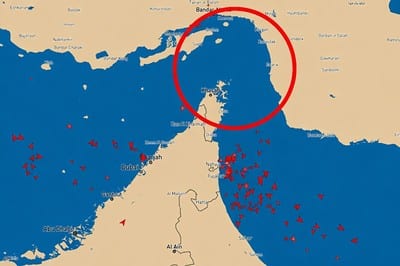
TEHRAN, April 19: A senior Iranian lawmaker has announced that a draft bill aimed at regulating traffic through the strategic Strait of Hormuz is nearing completion. The proposed legislation includes significant restrictions on certain vessels and introduces new transit rules that could reshape maritime operations in the region. This move comes amid rising tensions and could have far-reaching implications for global shipping and oil markets.
New Restrictions and Transit Fees Proposed
Mohammad Rezaei-Kouchi, the head of the Iranian parliament’s construction committee, revealed that the draft legislation would impose a ban on ships and cargoes associated with Israel. Additionally, it would restrict passage for countries that Iran considers hostile. Rezaei-Kouchi emphasized that the comprehensive law is designed to manage the Strait of Hormuz effectively and is expected to be finalized soon.
Under the proposed rules, nations classified as hostile would need approval from Iran’s Supreme National Security Council to transit the waterway. Furthermore, countries that have caused damage to Iran during recent conflicts would be barred from passage until they provide compensation. This aspect of the legislation underscores Iran’s intent to leverage its control over the strait in response to perceived threats.
In a significant financial move, vessels using the strait would be required to pay transit fees in Iranian rials. The revenue generated from these fees would be allocated in a manner that benefits both the armed forces and public welfare, with 30% directed to military funding and 70% earmarked for community projects. This financial structure aims to bolster Iran’s defense capabilities while also addressing domestic needs.
Urgent Call to Regulate Black Carbon Emissions in the Arctic
Implications for Global Shipping
The Strait of Hormuz is a vital artery for global energy transport, with a substantial portion of the world’s oil passing through its waters. Any changes to its governance could have profound implications for international shipping routes and oil prices. As Iran moves forward with this legislation, the potential for increased tensions in the region rises, prompting concerns among global stakeholders about the stability of this critical maritime corridor.
With the draft bill nearing completion, the international community is closely monitoring developments. The outcome of this legislation could redefine maritime operations in the Strait of Hormuz and influence geopolitical dynamics in the region. As Iran asserts its authority over this key waterway, the implications for global trade and energy security remain to be seen.
